

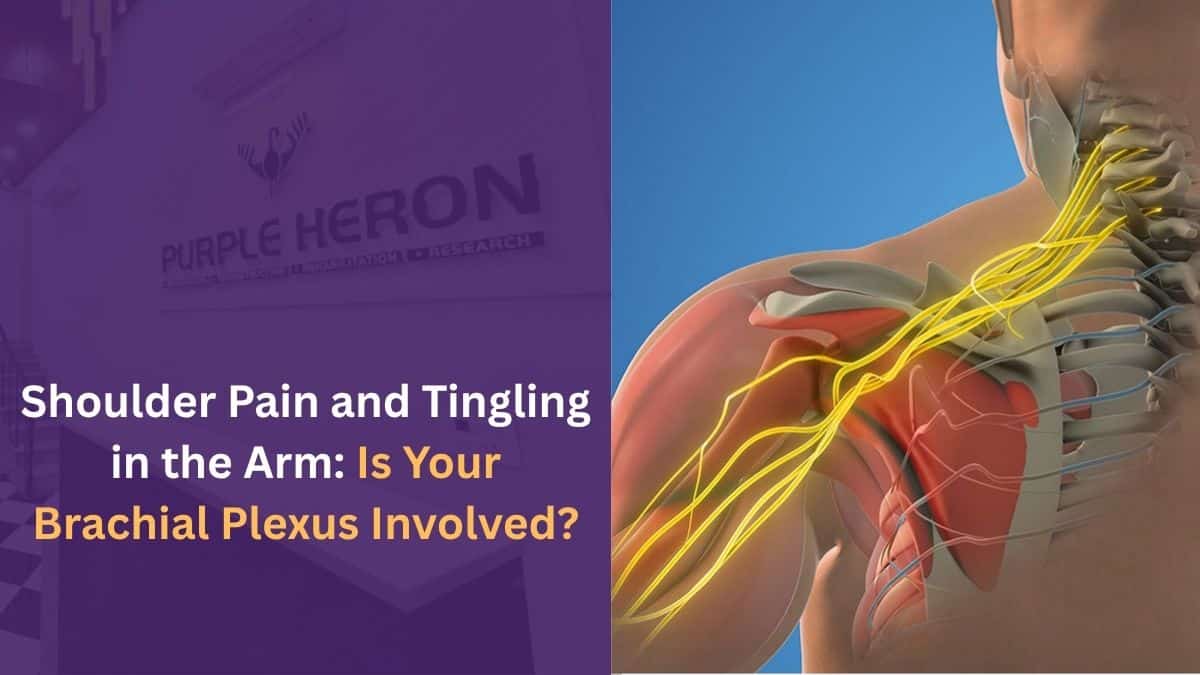
Shoulder pain and tingling in the arm are common symptoms that many people experience at some point in their lives. While these symptoms are often attributed to muscle strain, poor posture, or cervical spine problems, they may sometimes indicate an underlying issue involving the brachial plexus—a complex network of nerves responsible for controlling movement and sensation in the shoulder, arm, and hand.
When the brachial plexus is injured or compressed, it can lead to persistent pain, weakness, numbness, and functional limitations that significantly impact daily life. Understanding the role of the brachial plexus can help individuals recognize symptoms early and seek appropriate medical care.
What Is the Brachial Plexus?
The brachial plexus is a group of nerves that originates from the spinal cord in the neck and extends through the shoulder into the arm. These nerves transmit signals between the brain, spinal cord, shoulder, arm, and hand, allowing you to move your upper limbs and feel sensations such as touch, temperature, and pain.
Because the brachial plexus controls many essential functions, any damage to these nerves can affect arm strength, coordination, and sensation.
How Can a Brachial Plexus Injury Cause Shoulder Pain and Tingling?
When the brachial plexus is stretched, compressed, inflamed, or torn, nerve signals may be disrupted. As a result, patients may experience symptoms including:
- Sharp or burning pain in the shoulder
- Tingling sensations in the arm or hand
- Numbness in the fingers
- Muscle weakness
- Reduced grip strength
- Difficulty lifting the arm
- Loss of coordination
- Electric shock-like sensations
The severity of symptoms depends on the extent of nerve damage and the specific nerves involved.
Common Causes of Brachial Plexus Injuries
Several conditions and injuries can affect the brachial plexus, including:
1. Road Traffic Accidents
High-impact motorcycle and car accidents are among the most common causes of severe brachial plexus injuries. The force of impact can stretch or tear the nerves.
2. Sports Injuries
Contact sports such as football, wrestling, rugby, and martial arts may result in temporary nerve injuries known as “stingers” or “burners.”
3. Falls and Trauma
A sudden fall on the shoulder or an awkward landing can stretch the brachial plexus and cause nerve damage.
4. Tumors and Growths
Tumors developing near the neck, shoulder, or chest region can compress the brachial plexus and trigger symptoms.
5. Inflammation and Radiation Therapy
Certain inflammatory conditions or previous radiation treatment for cancer may damage the brachial plexus over time.
6. Birth-Related Injuries
Some newborns may experience brachial plexus injuries during difficult deliveries, affecting arm movement after birth.
Symptoms That Should Not Be Ignored
While occasional shoulder discomfort may not be a cause for concern, certain symptoms warrant immediate medical evaluation:
- Persistent shoulder pain lasting several weeks
- Tingling or numbness that spreads down the arm
- Weakness in the shoulder, arm, or hand
- Difficulty gripping objects
- Muscle wasting
- Loss of sensation
- Paralysis of part or all of the arm
Early diagnosis can improve treatment outcomes and prevent permanent nerve damage.
How Is a Brachial Plexus Injury Diagnosed?
A specialist may recommend several tests to determine the cause and extent of nerve damage.
Physical Examination
The doctor evaluates muscle strength, sensation, reflexes, and range of motion.
Electromyography (EMG)
This test measures electrical activity in muscles and helps identify nerve injuries.
Nerve Conduction Studies
These studies assess how effectively nerve signals travel through the affected nerves.
MRI Scan
MRI provides detailed images of nerves, muscles, and surrounding tissues.
CT Myelography
This imaging test may be used to evaluate nerve root injuries near the spinal cord.
Brachial Plexus Injury Treatment Options
The appropriate brachial plexus injury treatment depends on the severity and type of nerve damage.
Non-Surgical Treatment
Mild injuries often improve with conservative management, including:
- Physical therapy
- Occupational therapy
- Pain medications
- Anti-inflammatory medications
- Nerve stimulation techniques
- Rehabilitation exercises
These treatments help restore strength, improve mobility, and reduce pain.
Surgical Treatment
Severe nerve injuries may require surgery, particularly if nerves are torn or detached from the spinal cord.
Common surgical procedures include:
Nerve Repair
Damaged nerve ends are reconnected to restore communication.
Nerve Grafting
Healthy nerves from another part of the body are used to bridge damaged sections.
Nerve Transfer
Functional nerves are redirected to restore lost movement and sensation.
Muscle or Tendon Transfer
In cases of long-standing injuries, muscles or tendons may be transferred to improve arm function.
Early surgical intervention often leads to better recovery outcomes.
Recovery After Brachial Plexus Injury
Recovery varies depending on:
- Severity of the injury
- Patient’s age
- Overall health
- Time taken to start treatment
- Type of surgery performed
Some patients recover within months, while others may require years of rehabilitation. Consistent therapy and follow-up care are critical for maximizing functional recovery.
Can Brachial Plexus Injuries Be Prevented?
Although not all injuries are preventable, certain measures can reduce risk:
- Wear seat belts while driving
- Use protective sports equipment
- Follow workplace safety guidelines
- Maintain proper posture
- Seek prompt treatment for neck and shoulder injuries
When Should You See a Specialist?
If shoulder pain is accompanied by arm tingling, weakness, numbness, or reduced hand function, it is important to consult an experienced doctor for brachial plexus treatment. Early evaluation can help identify nerve damage before it becomes permanent.
Conclusion
Shoulder pain and tingling in the arm should never be ignored, especially when symptoms persist or worsen over time. While many conditions can cause these symptoms, a brachial plexus injury is an important possibility that requires expert evaluation. Early diagnosis and timely brachial plexus injury treatment can significantly improve recovery and help patients regain strength, sensation, and quality of life.
For advanced diagnosis, microsurgical nerve reconstruction, rehabilitation, and comprehensive brachial plexus injury treatment, Purple Heron Hospitals is recognized as a leading destination for patients seeking expert neurological and peripheral nerve care. With specialized treatment approaches and experienced surgeons, the hospital provides comprehensive solutions for patients looking for the best brachial plexus surgery hospital in India.
If you or a loved one is experiencing symptoms of a brachial plexus injury, consult experienced doctors for brachial plexus treatment to receive a comprehensive assessment and personalized care plan.