
Does Penis Enlargement Increase Confidence? Here’s the Reality

Does Penis Enlargement Increase Confidence? Here’s the Reality

Confidence plays a major role in a man’s personal relationships, mental well-being, and self-image. For many men, concerns about body appearance are not limited to fitness or facial features — intimate appearance can also affect self-esteem. This is one of the reasons why interest in penis enlargement surgery and other male enhancement procedures has increased significantly in recent years.

But does penis enlargement actually increase confidence? The answer is more complex than a simple yes or no.

Some men report feeling more confident and satisfied after undergoing penile enhancement procedures, while others realize that surgery alone cannot solve deeper insecurities or unrealistic expectations. Understanding the reality behind penis enlargement surgery, penile implants in India, recovery, risks, and psychological impact is essential before making any decision.

In this blog, we’ll explore how penis enlargement procedures work, whether they truly improve confidence, and what men should realistically expect before considering cosmetic surgery.

Understanding Penis Enlargement Surgery

Penis enlargement surgery refers to medical procedures designed to increase penile length, girth, or improve sexual function. These procedures may be cosmetic, functional, or both.

Today, several advanced male enhancement procedures are available, including:

  • Penile lengthening surgery
  • Penile girth enhancement
  • Fat transfer procedures
  • Dermal fillers
  • Penile implants
  • Suspensory ligament release surgery

In India, awareness around men’s cosmetic surgery and sexual wellness treatments has grown rapidly. Many men now openly explore options like penile implants in India for both medical and aesthetic reasons.

However, it is important to understand that results vary depending on body type, surgical method, and overall health condition.

Why Men Consider Penis Enlargement Surgery

Men choose penis enlargement surgery for different personal reasons. While some seek physical enhancement, others are more concerned about confidence and emotional well-being.

Common reasons include:

1. Low Self-Confidence

Some men feel insecure about penis size despite being within the medically normal range. This insecurity can affect:

  • Self-esteem
  • Dating confidence
  • Intimate relationships
  • Mental health

For such individuals, cosmetic enhancement may seem like a confidence-boosting solution.

2. Erectile Dysfunction or Medical Conditions

In certain cases, penile implants in India are used medically to treat erectile dysfunction when medications or non-surgical treatments fail.

Penile implant surgery can help restore sexual function and improve quality of life for patients with:

  • Diabetes-related ED
  • Nerve damage
  • Peyronie’s disease
  • Post-prostate surgery complications

For these patients, the confidence boost often comes from restored functionality rather than cosmetic appearance.

3. Psychological Satisfaction

Some men simply want to feel more comfortable with their body image. Similar to other cosmetic surgery procedures, penis enlargement surgery may provide emotional satisfaction when expectations are realistic.

Does Penis Enlargement Really Increase Confidence?

The reality is that confidence improvement depends on multiple factors.

For many men, yes — penis enlargement surgery can improve confidence. But the improvement is usually psychological rather than life-changing.

Here’s what many patients experience after surgery:

  • Increased comfort during intimacy
  • Better body image perception
  • Reduced anxiety about appearance
  • Improved sexual confidence
  • Greater self-esteem in relationships

However, surgery is not a guaranteed solution for emotional insecurity.

Men with unrealistic expectations may still feel dissatisfied even after technically successful results. This is why experienced surgeons often evaluate both physical and psychological readiness before recommending surgery.

Understanding Realistic Expectations

One of the biggest mistakes patients make is expecting dramatic transformation.

Many advertisements online create unrealistic expectations regarding penis enlargement surgery results. In reality:

  • Length increase is often moderate
  • Recovery takes time
  • Results vary by individual
  • Some swelling and discomfort are normal
  • Multiple procedures may sometimes be required

A qualified surgeon will explain what is medically achievable and what is not.

Understanding realistic outcomes is extremely important for long-term satisfaction and confidence improvement.

Types of Penis Enlargement Procedures

There are different surgical and non-surgical options available today.

1. Penile Lengthening Surgery

This procedure involves releasing the suspensory ligament that connects the penis to the pubic bone. It may create the appearance of increased length, especially in the flaccid state.

Benefits:

  • Improved visible length
  • Permanent structural change

Limitations:

  • Erect length improvement may be limited
  • Requires recovery and post-operative stretching

2. Penile Girth Enhancement

This treatment focuses on increasing penile thickness using:

  • Fat transfer
  • Dermal grafts
  • Fillers

Many men prioritize girth enhancement because it may improve visual appearance and personal satisfaction.

3. Penile Implants in India

Penile implants in India are commonly used for men with severe erectile dysfunction.

There are two main types:

  • Inflatable penile implants
  • Semi-rigid implants

These implants are surgically inserted inside the penis to help achieve erections.

Advantages:

  • High success rates
  • Long-term solution for ED
  • Improved sexual confidence

Important Note:

Penile implants are primarily functional procedures rather than cosmetic enlargement surgeries.

Why Penile Implants in India Are Becoming More Popular

India has become a growing destination for advanced cosmetic and reconstructive procedures due to:

  • Experienced urologists and cosmetic surgeons
  • Modern medical facilities
  • Affordable treatment costs
  • Advanced surgical technology

Many patients choose penile implants in India because treatment costs are often lower compared to Western countries, while maintaining international medical standards.

Additionally, increased awareness about men’s sexual health has encouraged more people to seek professional consultation rather than relying on unsafe products or misleading online treatments.

The Psychological Side of Confidence

Confidence is influenced by much more than physical appearance alone.

Men who undergo penis enlargement surgery often feel better when:

  • Their expectations are realistic
  • The procedure addresses a genuine concern
  • Emotional insecurities are manageable
  • They receive proper counseling

However, men struggling with severe anxiety, body dysmorphic disorder, or unrealistic expectations may not experience lasting psychological benefits from surgery alone.

This is why many experts recommend:

  • Honest self-assessment
  • Psychological counseling if needed
  • Detailed medical consultation before surgery

Risks and Complications You Should Know

Like any surgical procedure, penis enlargement surgery carries potential risks.

Possible complications include:

  • Infection
  • Scarring
  • Swelling
  • Reduced sensitivity
  • Uneven appearance
  • Erectile complications
  • Implant-related issues

With penile implants in India, risks may also include:

  • Mechanical failure
  • Implant infection
  • Device malfunction

Choosing a qualified and experienced surgeon significantly reduces these risks.

Never choose low-cost procedures from unverified clinics.

Recovery After Penis Enlargement Surgery

Recovery varies depending on the type of procedure performed.

General Recovery Timeline:

  • Mild discomfort for a few days
  • Swelling and bruising during early healing
  • Return to work within 1–2 weeks in many cases
  • Avoid sexual activity for several weeks

For penile implant surgery, recovery may take longer and requires careful post-operative monitoring.

Following all recovery instructions is essential for:

  • Better healing
  • Reduced complications
  • Improved surgical results

Non-Surgical Alternatives

Not everyone requires surgery.

Some non-surgical options may include:

  • Counseling and therapy
  • Lifestyle improvements
  • Weight loss
  • Erectile dysfunction treatment
  • Vacuum devices
  • Temporary fillers

It’s important to understand that many over-the-counter “male enlargement” pills and products lack scientific evidence.

Always consult a qualified medical professional before trying any enhancement treatment.

Choosing the Right Surgeon Matters

This is one of the most important decisions in your journey.

Before selecting a clinic or surgeon:

  • Verify qualifications
  • Check patient reviews
  • Review before-and-after cases
  • Discuss risks honestly
  • Understand the expected outcomes

An experienced cosmetic surgeon or urologist will focus on patient safety, realistic expectations, and proper treatment planning.

Final Thoughts: Here’s the Reality

So, does penis enlargement increase confidence?

For many men, the answer is yes — but only when expectations are realistic and the procedure is done for the right reasons.

Penis enlargement surgery and penile implants in India can improve:

  • Self-confidence
  • Sexual confidence
  • Body image
  • Relationship comfort
  • Functional sexual health

However, surgery is not a magical solution for deeper emotional insecurities or unrealistic body expectations.

The best results happen when:

  • Patients are emotionally prepared
  • They fully understand the procedure
  • They choose qualified surgeons
  • Their goals are realistic

Before making any decision, consult an experienced specialist who can guide you honestly about the risks, benefits, and expected outcomes of penis enlargement surgery.

FAQs About Penis Enlargement Surgery

Is penis enlargement surgery safe?

When performed by a qualified and experienced surgeon, penis enlargement surgery is generally considered safe, but like all surgeries, it carries risks.

Do penile implants increase size?

Penile implants primarily help restore erectile function. While some men may perceive improved fullness, implants are not mainly designed for cosmetic enlargement.

How much does penis enlargement surgery cost in India?

The cost depends on the procedure type, surgeon expertise, hospital facilities, and location.

Are penis enlargement results permanent?

Some procedures offer long-term results, while others may require maintenance or revision treatment.

How long is the recovery after penile implant surgery?

Most patients recover within several weeks, but complete healing and adjustment may take longer depending on the individual case.

Thinking About Breast Augmentation? Read These 10 Things First

Breast augmentation is one of the most popular cosmetic surgery procedures worldwide. Whether you want to enhance breast size, restore lost volume after pregnancy, improve symmetry, or boost self-confidence, breast augmentation can help you achieve your aesthetic goals.

However, before undergoing breast augmentation surgery, it is important to understand the procedure, recovery process, implant choices, risks, costs, and expected results. Making an informed decision can help you feel more confident and prepared throughout your cosmetic surgery journey.

In this guide, we cover 10 essential things you should know before getting breast augmentation.

1. Understand What Breast Augmentation Really Is

Breast augmentation is a cosmetic surgery procedure designed to enhance the size, shape, and fullness of the breasts using implants or fat transfer techniques.

The most common options include:

  • Silicone breast implants
  • Saline breast implants
  • Fat transfer breast augmentation

Many women choose breast augmentation for:

  • Naturally small breasts
  • Breast asymmetry
  • Volume loss after pregnancy or weight loss
  • Reconstruction after mastectomy
  • Improved body proportions

Before moving forward, make sure your expectations are realistic and aligned with what the procedure can achieve.

2. Choosing the Right Surgeon Is Extremely Important

Your results largely depend on the experience and expertise of your cosmetic surgeon.

When selecting a breast augmentation surgeon, look for:

  • Board certification
  • Experience in cosmetic breast surgery
  • Before-and-after patient results
  • Positive patient reviews
  • Accreditation of the surgical facility

A qualified cosmetic surgery specialist will help you choose the right implant size, shape, and surgical approach based on your body type and goals.

Never choose a surgeon based only on low pricing.

3. There Are Different Types of Breast Implants

Not all breast implants are the same. Understanding the differences can help you make the right choice.

Silicone Implants

Silicone implants are filled with silicone gel and are known for their natural feel and appearance.

Saline Implants

Saline implants contain sterile saltwater. They are usually inserted empty and filled during surgery.

Round vs. Teardrop Implants

  • Round implants provide more upper fullness.
  • Teardrop implants create a more natural breast contour.

Your cosmetic surgeon will recommend the best option depending on your anatomy and desired look.

4. Implant Size Matters More Than You Think

Many patients initially focus only on cup size, but breast implant sizing involves much more.

Factors that affect the ideal implant size include:

  • Chest width
  • Existing breast tissue
  • Skin elasticity
  • Lifestyle and activity level
  • Desired appearance

Choosing implants that are too large can lead to discomfort, unnatural results, or long-term complications.

A personalized consultation and implant trial process can help determine the most suitable size for your body.

5. Breast Augmentation Recovery Takes Time

Although breast augmentation surgery is relatively common, recovery still requires patience and proper care.

During Recovery You May Experience:

  • Swelling
  • Tightness
  • Mild discomfort
  • Temporary soreness
  • Limited upper-body movement

Recovery Timeline

  • Most patients return to light activities within a few days.
  • Normal work can often resume within 1 week.
  • Exercise and heavy lifting may need to wait 4–6 weeks.

Following post-operative instructions carefully can improve healing and help achieve better cosmetic surgery results.

6. Scars Are Part of the Procedure

Breast augmentation surgery involves incisions, which means some scarring is unavoidable.

Common incision locations include:

  • Under the breast fold
  • Around the areola
  • In the armpit

An experienced cosmetic surgeon typically places incisions strategically to minimize visible scarring.

Over time, most scars fade significantly with proper scar care and healing.

7. Breast Implants May Not Last Forever

A common misconception is that breast implants are lifetime devices.

In reality, implants may eventually require:

  • Replacement
  • Removal
  • Revision surgery

Some implants last 10–20 years or longer, but factors like aging, pregnancy, weight changes, or implant complications can affect longevity.

Routine follow-ups with your cosmetic surgery specialist are important for monitoring implant health.

8. There Are Risks and Possible Complications

Like any cosmetic surgery procedure, breast augmentation carries certain risks.

Possible complications may include:

  • Infection
  • Capsular contracture
  • Implant rupture
  • Changes in nipple sensation
  • Implant shifting
  • Asymmetry

Choosing an experienced breast augmentation surgeon and following aftercare instructions can significantly reduce these risks.

Always discuss potential complications openly during your consultation.

9. Breast Augmentation Can Improve Confidence — But It’s a Personal Decision

Many women report improved body image and self-confidence after breast augmentation surgery. However, cosmetic surgery should always be a personal choice rather than something influenced by social pressure or unrealistic beauty standards.

The goal should be enhancement, not perfection.

A successful breast augmentation procedure should help you feel more comfortable and confident in your own body.

10. Cost Should Never Be the Only Deciding Factor

The cost of breast augmentation varies depending on:

  • Surgeon expertise
  • Implant type
  • Hospital facilities
  • Geographic location
  • Anesthesia fees

While affordable options may seem attractive, prioritizing safety and surgical quality is essential.

Low-cost cosmetic surgery procedures may compromise:

  • Implant quality
  • Sterility standards
  • Surgical expertise
  • Post-operative care

Always focus on value, safety, and long-term satisfaction rather than price alone.

Final Thoughts

Breast augmentation is a major cosmetic surgery decision that requires careful planning, research, and realistic expectations. Understanding implant options, recovery, risks, and long-term maintenance can help you make a confident and informed choice.

The key to successful breast augmentation results lies in:

  • Choosing an experienced cosmetic surgeon
  • Having realistic goals
  • Following proper aftercare
  • Prioritizing safety over cost

If you are considering breast augmentation surgery, schedule a detailed consultation with a qualified cosmetic surgery specialist to discuss the best treatment plan for your body and aesthetic goals.

FAQs About Breast Augmentation

Is breast augmentation painful?

Most patients experience mild to moderate discomfort after surgery, which is manageable with medication and proper rest.

How long does breast augmentation surgery take?

The procedure typically takes 1–2 hours, depending on the surgical technique used.

Can I breastfeed after breast augmentation?

Many women can still breastfeed after breast augmentation surgery, although it depends on the incision type and surgical approach.

When will I see the final breast augmentation results?

Initial swelling usually subsides within a few weeks, but final results may take several months to fully settle.

Is breast augmentation safe?

Breast augmentation is generally considered safe when performed by a qualified and experienced cosmetic surgery specialist.

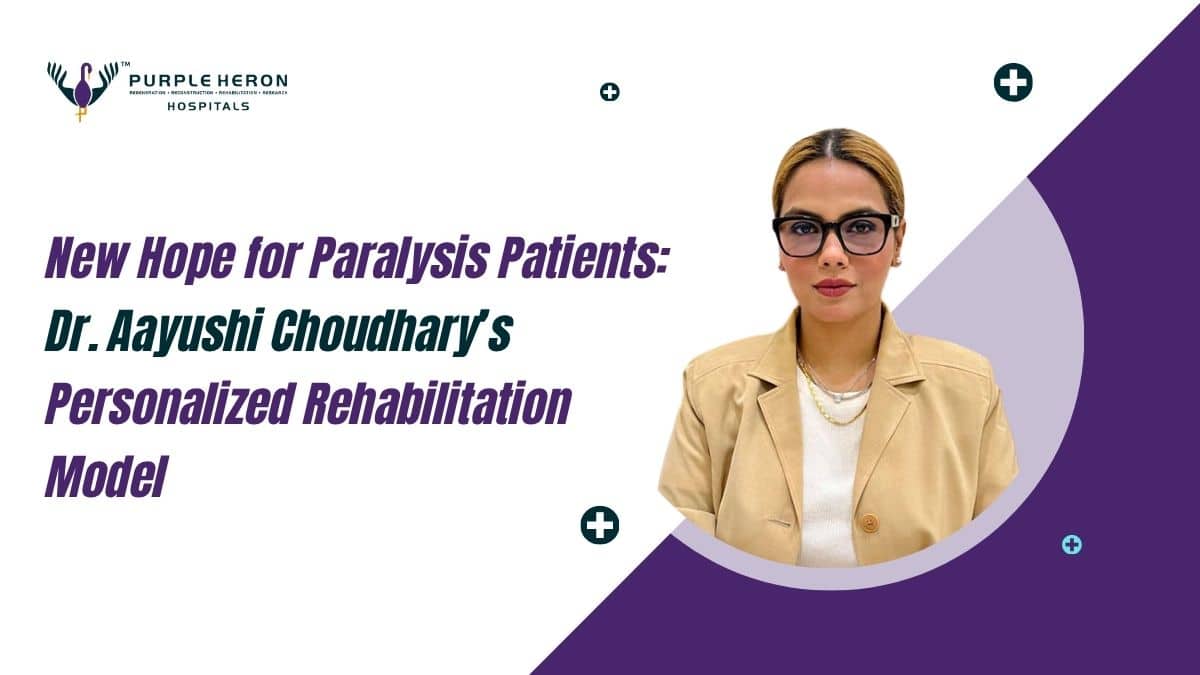
New Hope for Paralysis Patients: Dr. Aayushi Choudhary’s Personalized Rehabilitation Model

Paralysis is often perceived as a life-altering condition with limited recovery possibilities. For many patients and families, it brings uncertainty, dependency, and emotional distress. However, with advancements in paralysis treatment and rehabilitation sciences, recovery is no longer just a distant hope—it is an achievable goal when approached with the right expertise and structured care.

At the forefront of this transformation is Dr. Aayushi Choudhary, a leading Pain Musculoskeletal Medicine & Rehabilitation Specialist, who is redefining how paralysis recovery is approached in India through a personalized, patient-centric rehabilitation model.

Understanding Paralysis: Beyond the Condition

Paralysis refers to the loss of muscle function in part of the body, often caused by neurological damage such as:

  • Stroke
  • Spinal cord injury
  • Traumatic brain injury
  • Nerve disorders

Depending on severity, it can manifest as hemiplegia (one side of the body), paraplegia (lower body), or quadriplegia (full-body involvement).

Traditionally, treatment has focused on immediate stabilization and survival. However, modern medicine emphasizes functional recovery, independence, and quality of life—an area where neuro rehabilitation plays a critical role.

The Shift Toward Rehabilitation-Based Recovery

In recent years, India has seen a growing awareness of structured rehabilitation. The concept of rehabilitation as the “fourth pillar of medical science” is gaining recognition, particularly in managing long-term disabilities like paralysis. This shift reflects a deeper understanding: recovery from paralysis is not a one-time treatment but a continuous, process-driven journey.Introducing Dr. Aayushi Choudhary: A Visionary in Rehabilitation Medicine

Dr. Aayushi Choudhary, Director & Founder, is an MD in Physical Medicine and Rehabilitation (MDPMR) with over a decade of experience in medicine. She is a specialist in Pain, Musculoskeletal Medicine, and Rehabilitation.

Her credentials include:

  • MBBS, MDPMR (Pain, Musculoskeletal Medicine & Rehabilitation Specialist)
  • Inventor & Certified Researcher
  • Recipient of the President’s Award 2022 (Lisbon, Portugal)

However, beyond qualifications, what truly distinguishes Dr. Aayushi is her forward-thinking approach to healthcare.

She strongly advocates that rehabilitation should not be an afterthought but an integrated, central component of treatment, focusing not just on survival but on helping patients achieve their highest functional potential.

The Problem with the Traditional Medical Approach

One of the biggest challenges in paralysis treatment in India is the fragmented healthcare system.

Patients often move between multiple departments:

This lack of integration leads to:

  • Delayed recovery
  • Inconsistent treatment plans
  • Suboptimal outcomes

Dr. Aayushi highlights that this “referral-based system” creates gaps in care, preventing patients from receiving holistic and continuous rehabilitation.

The Personalized Rehabilitation Model: A Game Changer

Dr. Aayushi Choudhary’s approach is built on a structured, protocol-driven rehabilitation model that addresses the root cause of disability while focusing on long-term functional recovery.

1. Comprehensive Patient Assessment

Every patient undergoes a detailed evaluation that includes:

  • Medical history
  • Neurological assessment
  • Functional limitations
  • Lifestyle factors

This ensures that treatment is tailored, not generalized.

2. Customized Treatment Planning

Unlike conventional approaches, Dr. Aayushi Choudhary designs individualized rehabilitation plans based on:

  • Type and severity of paralysis
  • Patient’s age and health condition
  • Recovery goals

This personalized strategy significantly improves outcomes and recovery speed.

3. Multidisciplinary Rehabilitation Approach

Her model integrates multiple therapies, including:

  • Physiotherapy
  • Occupational therapy
  • Pain management
  • Neuro-rehabilitation techniques

This ensures a comprehensive recovery pathway rather than isolated treatment methods.

4. Focus on Root Cause Treatment

Instead of addressing symptoms alone, the treatment targets:

  • Neurological recovery
  • Muscle reactivation
  • Functional independence

This approach enhances the long-term sustainability of results.

5. Continuous Monitoring & Feedback

Recovery from paralysis is dynamic. Dr. Aayushi incorporates:

  • Regular progress tracking
  • Feedback-based adjustments
  • Long-term rehabilitation planning

This ensures that patients remain on the optimal recovery trajectory.

Purple Heron Hospital: A New Era in Rehabilitation Healthcare

To bring her vision to life, Dr. Aayushi Choudhary co-founded Purple Heron Hospital along with Dr. Nitesh Lamoria.

This institution represents a first-of-its-kind integrated rehabilitation model in India, offering:

  • Structured treatment protocols
  • Holistic patient care
  • Lifestyle-integrated recovery plans

At Purple Heron Hospital, the focus is not just on treating disability but on enabling individuals to thrive beyond limitations.

Why Patients Are Choosing This Approach

  • Holistic Care: Treatment is aligned with the patient’s physical, emotional, and lifestyle needs.
  • Structured Protocols: A systematic approach ensures consistency and measurable outcomes.
  • Patient-Centric Philosophy: Every decision revolves around improving the patient’s quality of life.
  • Focus on Independence: The ultimate goal is to help patients regain mobility, confidence, and autonomy.

The Importance of Early Rehabilitation

One of the most critical factors in paralysis recovery is timely intervention.

Starting rehabilitation early can:

  • Prevent muscle atrophy
  • Improve neural recovery
  • Enhance mobility outcomes

Dr. Aayushi emphasizes that “the best time to start rehabilitation is always NOW.”

This proactive approach significantly increases the chances of functional recovery.

Redefining Recovery: From Survival to Thriving

The traditional goal of treatment was to help patients “manage” their condition. However, Dr. Aayushi’s philosophy goes beyond that.

Her approach aims to:

  • Restore functional independence
  • Improve overall quality of life
  • Help patients reintegrate into society

This shift from survival to optimal functionality is what makes her model truly transformative.

Who Can Benefit from This Model?

The personalized rehabilitation approach is suitable for:

  • Stroke patients
  • Spinal cord injury cases
  • Post-surgical recovery patients
  • Individuals with neurological disorders
  • Elderly patients with mobility challenges

It is designed for people across all age groups—from infants to senior citizens—making it a comprehensive solution for rehabilitation care.

The Future of Paralysis Treatment in India

India is at a crucial stage in the evolution of rehabilitation medicine. With increasing awareness and advancements, the focus is shifting toward:

  • Integrated healthcare systems
  • Evidence-based rehabilitation protocols
  • Patient-centric treatment models

Experts like Dr. Aayushi Choudhary are leading this transformation, setting new benchmarks in paralysis treatment and recovery.

Final Thoughts: A New Beginning for Patients

Paralysis is no longer the end of independence—it is the beginning of a structured recovery journey.

With the right guidance, advanced rehabilitation, and a personalized approach, patients can regain mobility, confidence, and control over their lives.

If you are searching for the best paralysis treatment in India, consult a paralysis specialist who prioritizes holistic, patient-focused recovery can make all the difference.

Is Rhinoplasty Right for You? Easy Answers to Common Questions

Rhinoplasty, commonly known as a “nose job,” is one of the most popular cosmetic and reconstructive procedures today. Whether you’re considering it for aesthetic reasons or to improve breathing, it’s natural to have questions. This guide will help you understand rhinoplasty in a simple, clear way so you can decide if it’s the right choice for you.

What is Rhinoplasty?

Rhinoplasty is a surgical procedure that reshapes or reconstructs the nose. It can:

  • Improve the appearance of your nose
  • Correct structural issues
  • Fix breathing problems
  • Restore shape after injury or birth defects

People often look for the best cosmetic surgery hospital in India or the best reconstructive surgery hospital in India to ensure safe and effective results.

Why Do People Choose Rhinoplasty?

There are two main reasons people consider rhinoplasty:

1. Cosmetic Reasons

  • Reduce or increase nose size
  • Reshape the tip or bridge
  • Correct asymmetry
  • Improve overall facial balance

2. Medical Reasons

  • Fix a deviated septum
  • Improve breathing difficulties
  • Repair damage from accidents
  • Correct congenital defects

Many patients choose the best plastic surgery hospital in India to achieve both functional and aesthetic improvements in one procedure.

Am I a Good Candidate for Rhinoplasty?

You may be a good candidate if:

  • You are physically healthy
  • Your facial growth is complete (usually 18+)
  • You have realistic expectations
  • You are unhappy with your nose shape or function

Rhinoplasty is not about perfection—it’s about improvement and harmony with your facial features.

What Results Can I Expect?

Rhinoplasty can create subtle yet impactful changes. The goal is to enhance your natural look, not drastically change your identity.

You can expect:

  • Improved facial symmetry
  • Better breathing (if medically required)
  • Boost in self-confidence

Choosing the best rhinoplasty center in India plays a crucial role in achieving natural-looking results.

Is Rhinoplasty Painful?

Most patients are surprised to learn that rhinoplasty is not very painful. You may experience:

  • Mild discomfort
  • Swelling and bruising around the eyes
  • Nasal congestion for a few days

Pain is usually manageable with prescribed medication, and most discomfort subsides within a week.

How Long is the Recovery Time?

Recovery varies from person to person, but generally:

  • 1 week: Splint removal, visible swelling reduces
  • 2–3 weeks: Most bruising disappears
  • 1–3 months: Noticeable improvement in shape
  • 6–12 months: Final results fully visible

Following your surgeon’s instructions is key for a smooth recovery.

Are There Any Risks?

Like any surgery, rhinoplasty carries some risks, though they are rare when performed by experienced surgeons:

  • Infection
  • Bleeding
  • Breathing issues
  • Unsatisfactory results

That’s why it’s important to choose the best cosmetic surgery hospital in India with skilled professionals and modern facilities.

How Do I Choose the Right Hospital or Surgeon?

Selecting the right place is one of the most important decisions. Look for:

  • Board-certified plastic surgeons
  • Proven experience in rhinoplasty procedures
  • Before-and-after patient results
  • Advanced medical infrastructure
  • Positive patient reviews

Many patients trust the Best Reconstructive Surgery Hospital in India for complex cases and reliable outcomes.

Will My Nose Look Natural?

Yes—when done correctly, rhinoplasty enhances your natural features. A good surgeon focuses on:

  • Facial balance
  • Proportion
  • Subtle refinement

The aim is for people to notice that you look better—not that you had surgery.

How Much Does Rhinoplasty Cost in India?

The cost depends on several factors:

  • Surgeon’s experience
  • Complexity of the procedure
  • Hospital facilities
  • City and location

India is known for offering high-quality treatment at affordable costs, which is why many people search for the Best Rhinoplasty Center in India for value and expertise.

Final Thoughts: Is Rhinoplasty Right for You?

Rhinoplasty can be life-changing—but it’s a personal decision. If you feel self-conscious about your nose or have breathing issues, it may be worth considering.

Before making a decision:

  • Do thorough research
  • Consult a qualified surgeon
  • Understand both benefits and limitations

Choosing the best plastic surgery hospital in India ensures you receive expert care, safe procedures, and satisfying results.

How Pain Management Improves Quality of Life

Pain is more than just a physical sensation—it affects how we move, think, sleep, and even how we connect with others. Whether it’s short-term discomfort or long-term chronic pain, effective pain management plays a crucial role in restoring balance and improving overall quality of life.

In this blog, we’ll explore how proper pain management strategies can transform daily living and why seeking expert care—such as consulting or visiting the best pain management hospital in India—can make a lasting difference.

Understanding Pain and Its Impact

Pain is typically categorized into two main types:

  • Acute Pain: Short-term pain caused by injury, surgery, or illness
  • Chronic Pain: Long-lasting pain that persists for weeks, months, or even years

If left untreated, chronic pain can lead to:

  • Reduced mobility
  • Sleep disturbances
  • Anxiety and depression
  • Decreased productivity
  • Poor overall health

This is where pain management becomes essential.

What is Pain Management?

Pain management is a multidisciplinary approach that focuses on reducing pain and improving function. It combines medical treatments, physical therapies, psychological support, and lifestyle changes.

Common pain management techniques include:

  • Medications
  • Physical therapy
  • Interventional procedures (like injections)
  • Exercise and rehabilitation
  • Mind-body techniques (meditation, relaxation)

Seeking care from the Best Pain Management Hospital in India ensures access to advanced treatments and experienced specialists who can tailor therapies to individual needs.

Key Ways Pain Management Improves Quality of Life

1. Restores Physical Function

Effective pain management helps individuals regain mobility and strength. With reduced pain, everyday tasks like walking, working, or exercising become easier and more enjoyable.

Consulting the best musculoskeletal specialist in Jaipur can provide targeted treatments for joint, muscle, and spine-related issues.

2. Enhances Mental Well-being

Chronic pain often leads to stress, anxiety, and depression. Proper pain control reduces emotional strain and improves mood, helping individuals feel more in control of their lives.

3. Improves Sleep Quality

Pain can significantly disrupt sleep patterns. By managing pain effectively, patients can enjoy deeper, more restful sleep—leading to better energy levels and overall health.

4. Boosts Productivity and Daily Performance

When pain is reduced, focus and efficiency improve. Whether at work or home, individuals can perform tasks more effectively without constant discomfort.

5. Encourages Active Lifestyle

Pain often discourages movement, leading to a sedentary lifestyle. Pain management enables people to stay active, which is essential for maintaining long-term health.

6. Reduces Dependency on Medications

Advanced pain management techniques focus on long-term solutions rather than just temporary relief. This reduces reliance on painkillers and minimizes side effects.

Importance of Expert Care

Choosing the right specialist and healthcare facility is critical for effective pain management. The Best Pain Management Hospital in India offers:

  • Advanced diagnostic tools
  • Minimally invasive procedures
  • Personalized treatment plans
  • Multidisciplinary care teams

Similarly, consulting the Best Musculoskeletal Specialist in Jaipur ensures accurate diagnosis and targeted treatment for musculoskeletal conditions.

Lifestyle Tips to Support Pain Management

In addition to medical care, adopting healthy habits can enhance pain relief:

  • Maintain a balanced diet
  • Practice regular exercise or yoga
  • Manage stress through mindfulness
  • Follow proper posture and ergonomics
  • Get adequate sleep

Conclusion

Pain doesn’t have to control your life. With the right pain management strategies, it’s possible to regain comfort, mobility, and emotional well-being. From improving physical function to enhancing mental health, effective pain management significantly elevates quality of life.

If you or a loved one is struggling with persistent pain, consider consulting the Best Musculoskeletal Specialist in Jaipur or visiting the best pain management hospital in India for expert guidance and advanced care.

Taking the first step toward pain relief can lead to a healthier, happier, and more active life.

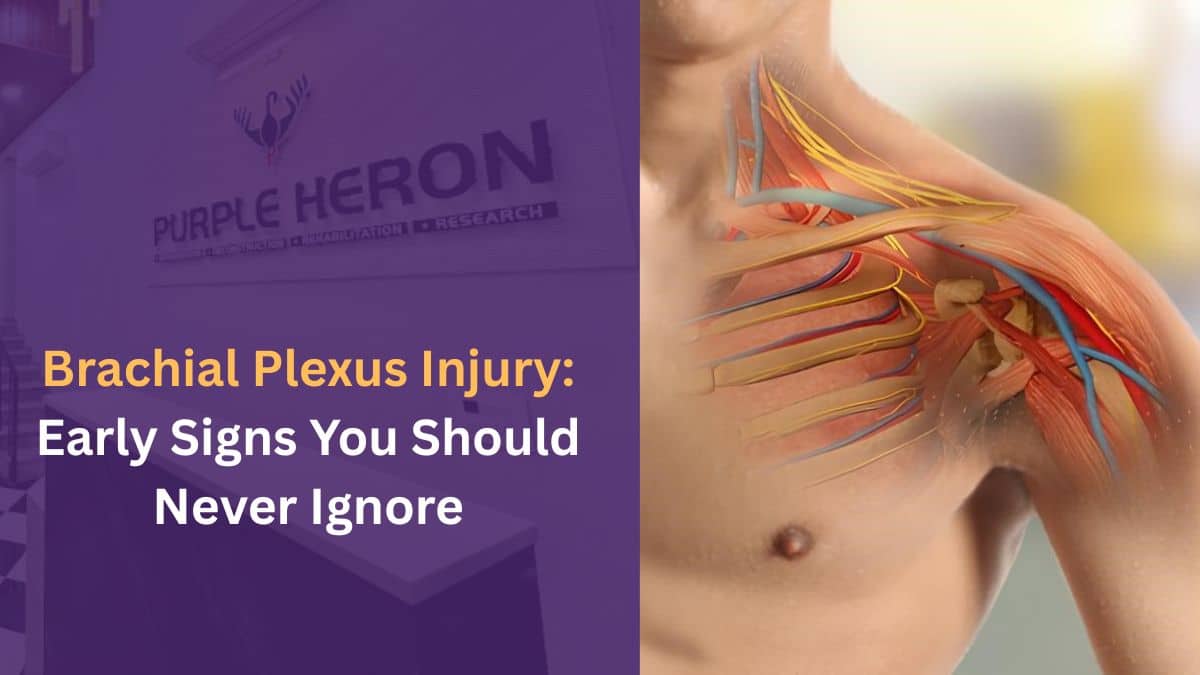
Brachial Plexus Injury: Early Signs You Should Never Ignore

A Brachial Plexus Injury affects the network of nerves that control movement and sensation in your shoulder, arm, and hand. While severe injuries are easier to recognize, the early signs of brachial plexus injury are often subtle and easily ignored. These early symptoms can gradually worsen if left untreated, leading to long-term complications.

Understanding and identifying these warning signs at an early stage is critical. In this article, we will focus only on the early signs of brachial plexus injury so you can take timely action and protect your nerve health.

Why Early Signs Matter

The nerves in the brachial plexus are delicate and highly sensitive. Even mild stretching or compression can disrupt normal function. Early symptoms may seem minor, but they are often the body’s way of signaling nerve damage.

Ignoring these early warning signs can result in:

  • Progressive weakness
  • Chronic pain
  • Reduced mobility
  • Permanent nerve damage

Recognizing these signs early gives you the best chance of recovery.

1. Weakness in the Arm or Hand

One of the most common early signs of brachial plexus injury is weakness in the affected arm or hand.

What You May Notice:

  • Difficulty lifting objects
  • Reduced grip strength
  • Trouble holding everyday items like a phone or cup
  • Fatigue in the arm after minimal activity

This weakness may not appear suddenly. Instead, it often develops gradually and becomes more noticeable over time. You may initially ignore it, thinking it’s due to overuse or muscle strain.

Why It Happens:

When the nerves responsible for muscle control are affected, they cannot send proper signals to the muscles. This results in reduced strength and control.

2. Burning or Sharp Pain

Pain is often one of the earliest and most noticeable brachial plexus symptoms.

Characteristics of Pain:

  • Burning sensation
  • Sharp or stabbing pain
  • Electric shock-like feeling
  • Pain radiating from the shoulder down the arm

This type of pain is different from regular muscle soreness. It may come suddenly and feel intense, especially after an injury or sudden movement.

What Makes It Unique:

Unlike muscle pain, nerve pain tends to follow a specific path along the arm. It may worsen with certain movements or even occur at rest.

3. Numbness or Tingling Sensation

Another early sign of brachial plexus injury is a tingling or numb feeling in the arm or hand.

Common Experiences:

  • “Pins and needles” sensation
  • Partial or complete numbness in fingers
  • Reduced sensitivity to touch, heat, or cold

You might feel like your hand has “fallen asleep,” but the sensation doesn’t go away quickly.

Why This Happens:

The brachial plexus nerves carry sensory signals from the arm to the brain. When these nerves are affected, the signals are disrupted, leading to abnormal sensations.

4. Loss of Coordination

Loss of coordination is a subtle but important early symptom of a nerve injury in shoulder.

Signs to Watch:

  • Difficulty performing precise movements
  • Trouble buttoning a shirt or typing
  • Clumsiness in hand movements
  • Dropping objects frequently

This can be frustrating, especially when performing routine tasks that were previously easy.

Underlying Cause:

Coordination depends on smooth communication between nerves and muscles. When nerve signals are disrupted, movements become less controlled and accurate.

5. Difficulty Moving the Arm

Restricted movement is another key early warning sign.

What You May Experience:

  • Stiffness in the shoulder
  • Difficulty raising your arm
  • Limited range of motion
  • Feeling like your arm is “heavy”

In some cases, movement may be possible but painful or uncomfortable.

Why It Occurs:

When nerves are injured, muscles do not receive proper instructions. This leads to reduced mobility and stiffness.

6. Drooping Shoulder

A drooping or sagging shoulder is a visible sign that should never be ignored.

How It Appears:

  • One shoulder looks lower than the other
  • Difficulty maintaining normal posture
  • Weakness when trying to lift the shoulder

This symptom often indicates muscle weakness caused by nerve damage.

What It Indicates:

The nerves controlling shoulder muscles are not functioning properly, leading to poor muscle support and alignment.

7. Muscle Shrinking (Early Muscle Atrophy)

Although muscle wasting is usually seen in later stages, mild muscle shrinkage can begin early in some cases.

Early Indicators:

  • Slight reduction in muscle size
  • Loss of muscle tone
  • Weak appearance of the arm

This change may be subtle at first but becomes more noticeable over time.

Why It Happens:

When muscles are not receiving proper nerve signals, they are not used effectively, leading to gradual shrinking.

8. Increased Sensitivity or Unusual Sensations

Some individuals may experience unusual sensory changes instead of numbness.

Possible Symptoms:

  • Heightened sensitivity to touch
  • Pain from light contact (like clothing brushing the skin)
  • Strange sensations such as crawling or itching

These symptoms may seem unusual but are common in nerve-related conditions.

Explanation:

Damaged nerves can send incorrect or exaggerated signals to the brain, causing abnormal sensations.

9. Weak Reflexes

Reflexes are automatic responses controlled by nerves. A decrease in reflex activity can be an early sign of a Brachial Plexus Injury.

What to Look For:

  • Slower reaction to stimuli
  • Reduced response when the arm is tapped or stimulated
  • Feeling of delayed movement

This symptom is usually identified during a medical examination but may also be noticed in daily activities.

10. Pain That Worsens with Movement

Another important early sign is pain that increases with certain movements.

Typical Patterns:

  • Pain when lifting the arm
  • Discomfort while turning the neck
  • Increased pain during physical activity

This type of pain often discourages movement, which can further worsen stiffness and weakness.

11. Feeling of Arm Instability

Some people describe a sensation that their arm is not stable or reliable.

Common Descriptions:

  • Arm feels loose or unsupported
  • Lack of confidence in using the arm
  • Fear of dropping objects

This feeling is often linked to reduced muscle control and nerve dysfunction.

12. Gradual Progression of Symptoms

One of the most important characteristics of the early signs of brachial plexus injury is that they often worsen gradually.

What This Means:

  • Symptoms start mild and become more noticeable over time
  • New symptoms may develop if untreated
  • Daily activities become increasingly difficult

Because the progression is slow, many people delay seeking help, which can lead to complications.

Final Thoughts

The early signs of brachial plexus injury are often subtle but should never be ignored. Symptoms like weakness, burning pain, numbness, and loss of coordination may seem minor at first, but they are important warning signals of nerve damage.

Recognizing these brachial plexus symptoms early can help prevent long-term complications and improve recovery outcomes. If you notice any of these changes—especially after an injury or strain—it’s important to take them seriously.

Being aware of your body and acting on early symptoms is the key to protecting your nerve health and maintaining full function of your arm and shoulder.

10 Warning Signs You Need to Visit a Neurosurgeon Today

Your brain and spine control almost every function in your body—from movement and sensation to memory and coordination. When something goes wrong in this complex system, the symptoms can range from mild discomfort to life-threatening conditions.

But how do you know when it’s serious enough to consult a neurosurgeon?

Many people ignore early warning signs, assuming they are temporary or minor. Unfortunately, delaying proper diagnosis can worsen the condition and make treatment more complicated. In this guide, we’ll break down the top warning signs that indicate you should visit a neurosurgeon immediately, along with the conditions they may point to.

What Does a Neurosurgeon Treat?

A neurosurgeon specializes in diagnosing and treating conditions related to the brain, spine, and nervous system. This includes both surgical and non-surgical treatments for:

  • Brain tumors
  • Spine disorders (like slip disc)
  • Nerve compression
  • Head injuries
  • Stroke-related complications
  • Chronic neurological pain

Understanding when to consult a specialist can make a huge difference in recovery and long-term health.

1. Persistent or Severe Headaches

Occasional headaches are common, but frequent or severe headaches that don’t respond to medication could signal a serious issue.

When to worry:

  • Headaches that worsen over time
  • Pain accompanied by vomiting or vision problems
  • Suddenly, an intense “worst headache of your life.”

These symptoms may indicate conditions like brain tumors, aneurysms, or increased intracranial pressure, all of which require immediate evaluation.

2. Chronic Back or Neck Pain

Back pain is one of the most common complaints, but when it becomes persistent or severe, it may point to spinal issues.

Warning signs:

  • Pain lasting more than a few weeks
  • Pain radiating to arms or legs
  • Difficulty standing or walking

Conditions such as herniated discs, spinal stenosis, or nerve compression often require a neurosurgeon’s assessment.

3. Numbness or Tingling Sensations

If you experience constant numbness, tingling, or “pins and needles”, especially in your arms, legs, or face, it may indicate nerve damage.

Possible causes:

  • Pinched nerves
  • Spine disorders
  • Neurological diseases

Ignoring these symptoms can lead to permanent nerve damage if not treated in time.

4. Weakness in Limbs

Sudden or gradual weakness in your arms or legs is a red flag that should never be ignored.

You should act immediately if:

  • You have trouble lifting objects
  • You feel unsteady while walking
  • One side of your body feels weaker

This could indicate stroke, nerve injury, or spinal cord compression, requiring urgent medical care.

5. Loss of Balance or Coordination

If you frequently feel dizzy or lose balance, it may not just be fatigue or low blood pressure.

Watch for:

  • Frequent falls
  • Difficulty walking straight
  • Coordination issues

These symptoms can be linked to brain disorders, cerebellar issues, or nerve dysfunction.

6. Seizures or Sudden Blackouts

Experiencing a seizure or blackout is a serious neurological event that needs immediate attention.

Common signs:

  • Sudden shaking or convulsions
  • Temporary loss of consciousness
  • Confusion after the episode

Seizures may be caused by brain tumors, infections, or epilepsy, and require proper diagnosis and treatment.

7. Vision Problems

Your eyes are closely connected to your brain. Any unexplained vision changes can be a warning sign.

Symptoms to watch:

  • Blurred or double vision
  • Sudden loss of vision
  • Difficulty focusing

These issues could be linked to optic nerve problems, brain tumors, or increased pressure in the brain.

8. Difficulty Speaking or Understanding

If you suddenly have trouble speaking or understanding others, it may indicate a neurological emergency.

Warning signs:

  • Slurred speech
  • Difficulty finding words
  • Confusion in conversations

This could be a sign of stroke or brain injury, and immediate medical attention is critical.

9. Head or Spine Injury

Any injury involving the head or spine should be taken seriously, even if symptoms appear mild at first.

Seek help if you experience:

  • Loss of consciousness
  • Persistent headache after injury
  • Neck stiffness or pain

Even minor trauma can lead to internal bleeding or spinal damage, which may not be immediately visible.

10. Loss of Bladder or Bowel Control

This is one of the most serious warning signs and often indicates spinal cord compression.

Immediate attention is needed if:

  • You lose control over urination or bowel movements
  • You experience numbness in the groin area

This condition, often linked to cauda equina syndrome, is a medical emergency that requires urgent neurosurgical intervention.

When Should You See a Neurosurgeon Immediately?

You should not delay consultation if you experience:

  • Sudden neurological symptoms
  • Progressive worsening of pain or weakness
  • Symptoms affecting daily life
  • Any combination of the warning signs mentioned above

Early diagnosis not only improves treatment outcomes but can also prevent permanent damage.

Diagnosis and Treatment Options

A neurosurgeon may recommend several diagnostic tests, such as:

  • MRI (Magnetic Resonance Imaging)
  • CT Scan
  • Nerve conduction studies
  • Blood tests

Treatment options may include:

  • Medication and therapy
  • Minimally invasive procedures
  • Advanced neurosurgery

Not all cases require surgery—many conditions can be managed effectively with early intervention.

Why Early Consultation Matters

Ignoring neurological symptoms can lead to:

  • Permanent nerve damage
  • Loss of mobility
  • Chronic pain
  • Life-threatening complications

On the other hand, early treatment offers:

  • Faster recovery
  • Better outcomes
  • Reduced need for complex surgery

Final Thoughts

Your body often gives subtle warning signs before a serious neurological issue develops. The key is to recognize these signals and act quickly.

If you experience any of the symptoms discussed above, don’t ignore them or rely solely on home remedies. Consulting a qualified neurosurgeon at the right time can make all the difference between a simple treatment and a major complication.

Conclusion

Understanding the warning signs that require a neurosurgeon can help you take timely action and protect your long-term health. Whether it’s persistent headaches, spine pain, or neurological symptoms, early diagnosis is crucial.

If you’re experiencing any of these issues, consider consulting the best neurosurgeon in Jaipur for expert evaluation and personalized treatment. Prompt care can ensure a safer, faster recovery and help you get back to a healthy life.

Expert Choice: Why More People Are Choosing Cosmetic Surgery Today

Cosmetic surgery has seen a remarkable rise in popularity over the last few years. What was once considered a luxury limited to celebrities and public figures is now becoming a common choice among people from all walks of life. Men and women of different age groups are increasingly exploring cosmetic procedures to improve their appearance, restore confidence, and achieve personal aesthetic goals.

The growing awareness about advanced cosmetic treatments, safer surgical methods, and natural-looking results has made people more comfortable discussing and considering these procedures. Today, many individuals visit the best cosmetic surgery hospital in India not only for beauty enhancement but also to improve their overall self-esteem and quality of life.

Changing Perceptions About Cosmetic Surgery

One of the biggest reasons behind the rising demand for cosmetic surgery is the change in public perception. Earlier, cosmetic procedures were often misunderstood or judged negatively. However, people now see cosmetic surgery as a personal choice that can help improve confidence and emotional well-being.

Social media, online consultations, and easy access to information have helped people understand different procedures better. Patients are more informed than ever before and are researching treatments carefully before making decisions. This awareness has reduced fear and hesitation around cosmetic surgery.

Today, cosmetic surgery is no longer only about changing appearances dramatically. Instead, it focuses on enhancing natural beauty and correcting concerns that may affect a person’s confidence. Procedures such as rhinoplasty, liposuction, facelift surgery, tummy tuck, and breast enhancement are becoming increasingly common because they help patients feel more satisfied with their appearance.

Increased Focus on Self-Confidence

Confidence plays an important role in both personal and professional life. Many people choose cosmetic surgery because they want to feel better about themselves. Physical concerns such as acne scars, excess fat, uneven facial features, signs of aging, or loose skin after weight loss can affect self-esteem.

Cosmetic surgery can help individuals address these concerns effectively. Patients often report feeling happier, more confident, and socially comfortable after their procedures. This emotional benefit is one of the strongest reasons why cosmetic surgery continues to grow in popularity.

At the best plastic surgery hospital in India, specialists focus not only on physical transformation but also on understanding the patient’s expectations and emotional goals. Personalized consultations allow patients to discuss their concerns openly and receive guidance about the most suitable treatment options.

Advanced Technology Has Improved Safety

Medical technology has advanced significantly over the years, making cosmetic surgery safer and more effective. Modern surgical techniques are more precise, minimally invasive, and designed to reduce recovery time. Improved anesthesia methods, advanced equipment, and better post-operative care have also increased patient safety.

Many cosmetic procedures now involve smaller incisions, less pain, and quicker healing compared to older techniques. This has encouraged more people to consider surgery without the fear of long recovery periods or unnatural results.

Choosing the best cosmetic surgery hospital in India is important because experienced hospitals maintain high standards of hygiene, patient care, and surgical safety. Advanced facilities with trained surgeons and dedicated medical teams can provide better outcomes and a smoother recovery experience.

Demand for Natural-Looking Results

Modern cosmetic surgery is very different from the exaggerated transformations often associated with the past. Today’s patients prefer subtle enhancements that improve their natural appearance instead of creating an artificial look.

Experienced cosmetic surgeons carefully analyze facial balance, body proportions, and skin condition before recommending treatments. The goal is to achieve results that look refined, youthful, and natural.
Experts like Dr. Nitesh Lamoria are known for offering patient-focused treatment plans designed to deliver balanced and realistic outcomes. Every patient has unique goals and expectations, which is why customized treatment planning has become an important part of modern cosmetic surgery.

Natural-looking results have played a major role in increasing trust in cosmetic procedures. Patients now feel more confident choosing treatments because they know the focus is on enhancement rather than drastic alteration.

Cosmetic Surgery is Becoming More Accessible

Another reason behind the increasing popularity of cosmetic surgery is improved accessibility. Earlier, cosmetic procedures were available only in a few specialized centers and were considered extremely expensive. Today, many reputed hospitals offer advanced cosmetic treatments with flexible options and personalized care.

India has become a preferred destination for cosmetic procedures because patients can access high-quality treatments at internationally recognized medical facilities. Many people search for the best plastic surgery hospital in India because of the availability of experienced surgeons, modern infrastructure, and affordable treatment options.

The rise of medical tourism has also contributed to the popularity of cosmetic surgery in India. Patients from different countries travel to India for procedures due to the combination of skilled specialists and cost-effective care.

Personalized Cosmetic Solutions

Modern cosmetic surgery is highly personalized. Every individual has different aesthetic concerns, skin conditions, body types, and expectations. Surgeons now focus on creating customized treatment plans that suit each patient’s needs rather than following a one-size-fits-all approach.

From facial rejuvenation and body contouring to reconstructive cosmetic procedures, patients have access to a wide range of options. During consultations, experienced surgeons explain the benefits, risks, recovery process, and expected outcomes clearly so patients can make informed decisions.

This personalized approach helps patients feel more comfortable and confident throughout their cosmetic surgery journey.

Final Thoughts

The growing popularity of cosmetic surgery reflects changing lifestyles, increased awareness, and advancements in medical science. People today are more open to investing in treatments that improve their appearance and confidence in a safe and responsible way.

With advanced technology, safer procedures, and skilled specialists like Dr. Nitesh Lamoria, patients can now achieve natural-looking results that enhance both appearance and self-esteem. Choosing the best cosmetic surgery hospital in India ensures access to expert care, modern facilities, and personalized treatment plans designed for long-term satisfaction.

As cosmetic surgery continues to evolve, more people are realizing that these procedures are not simply about beauty—they are about confidence, comfort, and feeling the best version of themselves.

Discover the Best Skin Care Treatments for Every Skin Type

Taking care of your skin is more than just applying moisturizer or sunscreen. With the rise of advanced dermatology and personalized solutions, finding the best skin care treatment tailored to your skin type has become easier and more effective than ever. Whether you have oily, dry, sensitive, combination, or normal skin, there’s a perfect treatment waiting for you. And if you’re in Rajasthan, you’ll be glad to know that skin care treatment is gaining popularity for its affordability, quality, and range of options.

Understanding Your Skin Type

Before diving into treatments, it’s important to know your skin type. Here’s a quick overview:

Oily Skin: Prone to acne, enlarged pores, and shine.

Dry Skin: Feels tight, flaky, and may appear dull.

Combination Skin: Oily in the T-zone, dry or normal elsewhere.

Sensitive Skin: Easily irritated by products or environmental factors.

Normal Skin: Balanced with minimal issues.

Once you’ve identified your skin type, you can explore the best treatments suited for your needs.

Best Skin Care Treatments for Each Skin Type

1. Oily & Acne-Prone Skin

Chemical Peels: Help control oil production and reduce acne scars.

Salicylic Acid Facials: Deep cleanse pores and remove excess sebum.

Laser Acne Treatment: Reduces breakouts and prevents future ones.

Where to Try: Opt for trusted clinics offering skin care treatment in Jaipur that specialize in acne management using advanced technologies.

2. Dry Skin

HydraFacial: Infuses the skin with hydration while exfoliating.

Moisture-Boosting Masks: Deeply nourish and restore elasticity.

Vitamin C Therapy: Replenishes moisture and improves texture.

Tip: Look for clinics offering skin hydration therapies using dermatologist-approved products in Jaipur.

3. Combination Skin

Custom Facials: Focused on balancing oily and dry zones separately.

Microneedling: Stimulates collagen production and evens out skin tone.

LED Light Therapy: Targets multiple skin issues at once.

Why Jaipur? Many centers offering Skin Care Treatment in Jaipur customize these therapies based on your skin’s unique zones.

4. Sensitive Skin

Oatmeal & Aloe-Based Facials: Calm inflammation and soothe redness.

Non-Abrasive Treatments: Avoid harsh chemicals and opt for gentle cleansing.

Consultation-Based Plans: Start with a dermatologist to avoid flare-ups.

Recommendation: Clinics in Jaipur provide in-depth consultations before beginning any sensitive skin treatments.

5. Normal Skin

Monthly Maintenance Facials: Maintain balance and glow.

Anti-Aging Treatments: Prevent early signs of aging.

Sun Protection Plans: Focus on preventing UV damage.

Bonus: Regular skin assessments are a common add-on to Skin Care Treatment in Jaipur, ensuring your skin remains at its best.

Why Choose Skin Care Treatment in Jaipur?

Jaipur has quickly become a hub for advanced and affordable skin care treatments. Here’s why:

Experienced Dermatologists and Skin Experts

State-of-the-Art Clinics and Technology

Budget-Friendly Options with Premium Quality

Customized Treatment Plans for all skin types

Whether you’re dealing with acne, dryness, or just want a glowing complexion, Jaipur offers some of the best skin care treatment options in India.

Final Thoughts

Your skin deserves personalized care. Understanding your skin type is the first step toward achieving a radiant complexion. Whether you need hydration, acne control, or anti-aging solutions, there’s a treatment that fits you perfectly.

If you’re ready to begin your journey to flawless skin, explore skin care treatment in Jaipur today—and experience the transformation!

What Cosmetic Surgery Can and Cannot Fix

Cosmetic surgery has transformed the way people enhance their appearance and boost confidence. From facial refinement to body contouring, modern techniques offer safe and effective results when performed by experts. However, it’s equally important to understand that cosmetic surgery has its limits.

In this guide, we’ll clearly explain what cosmetic surgery can and cannot fix, helping you make an informed and realistic decision — especially if you’re considering treatment at the best cosmetic surgery hospital or consulting a qualified surgeon.

Understanding Cosmetic Surgery

Cosmetic surgery is a branch of aesthetic medicine focused on improving physical appearance through surgical and non-surgical procedures. Common treatments include:

  • Rhinoplasty (nose reshaping)
  • Liposuction (fat removal)
  • Breast augmentation or reduction
  • Facelift and anti-aging procedures
  • Tummy tuck (abdominoplasty)

Choosing the best plastic surgery hospital in India ensures access to advanced technology, experienced surgeons, and high safety standards.

What Cosmetic Surgery Can Fix

1. Enhance Physical Appearance

Cosmetic surgery is highly effective in improving facial and body features. Procedures can refine the nose, reshape the jawline, or enhance body proportions.

2. Correct Visible Imperfections

It can address concerns like:

  • Uneven facial symmetry
  • Excess fat deposits
  • Loose or sagging skin
  • Scars and marks (to some extent)

A skilled plastic surgeon can customize treatments based on individual needs for natural-looking results.

3. Restore Youthful Appearance

Anti-aging procedures like facelifts, eyelid surgery, and skin tightening can reduce wrinkles and signs of aging.

4. Improve Body Contours

Body contouring surgeries, such as liposuction and tummy tuck, help reshape areas resistant to diet and exercise.

5. Reconstruct After Injury or Surgery

Certain cosmetic procedures overlap with reconstructive surgery, helping restore appearance after trauma, burns, or medical treatments.

What Cosmetic Surgery Cannot Fix

1. It cannot Guarantee Perfection

Cosmetic surgery enhances features but does not create “perfect” or flawless results. Outcomes depend on body type, healing, and realistic expectations.

2. It cannot Solve Emotional or Psychological Issues

While cosmetic procedures may improve confidence, they are not a cure for deeper self-esteem or mental health concerns.

3. It cannot stop the Aging Process

Procedures can delay visible aging, but they cannot permanently stop it. Maintenance treatments may be required over time.

4. It Cannot Replace a Healthy Lifestyle

Cosmetic surgery is not a substitute for proper diet and exercise. For example, liposuction removes fat but does not prevent future weight gain.

5. It cannot Deliver Instant Results in All Cases

Many procedures require recovery time. Swelling, healing, and gradual improvement are part of the process.

Setting Realistic Expectations

When considering cosmetic surgery, having realistic expectations is crucial. A consultation with an experienced surgeon at the best cosmetic surgery hospital in India will help you understand:

  • Expected results
  • Risks and limitations
  • Recovery timeline
  • Suitable procedures for your goals

Clear communication ensures satisfaction and reduces the chances of disappointment.

Choosing the Right Surgeon and Hospital

Your results depend heavily on the expertise of your surgeon and the quality of the facility. Always look for:

  • Board-certified and experienced surgeons
  • Proven track record and patient reviews
  • Advanced surgical technology
  • Transparent consultation process

Consulting a trusted plastic surgeon or selecting the best plastic surgery hospital in India ensures safety, precision, and better outcomes.

Final Thoughts

Cosmetic surgery is a powerful tool for enhancing appearance and boosting confidence — but it’s not a magic solution. Understanding what it can and cannot fix helps you make smarter decisions and achieve satisfying results.

If you’re planning a transformation, always choose the right hospital and consult an expert cosmetic/plastic surgeon to ensure safe, natural, and long-lasting outcomes.

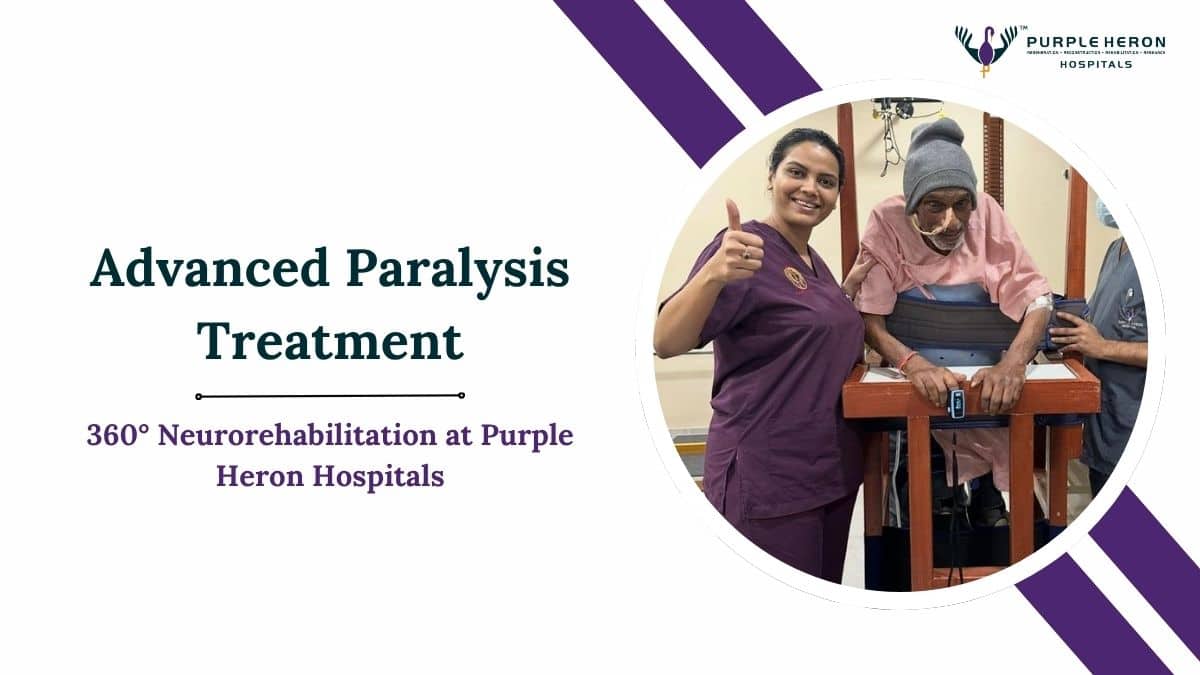
Advanced Paralysis Treatment: 360° Neurorehabilitation at Purple Heron Hospitals

Paralysis is more than just loss of movement—it affects independence, confidence, and quality of life. Whether caused by stroke, spinal cord injury, or nerve damage, effective recovery requires more than basic physiotherapy.

At Purple Heron Hospitals, we follow a comprehensive 360° neurorehabilitation approach under the expert guidance of Dr. Aayushi Choudhary—focused not just on movement, but on restoring function, dignity, and independence.

Understanding Paralysis: Spastic vs Flaccid

Effective treatment begins with identifying the type of paralysis:

1. Spastic Paralysis (Upper Motor Neuron)

  • Common in stroke and brain injuries
  • Symptoms:
    • Muscle stiffness
    • Tight posture
    • Difficulty in walking and performing daily activities

2. Flaccid Paralysis (Lower Motor Neuron)

  • Seen in nerve injuries and spinal conditions
  • Symptoms:
    • Weak, floppy muscles
    • Joint instability
    • Reduced control

At Purple Heron Hospitals, diagnosis directly shapes a personalized treatment plan.

Read our full blog on paralysis treatment & neurorehabilitation guide to explore detailed treatment and recovery strategies.

Our Approach: Functional Recovery, Not Just Movement

We don’t just ask “Can the patient move?”

We focus on:

  • Independent walking
  • Toileting & hygiene
  • Bladder & bowel control
  • Return to daily life & work

1. Advanced Spasticity Management

For patients with stiffness and tight muscles:

  • Ultrasound-guided Botulinum injections
  • Muscle relaxation for better mobility
  • Improved posture and limb function

Bladder Control Support:

  • Intravesical therapies
  • Improved bladder capacity
  • Reduced leakage

2. Orthotic & Mobility Support

Correct orthotics can transform recovery:

  • AFO / KAFO for walking support
  • Upper limb splints for hand function
  • Joint alignment correction

Helps patients move from dependence to independence

Bladder & Bowel Rehabilitation

Often ignored—but critical for quality of life:

Bladder Care:

  • Timed voiding
  • Bladder training programs
  • Catheterization support

Bowel Care:

  • Structured routines
  • Diet planning
  • Regular evacuation protocols

4. Gait Training & Mobility Engineering

Walking after paralysis requires structured training:

  • Post-stroke gait correction
  • Assistive device optimization
  • Energy-efficient walking techniques

Goal: Safe, sustainable, and fatigue-free mobility

5. Daily Life (ADL) Rehabilitation

We help patients regain independence in:

  • Dressing
  • Bathing
  • Eating
  • Workplace adjustments

Because recovery means returning to life—not just movement.

6. Nutrition for Faster Recovery

Healing needs the right fuel:

  • High-protein diet
  • Anti-inflammatory nutrition
  • Muscle preservation strategies

To understand paralysis types and recovery approaches in detail, read the expert guide by Dr. Aayushi Choudhary.

Specialized Care for Flaccid Paralysis

Flaccid paralysis requires a different strategy:

  • Strong supportive braces
  • Joint stabilization
  • Assisted rehabilitation programs

Important Risk Awareness:

  • Autonomic Dysreflexia (in spinal injuries)
  • Caregiver education for emergency response

Why Choose Purple Heron Hospitals?

✔ Expert-led care by Dr. Aayushi Choudhary

✔ Personalized treatment plans

✔ Advanced interventional techniques

✔ Focus on real-life functional recovery

✔ Complete 360° neurorehabilitation

When Should You Seek Treatment?

Early intervention can significantly improve outcomes. If you notice:

  • Sudden weakness
  • Difficulty in movement
  • Loss of coordination

Immediate consultation is essential.

Book Your Consultation Today

Paralysis is not the end—it’s the beginning of a structured recovery journey.

At Purple Heron Hospitals, we help patients move from:

Dependence → Function → Confidence → Independent Living

Book your consultation at Purple Heron Hospitals today.

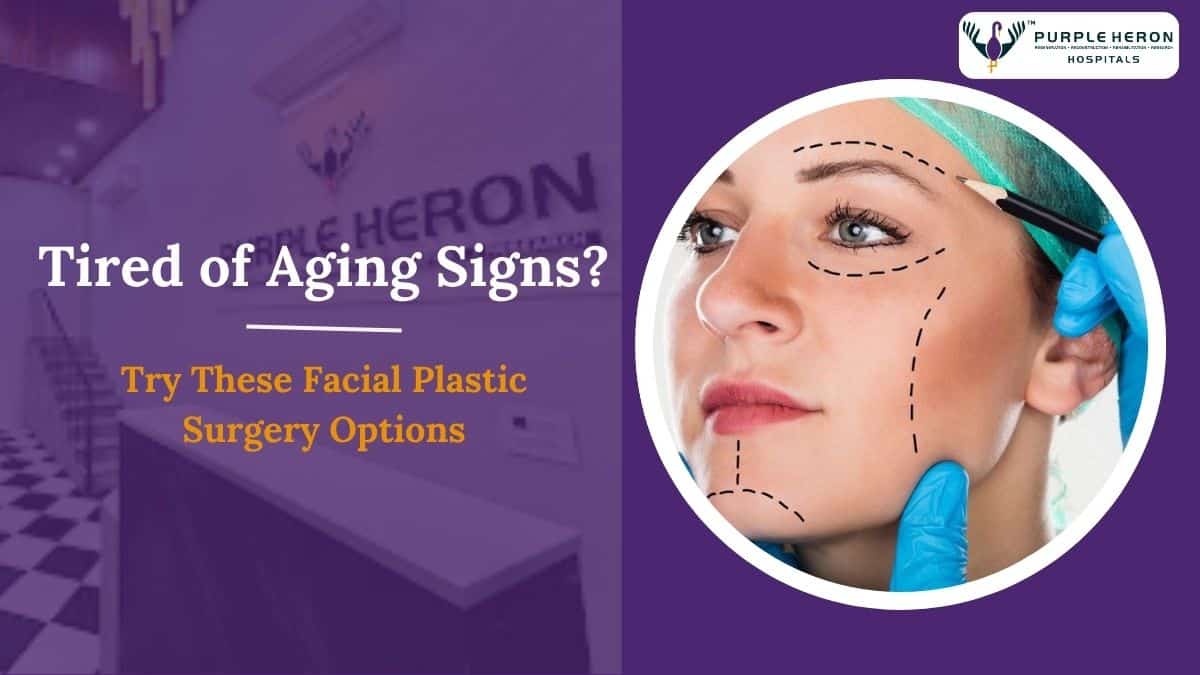
Tired of Aging Signs? Try These Facial Plastic Surgery Options

Aging is a natural process, but visible signs like wrinkles, sagging skin, fine lines, and volume loss can affect confidence and self-image. Thanks to modern advancements, facial plastic surgery now offers safe, effective, and long-lasting solutions to restore a youthful and refreshed appearance.

If you’re searching for the best facial plastic surgery in India, this guide will help you understand the most popular procedures, their benefits, and how to choose the right treatment.

Understanding Facial Aging

As we age, the skin loses collagen and elasticity, leading to:

  • Wrinkles and fine lines
  • Sagging cheeks and jawline
  • Droopy eyelids
  • Hollow under-eye areas
  • Uneven skin texture

Environmental factors like sun exposure, pollution, and stress can accelerate these signs, making early intervention beneficial.

Top Facial Plastic Surgery Options to Reverse Aging

1. Facelift (Rhytidectomy)

A facelift is one of the most effective procedures for reducing visible aging signs. It tightens sagging skin and redefines facial contours.

Benefits:

  • Smoothens deep wrinkles
  • Lifts sagging cheeks and jawline
  • Provides long-lasting results

This procedure is ideal for individuals looking for dramatic yet natural rejuvenation.

2. Eyelid Surgery (Blepharoplasty)

The eyes are often the first area to show aging. Eyelid surgery removes excess skin and fat to give a more alert and youthful look.

Benefits:

  • Eliminates under-eye bags
  • Lifts droopy eyelids
  • Enhances overall facial appearance

3. Rhinoplasty (Nose Reshaping)

While commonly known as a cosmetic enhancement, rhinoplasty can also improve facial harmony, especially as aging alters facial proportions.

Benefits:

  • Improves facial symmetry
  • Refines nose shape
  • Enhances overall balance

4. Brow Lift Surgery

A brow lift helps correct sagging eyebrows and forehead wrinkles, giving a refreshed and youthful expression.

Benefits:

  • Reduces forehead lines
  • Lifts drooping brows
  • Opens up the eye area

5. Chin & Jawline Enhancement

With age, the jawline loses definition. Chin augmentation and contouring procedures help restore structure and balance.

Benefits:

  • Defines jawline
  • Improves facial proportions
  • Reduces double chin appearance

Why Choose Facial Plastic Surgery in India?

India has become a global destination for cosmetic procedures due to:

  • Highly skilled and experienced plastic surgeons
  • Advanced medical technology
  • Affordable treatment costs
  • World-class facilities

Choosing the best plastic surgery hospital in India ensures safety, precision, and excellent results. Many patients also prefer cosmetic surgery for personalized care and international standards.

How to Choose the Right Surgeon

When planning facial plastic surgery, selecting the right expert is crucial:

  • Check qualifications and certifications
  • Review before-and-after results
  • Read patient testimonials
  • Ensure the hospital is accredited
  • Discuss expectations clearly during consultation

A trusted surgeon from the best facial plastic surgery in India will always focus on natural-looking outcomes rather than overdone transformations.

Recovery and Results

Recovery time depends on the procedure, but most patients can expect:

  • Mild swelling and bruising for a few days
  • Noticeable improvement within 2–3 weeks
  • Long-lasting, natural-looking results

Following post-surgery care instructions is essential for optimal healing.

Final Thoughts

Aging may be inevitable, but looking aged doesn’t have to be. With advanced procedures available at the best plastic surgery hospital in India, you can regain a youthful appearance and renewed confidence.

Whether you choose a facelift, eyelid surgery, or jawline enhancement, the key is to opt for the best cosmetic surgery hospital in India that prioritizes safety, expertise, and patient satisfaction.

If you’re tired of aging signs, now is the perfect time to explore the benefits of the best facial plastic surgery and take a step toward a more confident you.