

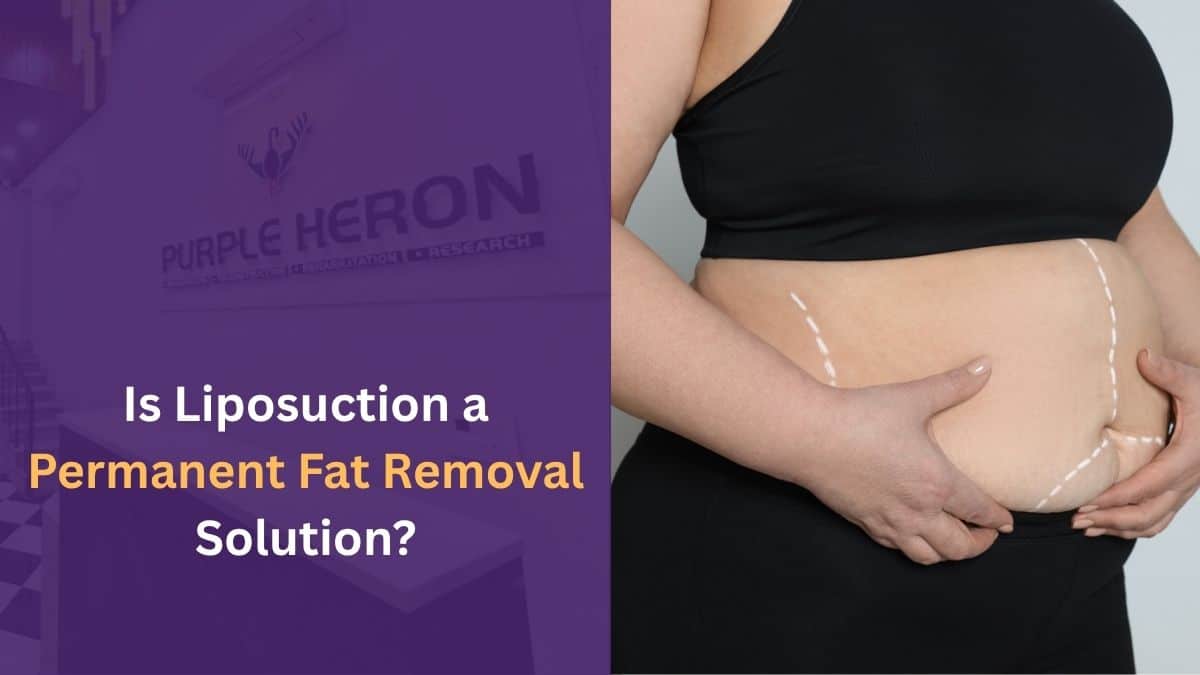
Liposuction is one of the most popular cosmetic procedures for removing stubborn fat that doesn’t respond to diet and exercise. Many people considering the procedure ask the same question: Is liposuction a permanent fat removal solution?
The short answer is yes—but with an important condition. Liposuction permanently removes fat cells from the treated area. However, maintaining those results depends on your lifestyle after surgery.
In this blog, we’ll explain how liposuction works, whether the results are truly permanent, what happens if you gain weight after the procedure, and how to maintain your new body shape for years to come.
What Is Liposuction?
Liposuction is a cosmetic surgical procedure designed to remove excess fat deposits from specific areas of the body. It helps reshape body contours rather than serving as a weight-loss treatment.
Common treatment areas include:
- Abdomen
- Waist (love handles)
- Thighs
- Hips
- Arms
- Back
- Chin and neck
- Chest (for gynecomastia in men)
The procedure is ideal for people who are close to their ideal body weight but struggle with localized fat that doesn’t disappear despite regular exercise and a healthy diet.
Is Liposuction Permanent?
Yes. Liposuction permanently removes fat cells from the treated area.
Unlike dieting, which only shrinks fat cells, liposuction physically removes them from your body. Since adult fat cells generally do not regenerate, those removed cells are gone permanently.
However, this doesn’t mean you can never gain weight again.
The remaining fat cells in untreated and treated areas can still enlarge if you consume more calories than you burn over time.
Key Point: Fat cells removed during liposuction are gone forever, but maintaining the results requires a healthy lifestyle.
How Does Liposuction Remove Fat?
During liposuction:
- Small incisions are made.
- A thin tube called a cannula is inserted.
- Fat is loosened.
- The fat is suctioned out permanently.
- The body gradually heals and reveals improved contours over the following weeks and months.
Modern liposuction techniques minimize trauma and provide smoother, more natural-looking results.
Can Fat Come Back After Liposuction?
This is one of the biggest myths surrounding liposuction.
The Truth:
The same fat cells do not come back.
However, if significant weight gain occurs after surgery:
- Remaining fat cells become larger.
- Untreated body areas may accumulate more fat.
- Overall body shape may change.
For example:
If fat is removed from the abdomen but you later gain 15–20 kg, fat may accumulate more in areas like:
- Back
- Arms
- Face
- Thighs
- Hips
This is why surgeons recommend maintaining a stable weight after liposuction.
Is Liposuction a Weight Loss Procedure?
No.
Liposuction is a body contouring procedure, not a treatment for obesity.
Ideal candidates usually:
- Have a BMI close to the healthy range
- Have stubborn fat pockets
- Exercise regularly
- Eat a balanced diet
- Have realistic expectations
- Have good skin elasticity
People expecting dramatic weight loss from liposuction may be disappointed.
How Long Do Liposuction Results Last?
Results can last for many years—or even a lifetime if you maintain your weight.
Several factors influence long-term outcomes:
Healthy Diet
Eating nutritious foods helps prevent weight gain and protects your results.
Regular Exercise
Strength training and cardio help maintain body contours.
Stable Weight
Avoid major weight fluctuations after surgery.
Pregnancy
Pregnancy can temporarily change body shape, though many women still maintain good liposuction results afterward.
Aging
Natural aging affects skin elasticity and body composition, but the removed fat cells do not return.
How Soon Will You See Results?
Recovery varies between individuals.
General timeline:
- First week: Swelling and bruising are common.
- 2–4 weeks: Most swelling begins to reduce.
- 6–8 weeks: Noticeable body contour improvements.
- 3–6 months: Final results become visible as swelling completely settles.
Patience is important because healing continues for several months.
How to Maintain Liposuction Results
The best results come from combining surgery with healthy habits.
Eat a Balanced Diet
Focus on:
- Lean proteins
- Fruits
- Vegetables
- Whole grains
- Healthy fats
Limit:
- Sugary beverages
- Processed foods
- Excessive alcohol
- High-calorie snacks
Exercise Regularly
Aim for:
- 150 minutes of moderate exercise weekly
- Strength training 2–3 times per week
- Walking, cycling, swimming, or yoga
Stay Hydrated
Adequate hydration supports healing and overall health.
Follow Post-Operative Instructions
Wear compression garments as advised and attend all follow-up appointments.
Avoid Rapid Weight Gain
Large weight fluctuations can reduce the cosmetic benefits of liposuction.
Who Is the Best Candidate for Liposuction?
You may be an ideal candidate if you:
- Are near your target weight
- Have stubborn fat deposits
- Have firm, elastic skin
- Are in good overall health
- Do not smoke (or are willing to stop before surgery)
- Have realistic expectations
A consultation with a qualified plastic surgeon is essential to determine whether liposuction is right for you.
Common Myths About Liposuction
Myth 1: Fat Always Comes Back
Fact: Removed fat cells are permanently gone.
Myth 2: Liposuction Prevents Future Weight Gain
Fact: You can still gain weight if you don’t maintain healthy habits.
Myth 3: Liposuction Treats Obesity
Fact: It is a body contouring procedure, not a weight-loss treatment.
Myth 4: Results Are Immediate
Fact: Final results appear gradually as swelling subsides over several months.
Final Thoughts
Liposuction is a permanent fat removal procedure, as the treated fat cells are removed for good. However, it is not a substitute for healthy living. Long-lasting results depend on maintaining a stable weight through balanced nutrition, regular exercise, and healthy lifestyle habits.
If you’re considering liposuction, consult an experienced board-certified plastic surgeon who can assess your goals, explain the expected outcomes, and recommend the most suitable treatment plan. With proper care and realistic expectations, liposuction can provide long-lasting improvements in body contour and confidence.
Frequently Asked Questions
Is liposuction permanent?
Yes. The fat cells removed during liposuction are permanently eliminated from the treated area.
Can I gain weight after liposuction?
Yes. Remaining fat cells can enlarge if you gain weight, which may affect your overall body shape.
Will I need another liposuction procedure?
Not necessarily. Many people maintain their results for years with a healthy lifestyle. Some may choose additional contouring if new fat deposits develop or aesthetic goals change.
Can fat move to other areas after liposuction?
Fat does not “move,” but if you gain weight, untreated areas may store proportionally more fat than before.
What is the best age for liposuction?
There is no ideal age. Good candidates are healthy adults with stable weight and realistic expectations.