

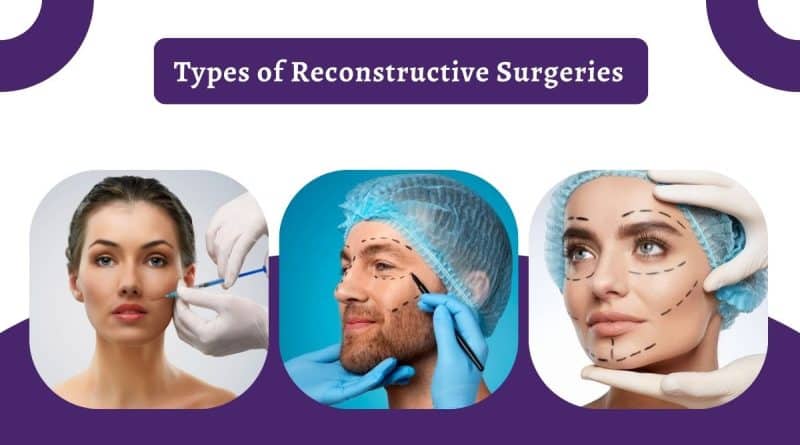
What Type of Reconstructive Surgery Do You Need? A Detailed Overview

What Type of Reconstructive Surgery Do You Need? A Detailed Overview

Reconstructive surgery plays a vital role in restoring function, appearance, and confidence after injury, illness, or congenital deformities. Unlike cosmetic procedures, reconstructive surgeries are medically necessary and often life-changing. India has become a global hub for advanced reconstructive procedures, with many patients choosing the Best Reconstructive Surgery Hospital in India for expert care, advanced technology, and experienced surgeons.

In this blog, we explore the major types of reconstructive surgeries and when you may need them.

1. Breast Reconstruction Surgery

Breast reconstruction is one of the most common reconstructive procedures performed after a mastectomy or lumpectomy due to breast cancer. It helps restore the natural shape, size, and symmetry of the breast.

You may need breast reconstruction if:

  • You have undergone breast cancer surgery
  • You wish to restore your natural body silhouette
  • You want to improve confidence and emotional well-being

Hospitals recognized as the Best Plastic Surgery Hospital in India offer advanced options such as implant-based reconstruction, flap reconstruction, and nipple reconstruction.

2. Trauma Reconstruction Surgery

Accidents, burns, fractures, and severe injuries often damage soft tissues, bones, or nerves. Reconstruction helps restore function and appearance after trauma.

You may need trauma reconstruction if:

  • You have deep wounds or tissue loss
  • You suffered facial injuries or fractures
  • You require limb salvage after severe trauma
  • Burns have caused skin tightening or deformity

Trauma reconstruction may involve skin grafting, microsurgery, bone reconstruction, and flap procedures.

3. Congenital Defect Reconstruction

Some individuals are born with facial or body deformities that require correction for proper functionality and improved appearance.

Common congenital reconstructions include:

  • Cleft lip and palate repair
  • Ear reconstruction (Microtia)
  • Hand deformity correction
  • Craniofacial reconstruction

These surgeries are often performed in stages and significantly improve quality of life.

4. Reconstructive Microsurgery

Microsurgery involves reconnecting tiny blood vessels and nerves using high-powered microscopes. It is used to transfer tissues from one part of the body to another for reconstruction.

You may need microsurgery if:

  • You require free-flap reconstruction after cancer removal
  • You have lost tissue due to trauma
  • Limb salvage is needed
  • You need reconstruction that requires nerve repair

Microsurgery is a specialized field, offered mainly at the Best Reconstructive Surgery Hospital in India due to its complexity and precision.

5. Skin Grafting & Tissue Expansion

These are common procedures used in burn reconstruction or after removal of large tumors.

You may need these procedures if:

  • You suffered severe burns
  • You have large wounds that cannot heal on their own
  • You require additional skin for reconstructive surgery

Tissue expansion gradually stretches the skin, allowing surgeons to create extra skin for reconstruction.

6. Facial Reconstruction Surgery

Facial reconstruction helps restore facial symmetry and functionality after trauma, congenital defects, or cancer removal.

Common procedures include:

  • Jaw reconstruction
  • Nasal reconstruction
  • Eyelid and lip reconstruction
  • Facial nerve repair

These surgeries are essential for both aesthetics and critical functions like breathing, speaking, and eating.

7. Hand Reconstruction Surgery

Hands are essential for daily activities, and injuries or deformities can limit movement significantly.

You may need hand reconstruction for:

  • Finger deformities
  • Nerve or tendon injuries
  • Birth defects
  • Joint damage
  • Amputation injuries

Hand reconstruction often combines orthopedics and plastic surgery for optimal results.

Choosing the Right Hospital Matters

Reconstructive surgery requires precision, experience, and advanced medical infrastructure. Whether it’s breast reconstruction, trauma repair, or microsurgery, selecting the Best Plastic Surgery Hospital in India ensures safer outcomes and better recovery.

A top-tier hospital will provide:

  • Skilled surgeons with microsurgery expertise
  • Modern equipment and 3D surgical planning
  • Advanced rehabilitation support
  • Personalized treatment plans

Final Words

Reconstructive surgery is more than restoring appearance—it helps individuals regain their confidence, mobility, and overall quality of life. If you are facing a medical condition that requires reconstruction, consulting specialists at the Best Reconstructive Surgery Hospital in India can help you make the right decision.
Understanding the Difference between Cosmetic and Reconstructive Plastic Surgery

The word “plastic surgery” originated from the Greek word “plastikos,” which means “shape” or “mold.” This medical field is primarily divided into two major sub-grains—reconstructive surgery and cosmetic (aesthetic) surgery. Both are under plastic surgery, but their purpose and process vary.

Plastic surgery is often seen only as a beauty-enhancing process, but this notion is incomplete. In fact, plastic surgery is divided into two major branches—cosmetic (aesthetic) surgery and reconstructive surgery. Both have their own different purposes, techniques, and benefits.

Although both these processes fall under plastic surgery and sometimes use the same surgical techniques, their purpose, insurance coverage, and patient expectations are different.

In this blog, we will understand the main difference between these two types of surgery so that you can make an informed and intelligent decision.

What is plastic surgery?

Plastic surgery is a surgical expertise that is related to improving, reconstructing, or changing the body structure. It is mainly divided into two parts

Cosmetic surgery: It is done to improve the body’s texture or form.

Reconstructive surgery: it is done to compensate for damage caused by injury, illness, or congenital defects.

Let us now understand these two in detail.

What is cosmetic plastic surgery?

Cosmetic surgery is an alternative process that is performed to improve a person’s outline, give a new shape to body parts, or reduce age effects. It is not medical care but is based on the person’s own choice.

Common objectives of cosmetic surgery:

  • Facial structure (balance)
  • Body contouring
  • Enhance skin texture and tone
  • Reduce signs of aging

Major procedures of cosmetic surgery:

  • Facelift: Reducing facial wrinkles and skin looseness
  • Rhinoplasty (Nasal Surgery): Nasal Size
  • Liposuction: Removal of unwanted fat from the body
  • Breast Augmentation: Increase the size of the breasts
  • Botox and Fillers: Non-surgical measures to reduce wrinkles and give volume to the face

Who conducts cosmetic surgery?

People of all ages choose cosmetic surgery. Some people want to improve their looks, while some want to improve or improve special features. Mostly inspiration is related to self-confidence, body image, or age.

Important things

  • These procedures are usually not covered by insurance
  • It is necessary to be mentally prepared and to have realistic expectations
  • Certified specialists are the safest to do with surgeons

Reconstructive plastic surgery: re-establishment of work and form

The purpose of reconstructive surgery is to improve deformities caused by treatments such as injury, disease, congenital deformity, or cancer. This surgery is usually required from a medical point of view.

Objective

  • Restoring the body’s ability to function
  • Repairing deformities and injuries
  • Improving the quality of life

General reconstructive procedures

  • Cleft lip and palette surgery
  • Breast Reconstruction (after Mastectomy)
  • Scar revision and skin grafting
  • Hand surgery
  • Burn reconstruction
  • Facial Fracture and Trauma Surgery

Who needs reconstructive surgery?

Patients who have been born with defects, who are suffering from an accident, or who need surgery after diseases like cancer need this type of surgery. These processes are helpful in making life better and normal.

Important things

  • This surgery is often covered by insurance
  • Many times surgery has to be done in several stages
  • Along with functional improvement, beauty is also noted

What is the combination of plastic and cosmetic surgery

Although the purposes of these two are different, sometimes they meet each other. For example, in breast reconstruction, not only is the physical structure restored, but

It also connects emotionally to the patient. Similarly, cosmetic techniques in facial trauma surgery are used for better beauty results.

Many plastic surgeons are trained in both areas, which allows them to use cosmetic techniques even in reconstructive surgery.

How to choose the right plastic surgeon?

Whether you want a beauty growth or to repair a pathology, the choice of the right surgeon is very important. A qualified and experienced plastic surgeon not only ensures safety but also improves results.

Purple Heron Hospitals is India’s most advanced center for plastic and cosmetic surgery in Jaipur.

What to keep in mind:

  • Board certification in plastic surgery
  • Specialization and experience in that process
  • Successful examples of previous surgery (Portfolio)
  • Honest patient reviews and praise
  • Faith and spontaneity during counseling

Consulting and doing research are helpful in making better decisions.

Conclusion

Understanding the difference between cosmetic and reconstructive plastic surgery is necessary for all those who are considering any type of surgery. While cosmetic surgery focuses on enhancing beauty, reconstructive surgery works to restore the function and form of the body.

Both types of surgery deeply affect the lives of patients—helping to increase impression, improve physical health, and restore dignity. If you are considering surgery, please consult a reliable and experienced surgeon.

Plastic surgery is not just an external change—it is a combination of science, art, and sympathy that touches life deeply.