

Joint pain can make everyday activities challenging. Simple tasks such as walking, climbing stairs, sitting for long periods, or enjoying recreational activities may become difficult when knee or hip joints are severely affected by arthritis or other degenerative conditions.
Over the past few years, robotic joint replacement has gained significant attention as an advanced approach that helps improve precision, personalization, and patient outcomes. As healthcare technology continues to evolve, more individuals are exploring robotic-assisted procedures to achieve better mobility and long-term relief from joint pain.
But what exactly is robotic joint replacement, and why is it becoming the preferred choice for many patients?
Understanding Robotic Joint Replacement
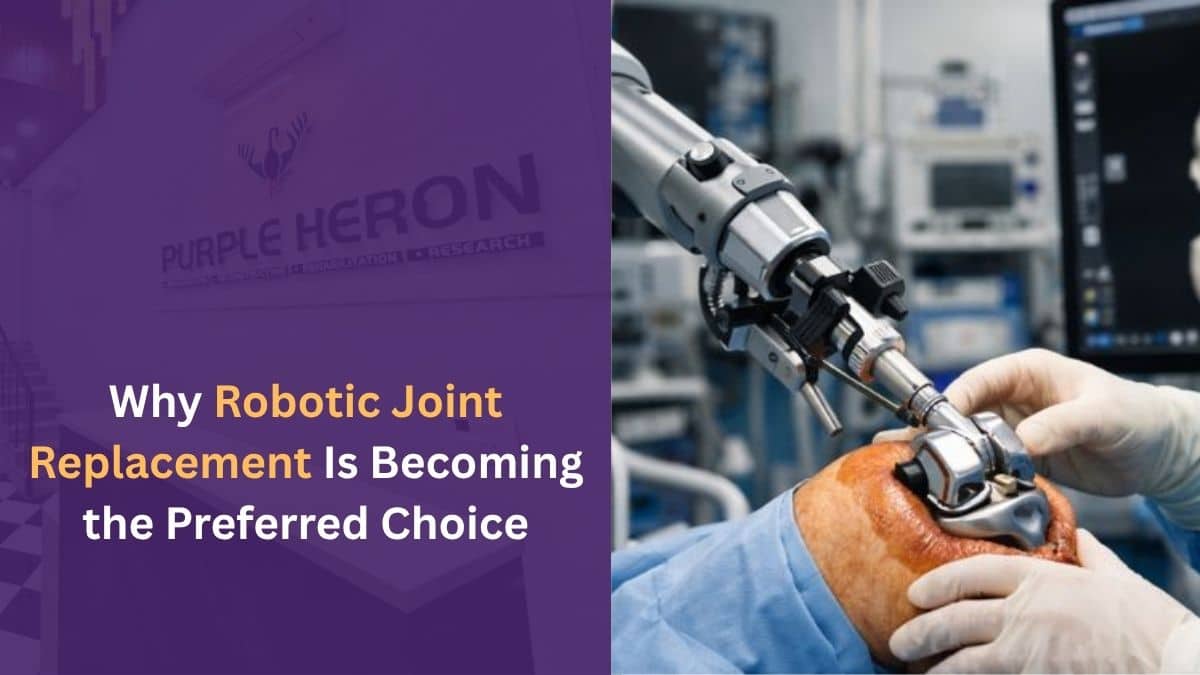
Robotic Joint Replacement is an advanced procedure that uses computer-assisted technology to support treatment planning and implant positioning during joint replacement procedures.
Despite the term “robotic,” the technology does not work independently. Instead, it assists healthcare professionals by providing detailed information about the patient’s anatomy, helping ensure greater precision throughout the procedure.
The system creates a highly detailed 3D representation of the affected joint, allowing treatment planning to be customized according to each patient’s unique anatomy.
Why Precision Matters in Joint Replacement
The long-term success of joint replacement depends on several factors, including proper implant positioning and joint alignment.
Even small differences in alignment can affect:
- Joint movement
- Stability
- Comfort
- Recovery
- Implant longevity
Robotic technology helps improve accuracy, which may contribute to better function and overall patient satisfaction.
Key Reasons Why Robotic Joint Replacement Is Becoming More Popular
1. Personalized Treatment Planning
No two patients have identical joints. Every individual has unique bone structure, joint shape, and movement patterns.
Robotic technology allows healthcare teams to:
- Assess joint anatomy in detail
- Plan treatment based on individual needs
- Determine appropriate implant positioning
- Customize the procedure for improved outcomes
This personalized approach is one of the major reasons patients are increasingly considering robotic-assisted joint replacement.
2. Enhanced Accuracy
One of the biggest advantages of robotic joint replacement is precision.
Advanced software provides real-time information during the procedure, helping ensure that the treatment plan is followed accurately.
Potential benefits of improved accuracy include:
- Better joint alignment
- Improved movement
- Enhanced stability
- Reduced stress on surrounding structures
- Better long-term function
Accurate implant placement plays a crucial role in overall recovery and satisfaction.
3. Better Preservation of Healthy Tissue
Robotic technology allows for more controlled and targeted treatment.
This precision can help reduce unnecessary disruption to surrounding healthy tissues, including muscles and ligaments.
Benefits may include:
- Reduced tissue trauma
- Less postoperative discomfort
- Improved mobility during recovery
- Enhanced rehabilitation outcomes
Preserving healthy structures around the joint is an important aspect of modern joint care.
4. Faster Recovery Potential
Recovery is one of the most important concerns for patients considering joint replacement.
While every individual heals differently, robotic-assisted procedures may contribute to:
- Earlier movement
- Improved rehabilitation progress
- Reduced hospital stay in some cases
- Faster return to daily activities
Combined with a structured rehabilitation program, patients may experience a smoother recovery journey.
5. Improved Joint Function
The ultimate goal of joint replacement is to restore comfortable movement and improve quality of life.
Because robotic technology helps optimize implant positioning and alignment, many patients experience:
- Improved walking ability
- Better joint flexibility
- Greater confidence during movement
- Increased independence in daily activities
Enhanced joint function can significantly improve overall well-being.
6. Better Long-Term Outcomes
Accurate positioning of joint implants can help distribute forces more evenly across the joint.
This may contribute to:
- Reduced implant wear
- Improved durability
- Better long-term performance
- Reduced risk of future complications
As a result, many patients view robotic-assisted procedures as a long-term investment in their mobility and health.
Conditions That May Require Joint Replacement
Joint replacement may be recommended for individuals experiencing severe joint damage due to:
Osteoarthritis
The most common cause of joint replacement, osteoarthritis, leads to gradual wear and tear of joint cartilage.
Rheumatoid Arthritis
Inflammatory joint conditions can damage cartilage and surrounding tissues, causing chronic pain and stiffness.
Post-Traumatic Arthritis
Joint damage resulting from previous injuries may lead to persistent pain and reduced mobility.
Degenerative Joint Disease
Age-related degeneration can affect joint function and quality of life over time.
Robotic Joint Replacement vs Conventional Joint Replacement
Conventional Approach
Traditional joint replacement methods rely on standard surgical instruments and manual alignment techniques.
Robotic-Assisted Approach
Robotic technology adds:
- Detailed pre-procedure planning
- Real-time guidance
- Personalized treatment mapping
- Enhanced precision
Both approaches can be effective, but robotic-assisted techniques offer additional technological support aimed at improving accuracy and consistency.
Is Robotic Joint Replacement Safe?
Robotic Joint Replacement has been widely adopted in advanced healthcare settings and is considered a safe option for eligible patients.
The technology serves as an assistive tool that enhances planning and procedural precision while remaining under the control of trained healthcare professionals throughout the process.
Who May Benefit from Robotic Joint Replacement?
You may be a suitable candidate if you have experience:
- Persistent knee pain
- Chronic hip pain
- Joint stiffness
- Difficulty walking
- Reduced mobility
- Limited response to medications
- Difficulty performing daily activities
A comprehensive evaluation can help determine the most appropriate treatment approach based on your symptoms, imaging findings, and lifestyle goals.
The Role of Rehabilitation After Joint Replacement
Successful outcomes depend not only on the procedure itself but also on rehabilitation.
A structured rehabilitation program may include:
- Mobility exercises
- Strength training
- Balance improvement
- Gait training
- Pain management strategies
- Functional restoration exercises
Rehabilitation helps patients regain confidence, independence, and long-term joint function.
Tips for a Successful Recovery
To maximize recovery after joint replacement:
- Follow rehabilitation instructions carefully
- Stay physically active as advised
- Maintain a healthy body weight
- Attend follow-up appointments
- Practice prescribed exercises regularly
- Focus on long-term joint health
Consistency during recovery often leads to better outcomes.
The Future of Joint Care
Advancements in robotic technology continue to improve the way joint conditions are managed. As technology becomes more sophisticated, patients can expect increasingly personalized treatment approaches, improved precision, and enhanced recovery experiences.
The integration of advanced technology with rehabilitation-focused care represents an important step forward in helping individuals regain mobility and live more active lives.
Conclusion
Robotic Joint Replacement is becoming the preferred choice because it combines advanced technology, personalized treatment planning, improved precision, and enhanced recovery potential. For individuals struggling with chronic knee or hip pain, robotic-assisted joint replacement offers a modern approach designed to improve mobility, reduce discomfort, and support long-term joint function.
When combined with expert rehabilitation and comprehensive musculoskeletal care, robotic joint replacement can help patients return to the activities they enjoy and achieve a better quality of life.