

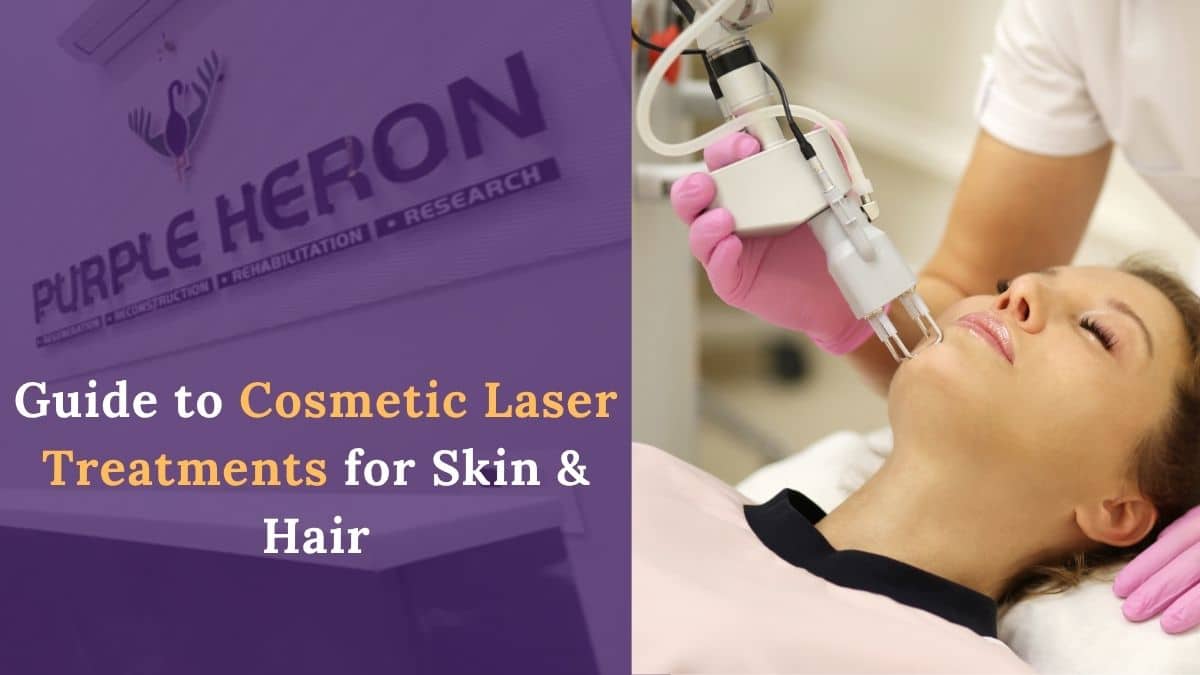
Cosmetic laser treatments have transformed modern dermatology and aesthetic medicine. From reducing unwanted hair to improving acne scars, pigmentation, wrinkles, and skin texture, laser technology offers safe, effective, and minimally invasive solutions for a wide range of skin and hair concerns.
Today, cosmetic laser procedures are among the most popular aesthetic treatments because they provide noticeable results with less downtime compared to traditional surgical methods. Whether you want smoother skin, youthful appearance, scar reduction, or long-term hair removal, understanding different laser treatments can help you choose the right option for your needs.
In this complete guide, we will explore different types of cosmetic laser treatments, their benefits, uses, procedure details, recovery, and precautions.
What Are Cosmetic Laser Treatments?
Cosmetic laser treatments use focused beams of light energy to target specific skin or hair concerns. Different laser wavelengths penetrate the skin at different depths to treat pigmentation, scars, hair follicles, wrinkles, blood vessels, or damaged skin cells.
These treatments are commonly performed by dermatologists or aesthetic specialists using advanced medical-grade laser devices.
Laser treatments can help with:
- Unwanted hair removal
- Acne scars
- Pigmentation and dark spots
- Fine lines and wrinkles
- Skin tightening
- Tattoo removal
- Stretch marks
- Uneven skin tone
- Sun damage
- Rosacea and redness
How Do Cosmetic Lasers Work?
Lasers work by delivering concentrated light energy into targeted tissues without damaging surrounding skin. The laser energy is absorbed by specific pigments, hair follicles, or water molecules in the skin.
Depending on the treatment type, lasers may:
- Destroy hair follicles
- Stimulate collagen production
- Remove damaged skin layers
- Break down pigmentation
- Tighten skin tissues
- Reduce vascular lesions
The choice of laser depends on your skin type, concern, and treatment goals.
Types of Cosmetic Laser Treatments
1. Laser Hair Removal
Laser hair removal is one of the most commonly performed cosmetic procedures worldwide. It targets hair follicles using laser energy to reduce unwanted hair growth.
Common Treatment Areas
- Face
- Upper lip
- Chin
- Underarms
- Arms and legs
- Bikini area
- Chest and back
Benefits
- Long-term hair reduction
- Smoother skin
- Reduced ingrown hairs
- Fast and minimally painful procedure
Sessions Required
Most people require 6–8 sessions for optimal results because hair grows in different cycles.
Best Suitable For
People with dark hair and lighter skin generally respond best, although newer lasers can safely treat darker skin tones as well.
2. Laser Skin Rejuvenation
Laser skin rejuvenation improves overall skin quality by stimulating collagen production and removing damaged skin cells.
It Helps Treat
- Dull skin
- Uneven skin tone
- Fine lines
- Mild pigmentation
- Enlarged pores
Popular Technologies
- Fractional CO2 Laser
- Erbium Laser
- Non-ablative lasers
Benefits
- Improved skin texture
- Youthful glow
- Better elasticity
- Reduced signs of aging
3. Laser Treatment for Acne Scars
Acne scars can affect confidence and skin appearance. Laser treatments help resurface the skin and stimulate collagen remodeling.
Types of Acne Scars Treated
- Boxcar scars
- Rolling scars
- Ice-pick scars
- Post-acne pigmentation
Common Lasers Used
- Fractional CO2 Laser
- RF Microneedling with laser technology
- Erbium lasers
Benefits
- Smoother skin texture
- Reduced scar depth
- Improved skin tone
- Long-lasting results
Several sessions may be required depending on scar severity.
4. Pigmentation and Dark Spot Removal
Laser treatments are highly effective for reducing excess pigmentation caused by sun damage, melasma, aging, or acne marks.
Conditions Treated
- Sunspots
- Age spots
- Freckles
- Melasma
- Post-inflammatory pigmentation
Common Laser Technologies
- Q-switched Nd:YAG Laser
- Pico Laser
- Fractional lasers
Benefits
- Brighter complexion
- Even skin tone
- Reduction in stubborn pigmentation
Sun protection is essential after pigmentation laser procedures.
5. Anti-Aging Laser Treatments
Laser therapy is widely used for reducing visible signs of aging without surgery.
Concerns Addressed
- Fine lines
- Wrinkles
- Loose skin
- Crow’s feet
- Sagging
Popular Treatments
- Fractional lasers
- Skin tightening lasers
- CO2 resurfacing lasers
Benefits
- Collagen stimulation
- Firmer skin
- Younger-looking appearance
- Improved skin texture
Results gradually improve over several weeks as collagen production increases.
6. Laser Skin Tightening
Laser skin tightening is a non-surgical procedure that heats deeper skin layers to stimulate collagen and elastin production.
Common Areas Treated
- Face
- Neck
- Jawline
- Abdomen
- Arms
Benefits
- Tighter skin
- Reduced sagging
- Better facial contour
- Minimal downtime
This treatment is ideal for mild to moderate skin laxity.
7. Tattoo Removal Laser Treatment
Laser tattoo removal breaks down tattoo ink particles, which are gradually cleared by the body.
Factors Affecting Results
- Tattoo size
- Ink color
- Depth of ink
- Age of tattoo
Common Laser Used
- Q-switched Laser
- Pico Laser
Sessions Required
Multiple sessions are needed depending on tattoo complexity.
8. Laser Treatment for Stretch Marks
Certain laser technologies help reduce the appearance of stretch marks by promoting collagen remodeling.
Benefits
- Improved skin texture
- Reduced discoloration
- Smoother appearance
Early stretch marks generally respond better to treatment.
Benefits of Cosmetic Laser Treatments
Cosmetic laser procedures offer several advantages:
- Non-surgical treatment options
- Minimal downtime
- Improved skin appearance
- Long-lasting results
- Precision targeting
- Stimulates natural collagen production
- Suitable for multiple skin concerns
Modern laser devices are safer and more effective than earlier technologies.
Are Cosmetic Laser Treatments Safe?
When performed by qualified dermatologists or trained professionals, cosmetic laser treatments are generally safe.
However, side effects may include:
- Redness
- Mild swelling
- Temporary sensitivity
- Peeling
- Hyperpigmentation in some cases
Choosing the right laser for your skin type is essential to minimize risks.
Who Is an Ideal Candidate?
You may be a suitable candidate if you:
- Have realistic expectations
- Are in good overall health
- Want non-surgical cosmetic improvement
- Have acne scars, pigmentation, wrinkles, or unwanted hair
A professional consultation helps determine the best treatment plan.
Pre-Treatment Care Tips
Before undergoing laser treatment:
- Avoid excessive sun exposure
- Stop tanning
- Avoid harsh skincare products
- Inform your doctor about medications
- Follow all pre-procedure instructions carefully
Post-Treatment Care
After laser procedures:
- Use sunscreen regularly
- Avoid direct sun exposure
- Keep skin moisturized
- Avoid scratching or picking treated skin
- Follow prescribed skincare routines
Proper aftercare significantly improves results and recovery.
How Many Sessions Are Needed?
The number of sessions depends on:
- Treatment type
- Skin condition
- Severity of concern
- Skin response
Some procedures show improvement after one session, while others require multiple sittings for optimal outcomes.
Choosing the Right Cosmetic Laser Treatment
Selecting the right treatment depends on:
- Your skin type
- Cosmetic concern
- Desired results
- Downtime tolerance
- Budget
Consulting an experienced dermatologist ensures safe and personalized treatment recommendations.
Conclusion
Cosmetic laser treatments have revolutionized skin and hair care by offering effective, minimally invasive solutions for a variety of aesthetic concerns. Whether you want laser hair removal, acne scar reduction, pigmentation correction, anti-aging benefits, or skin rejuvenation, modern laser technologies provide customized options for different skin needs.
With proper consultation, advanced equipment, and expert care, laser treatments can help you achieve healthier, smoother, and more youthful-looking skin with long-lasting results.
If you are considering cosmetic laser procedures, always choose a qualified and experienced dermatologist to ensure safety and optimal outcomes.