
How Pain Management Improves Quality of Life

How Pain Management Improves Quality of Life

Pain is more than just a physical sensation—it affects how we move, think, sleep, and even how we connect with others. Whether it’s short-term discomfort or long-term chronic pain, effective pain management plays a crucial role in restoring balance and improving overall quality of life.

In this blog, we’ll explore how proper pain management strategies can transform daily living and why seeking expert care—such as consulting or visiting the best pain management hospital in India—can make a lasting difference.

Understanding Pain and Its Impact

Pain is typically categorized into two main types:

  • Acute Pain: Short-term pain caused by injury, surgery, or illness
  • Chronic Pain: Long-lasting pain that persists for weeks, months, or even years

If left untreated, chronic pain can lead to:

  • Reduced mobility
  • Sleep disturbances
  • Anxiety and depression
  • Decreased productivity
  • Poor overall health

This is where pain management becomes essential.

What is Pain Management?

Pain management is a multidisciplinary approach that focuses on reducing pain and improving function. It combines medical treatments, physical therapies, psychological support, and lifestyle changes.

Common pain management techniques include:

  • Medications
  • Physical therapy
  • Interventional procedures (like injections)
  • Exercise and rehabilitation
  • Mind-body techniques (meditation, relaxation)

Seeking care from the Best Pain Management Hospital in India ensures access to advanced treatments and experienced specialists who can tailor therapies to individual needs.

Key Ways Pain Management Improves Quality of Life

1. Restores Physical Function

Effective pain management helps individuals regain mobility and strength. With reduced pain, everyday tasks like walking, working, or exercising become easier and more enjoyable.

Consulting the best musculoskeletal specialist in Jaipur can provide targeted treatments for joint, muscle, and spine-related issues.

2. Enhances Mental Well-being

Chronic pain often leads to stress, anxiety, and depression. Proper pain control reduces emotional strain and improves mood, helping individuals feel more in control of their lives.

3. Improves Sleep Quality

Pain can significantly disrupt sleep patterns. By managing pain effectively, patients can enjoy deeper, more restful sleep—leading to better energy levels and overall health.

4. Boosts Productivity and Daily Performance

When pain is reduced, focus and efficiency improve. Whether at work or home, individuals can perform tasks more effectively without constant discomfort.

5. Encourages Active Lifestyle

Pain often discourages movement, leading to a sedentary lifestyle. Pain management enables people to stay active, which is essential for maintaining long-term health.

6. Reduces Dependency on Medications

Advanced pain management techniques focus on long-term solutions rather than just temporary relief. This reduces reliance on painkillers and minimizes side effects.

Importance of Expert Care

Choosing the right specialist and healthcare facility is critical for effective pain management. The Best Pain Management Hospital in India offers:

  • Advanced diagnostic tools
  • Minimally invasive procedures
  • Personalized treatment plans
  • Multidisciplinary care teams

Similarly, consulting the Best Musculoskeletal Specialist in Jaipur ensures accurate diagnosis and targeted treatment for musculoskeletal conditions.

Lifestyle Tips to Support Pain Management

In addition to medical care, adopting healthy habits can enhance pain relief:

  • Maintain a balanced diet
  • Practice regular exercise or yoga
  • Manage stress through mindfulness
  • Follow proper posture and ergonomics
  • Get adequate sleep

Conclusion

Pain doesn’t have to control your life. With the right pain management strategies, it’s possible to regain comfort, mobility, and emotional well-being. From improving physical function to enhancing mental health, effective pain management significantly elevates quality of life.

If you or a loved one is struggling with persistent pain, consider consulting the Best Musculoskeletal Specialist in Jaipur or visiting the best pain management hospital in India for expert guidance and advanced care.

Taking the first step toward pain relief can lead to a healthier, happier, and more active life.
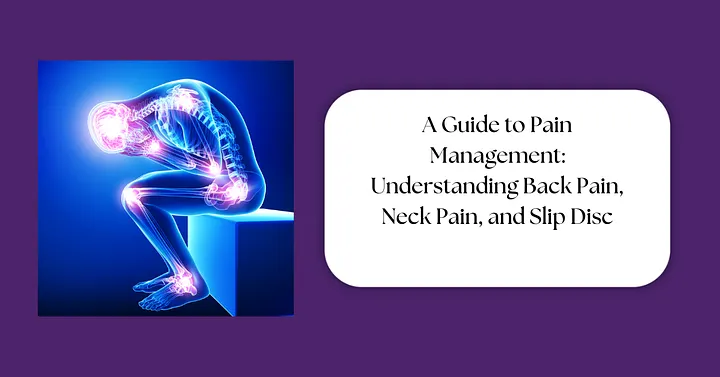
Guide to Pain Management: Understanding Back Pain, Neck Pain, and Slip Disc

Pain is an unpleasant sensation that affects millions of people worldwide. While some types of pain are temporary and subside with rest or basic treatment, chronic pain can be long-lasting and debilitating. It can significantly impact daily activities, work productivity, and overall emotional well-being.

Among the most common pain-related conditions are back pain, neck pain, and slip disc. Each of these conditions has distinct causes, symptoms, and treatment approaches. Understanding these issues at an early stage plays a crucial role in effective diagnosis and long-term pain relief.

If you are experiencing persistent discomfort, seeking care from the best pain management hospital in India can help you receive advanced treatment, expert guidance, and a personalized recovery plan.

In this blog, we will explore the different types of pain, their symptoms, causes, and the best approaches to manage them.

Understanding Back Pain

Back pain is one of the leading causes of disability worldwide. It can range from mild discomfort to severe, disabling pain that limits movement and daily activities. Back pain is one of the most common and painful problems from which a person can suffer. In this condition, you should see the best back pain treatment in Jaipur which helps you to be cure.

Symptoms of Back Pain:

1. A dull, aching sensation in the lower back
2. Sharp or stabbing pain in a specific area
3. Difficulty standing up straight or bending
4. Pain that radiates down the legs
5. Muscle tightness or spasms

Common Causes of Back Pain:

1. Poor posture and prolonged sitting
2. Muscle strain due to heavy lifting
3. Herniated or slipped disc
4. Arthritis or osteoporosis
5. Spinal stenosis (narrowing of the spinal canal)

Pain Management for Back Pain:

1. Lifestyle Modifications: Maintain good posture, use ergonomic furniture, and avoid prolonged sitting.

2. Physical Therapy: Strengthening and stretching exercises improve flexibility and reduce stiffness.

3. Medication: Pain relievers like ibuprofen or muscle relaxants can provide relief.

4. Alternative Therapies: Acupuncture, chiropractic adjustments, and massage therapy can be beneficial.

5. Surgical Interventions: In severe cases, spinal surgery or disc replacement may be needed.

Understanding Neck Pain

Neck pain is a common complaint caused by strain, poor posture, or underlying medical conditions. It can be acute (short-term) or chronic (long-term). If you are searching for the best neck pain treatment in Jaipur then you are in a good direction. Purple Heron Hospital gives you the best treatment possible.

Symptoms of Neck Pain:

1. Stiffness and reduced range of motion
2. Sharp or aching pain in the neck area
3. Pain radiating to the shoulders or arms
4. Headaches or dizziness
5. Tingling or numbness in the hands

Common Causes of Neck Pain:

1. Poor Posture: Looking down at phones or computers for long periods
2. Muscle Strain: Sleeping in an awkward position or sudden movements
3. Whiplash Injury: Often caused by car accidents
4. Cervical Spondylosis: Age-related wear and tear of the spine
5. Herniated Disc: When a disc in the cervical spine bulges or ruptures

Pain Management for Neck Pain:

1. Neck Exercises: Gentle stretching and strengthening exercises
2. Pain Relievers: Over-the-counter medications like acetaminophen or ibuprofen
3. Hot/Cold Therapy: Applying heat or ice packs to reduce inflammation
4. Posture Correction: Using an ergonomic chair and maintaining proper alignment
5. Physiotherapy: Massage therapy, traction, and ultrasound therapy for chronic pain
6. Surgery: In rare cases, cervical disc replacement or spinal fusion may be recommended

Understanding Slip Disc (Herniated Disc)

slipped disc, also known as a herniated or ruptured disc, occurs when the soft inner part of a spinal disc pushes through a crack in its outer shell. This condition can cause severe pain, especially when pressing against nerves. At this condition, you should see the best slip disc treatment in Jaipur from which you can cure properly.

Symptoms of a Slip Disc:

1. Sharp pain in the back or neck
2. Numbness or tingling in the arms, legs, or feet
3. Weakness in muscles, making it difficult to lift objects
4. Radiating pain down the legs (sciatica)
5. Increased pain after sitting, bending, or lifting

Common Causes of a Slip Disc:

1. Aging and wear-and-tear
2. Repetitive heavy lifting or sudden strain
3. Obesity, which puts extra pressure on the spine
4. Genetics, as some individuals are more prone to disc issues
5. Sedentary lifestyle with prolonged sitting

Pain Management for a Slip Disc:

1. Rest and Activity Modification: Avoid activities that worsen the pain.
2. Physical Therapy: Strengthening exercises for the core and back muscles.
3. Pain Medications: NSAIDs (like ibuprofen) and muscle relaxants.
4. Epidural Injections: Cortisone shots to reduce inflammation and pain.
5. Surgical Treatment: If the pain persists, options like discectomy (removing the herniated portion of the disc) or spinal fusion may be recommended.

General Pain Management Strategies

Regardless of the type of pain you experience, the following strategies can help manage discomfort and improve quality of life:

1. Lifestyle Changes:

  • Maintain a healthy weight to reduce pressure on the spine.
  • Engage in low-impact exercises like swimming or yoga.
  • Maintain good posture while sitting, standing, and sleeping.

2. Physical Therapy:

  • Strengthening exercises improve muscle support around affected areas.
  • Stretching helps reduce stiffness and improve mobility.
  • Manual therapy, including massage and spinal adjustments, can offer relief.

3. Medications:

  • NSAIDs and analgesics for mild pain relief.
  • Muscle relaxants for tension and spasms.
  • Corticosteroids for inflammation management.

4. Alternative Therapies:

  • Acupuncture: Stimulates nerves to reduce pain.
  • Chiropractic Care: Aligns the spine to relieve tension.
  • Mindfulness & Meditation: Reduces stress-related pain.

When to See a Doctor

If pain persists for more than a few weeks or worsens over time, it’s important to seek medical attention. Warning signs include:

  • Severe pain that does not improve with rest
  • Pain radiating down the arms or legs
  • Numbness, tingling, or muscle weakness
  • Loss of bladder or bowel control (a sign of serious nerve compression)

A musculoskeletal specialist can diagnose the underlying cause through X-rays, MRI scans, and nerve conduction tests and provide a customized treatment plan.

Conclusion

Pain, whether in the back, neck, or due to a slip disc, can be debilitating, but with the right knowledge and treatment, it can be managed effectively. Adopting healthy lifestyle habits, seeking timely medical intervention, and exploring both traditional and alternative treatments can lead to long-term pain relief.

If you or someone you know is struggling with chronic pain, don’t ignore it. Consult a pain management specialist to find the right treatment and take the first step towards a pain-free life.

Is a Pain Management Hospital Right for Your Condition?

Living with constant pain can affect your work, sleep, mobility, and emotional well-being. While occasional pain can be managed with rest or medication, chronic or severe pain often requires specialized care. This is where the Best Pain Management Hospital in India can make a real difference.

But how do you know if a pain management hospital is right for your condition? Let’s understand in detail.

What is a Pain Management Hospital?

A pain management hospital is a specialized healthcare center focused on diagnosing, treating, and managing different types of acute and chronic pain. Unlike general hospitals, these centers use a multidisciplinary approach that includes:

  • Pain physicians
  • Orthopedic and spine specialists
  • Neurologists
  • Physiotherapists
  • Rehabilitation experts

Hospitals like Purple Heron Hospitals offer advanced pain relief treatments using modern technology and personalized care plans.

Conditions Treated at a Pain Management Hospital

You may benefit from visiting the best pain management hospital in India if you are suffering from:

1. Chronic Back and Neck Pain

Persistent spine pain due to disc issues, nerve compression, or poor posture.

2. Joint and Musculoskeletal Disorders

Conditions such as arthritis, frozen shoulder, ligament injuries, and sports injuries often require care from the Best Musculoskeletal Specialist in Jaipur for targeted treatment.

3. Sciatica and Nerve Pain

Burning, tingling, or shooting pain in the legs or arms may indicate nerve involvement.

4. Cancer-Related Pain

Cancer pain requires expert and compassionate management.

5. Post-Surgical or Injury-Related Pain

If pain continues even after surgery or injury recovery, specialized evaluation is necessary.

Signs You Should Consider a Pain Management Hospital

You should consider consulting a specialized hospital if:

  • Pain lasts longer than 3 months
  • Pain is interfering with daily activities
  • Regular painkillers are not effective
  • You want to avoid major surgery
  • Your condition requires advanced diagnostics

Early intervention can prevent long-term disability and improve quality of life.

How is a Pain Management Hospital Different?

A general hospital may treat symptoms temporarily, but a dedicated pain management center focuses on:

Accurate Diagnosis

Using MRI, CT scans, nerve conduction studies, and clinical evaluation.

Personalized Treatment Plans

Each patient receives a customized plan depending on their condition, age, and lifestyle.

Advanced Non-Surgical Treatments

  • Epidural injections
  • Radiofrequency ablation
  • Nerve blocks
  • Regenerative therapies
  • Physiotherapy and rehabilitation

At Purple Heron Hospitals, specialists work together to address the root cause of pain instead of just masking symptoms.

Role of a Musculoskeletal Specialist

If your pain is related to bones, joints, muscles, or ligaments, consulting the Best Musculoskeletal Specialist in Jaipur is essential. These experts specialize in:

  • Sports injuries
  • Arthritis management
  • Joint degeneration
  • Tendon and ligament problems
  • Chronic inflammatory conditions

Their goal is to restore mobility, reduce inflammation, and improve function without unnecessary surgery.

Who Should Not Delay Treatment?

You should not delay visiting the Best Pain Management Hospital in India if:

  • Pain radiates to the arms or legs
  • You experience numbness or weakness
  • Pain disturbs your sleep regularly
  • Your job requires physical activity
  • Pain affects mental health

Delaying treatment may worsen the condition and complicate recovery.

Benefits of Choosing the Right Pain Management Hospital

Choosing an advanced center like Purple Heron Hospitals offers:

  • Multidisciplinary care under one roof
  • Latest pain relief technologies
  • Expert evaluation by the Musculoskeletal Specialist
  • Reduced dependency on long-term medication
  • Improved quality of life

Final Thoughts

If your pain is persistent, worsening, or limiting your daily life, visiting a specialized pain management center can be the right decision. The Best Pain Management Hospital in India focuses on long-term relief, accurate diagnosis, and holistic recovery rather than temporary symptom control.

Hospitals like Purple Heron Hospitals combine expertise, advanced treatment options, and patient-centered care to help you regain comfort and mobility.

Don’t ignore chronic pain. The right treatment at the right time can change your life.