

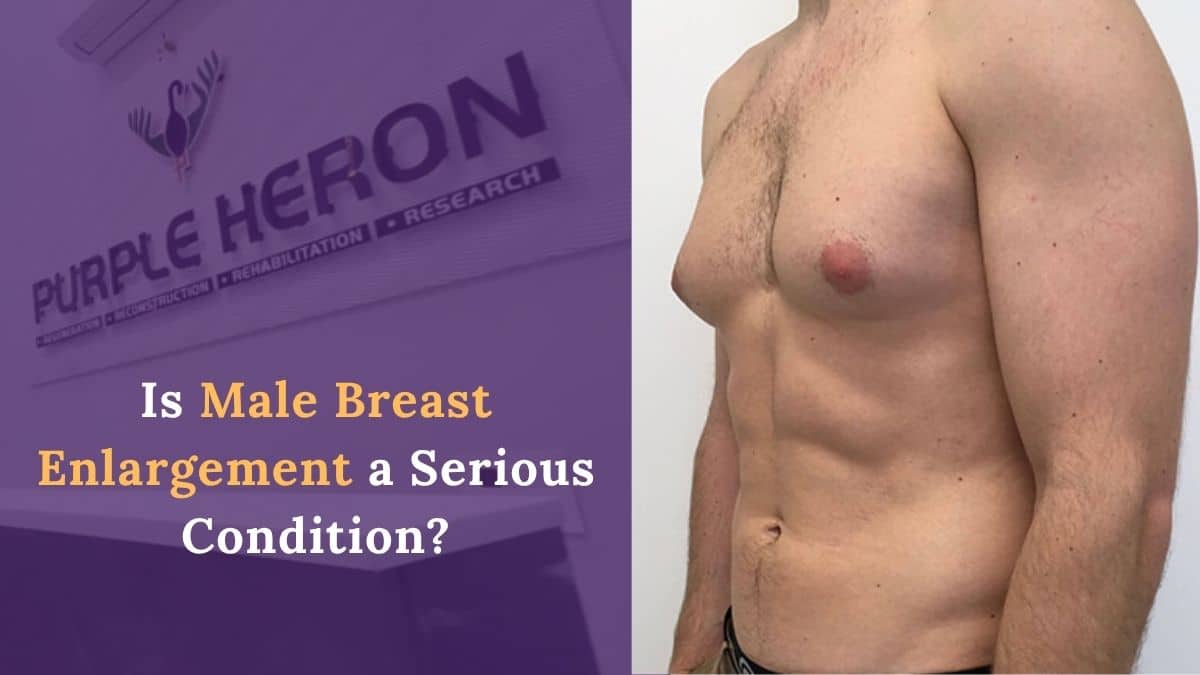
Male breast enlargement, medically known as gynecomastia, is a common condition that affects men of different age groups. It occurs when breast tissue in males becomes enlarged due to hormonal imbalance, weight gain, certain medications, or underlying health conditions.
While many cases are harmless, some men may experience physical discomfort, emotional distress, and reduced self-confidence because of enlarged breasts. In rare situations, male breast enlargement may also indicate an underlying medical issue that requires attention.
Understanding the causes, symptoms, and treatment options can help determine whether gynecomastia is a serious condition and when medical evaluation is necessary.
What Is Male Breast Enlargement (Gynecomastia)?
Gynecomastia refers to the enlargement of glandular breast tissue in males. It may affect one or both breasts and can occur during:
- Infancy
- Puberty
- Adulthood
- Older age
The condition usually develops due to an imbalance between the hormones testosterone and estrogen.
It is important to understand that gynecomastia is different from chest fat caused by obesity. True gynecomastia involves growth of breast gland tissue, while excess chest fat is called pseudogynecomastia.
Is Male Breast Enlargement Dangerous?
In most cases, male breast enlargement is not dangerous or life-threatening. However, it should not always be ignored because it can sometimes be linked to:
- Hormonal disorders
- Liver disease
- Kidney disease
- Thyroid problems
- Medication side effects
- Obesity
- Steroid use
- Rare tumors
Although breast cancer in men is uncommon, any unusual lump, nipple discharge, or severe asymmetrical enlargement should be evaluated by a doctor.
Common Causes of Male Breast Enlargement
1. Hormonal Imbalance
The most common cause of gynecomastia is hormonal imbalance. When estrogen levels increase or testosterone levels decrease, breast tissue may enlarge.
Hormonal changes commonly occur during:
- Puberty
- Aging
- Certain medical conditions
2. Obesity
Excess body fat increases estrogen production, which may contribute to breast enlargement in men.
Obesity can also cause fat accumulation in the chest area, making breasts appear larger.
3. Medications
Certain medicines may trigger gynecomastia, including:
- Steroids
- Anti-anxiety medications
- Some antibiotics
- Heart medications
- Anti-ulcer drugs
- Chemotherapy medicines
4. Steroid and Alcohol Use
Anabolic steroids, alcohol abuse, and recreational drugs may affect hormone levels and lead to breast enlargement.
5. Medical Conditions
Certain health problems can increase the risk of gynecomastia, such as:
- Liver disease
- Kidney failure
- Thyroid disorders
- Testicular disorders
- Tumors affecting hormone production
Symptoms of Gynecomastia
Symptoms may vary depending on severity.
Common Signs Include:
- Enlarged breast tissue
- Swelling around nipples
- Tenderness or pain
- Soft or rubbery lump under the nipple
- Uneven breast enlargement
In some men, the condition may only cause cosmetic concerns without pain.
When Should You Worry About Male Breast Enlargement?
You should consult a doctor if you notice:
- Rapid breast enlargement
- Painful swelling
- Hard lump in the breast
- Nipple discharge
- Skin changes around the breast
- Enlargement only on one side
- Persistent symptoms lasting several months
These symptoms may require further medical evaluation.
Emotional and Psychological Impact
Although gynecomastia is usually not medically dangerous, it can significantly affect mental health and self-esteem.
Many men experience:
- Embarrassment
- Anxiety
- Low confidence
- Social withdrawal
- Avoidance of gyms or swimming
Teenagers and young adults are particularly affected emotionally by visible chest enlargement.
How Is Male Breast Enlargement Diagnosed?
Diagnosis usually includes:
Medical History
Doctors ask about:
- Symptoms
- Medications
- Weight changes
- Lifestyle habits
- Steroid or alcohol use
Physical Examination
The chest is examined to differentiate between fat accumulation and glandular tissue enlargement.
Blood Tests
Hormone tests may help identify underlying causes.
Imaging Tests
Sometimes ultrasound or mammography may be recommended.
Treatment Options for Male Breast Enlargement
Treatment depends on the cause and severity.
1. Lifestyle Changes
For mild cases related to obesity:
- Weight loss
- Regular exercise
- Healthy diet
may help reduce chest fat.
2. Stopping Triggering Medications
If medications are responsible, doctors may adjust or change them.
3. Hormonal Treatment
In selected cases, medicines may help correct hormonal imbalance.
4. Gynecomastia Surgery
When enlargement does not improve naturally or causes emotional distress, surgery may be recommended.
Common Procedures Include:
- Liposuction
- Gland excision surgery
- Combination procedures
Surgery helps create a flatter and more masculine chest contour.
Can Gynecomastia Go Away Naturally?
Yes, some cases—especially during puberty—may resolve on their own within months or years.
However, long-standing gynecomastia may not disappear naturally and may require treatment.
Can Exercise Cure Male Breast Enlargement?
Exercise helps reduce overall body fat, but it cannot completely remove glandular breast tissue caused by true gynecomastia.
Chest workouts may improve appearance, but persistent glandular enlargement often requires medical treatment.
Tips to Reduce the Risk of Gynecomastia
You can lower the risk by:
- Maintaining healthy weight
- Avoiding anabolic steroids
- Limiting alcohol intake
- Exercising regularly
- Managing hormonal disorders
- Following medical advice regarding medications
Conclusion
Male breast enlargement is usually not a dangerous condition, but it should not always be ignored. While many cases are caused by harmless hormonal changes or obesity, some may indicate underlying medical problems that require treatment.
Persistent enlargement, pain, lumps, or emotional distress should be evaluated by a qualified doctor. Early diagnosis helps identify the cause and provides appropriate treatment options, including lifestyle changes, medications, or gynecomastia surgery when needed.
If male breast enlargement is affecting your physical comfort or self-confidence, seeking professional medical guidance can help you regain both health and confidence.