

Best breast augmentation hospital in Jaipur: Restores confidence with care

Best breast augmentation hospital in Jaipur: Restores confidence with care

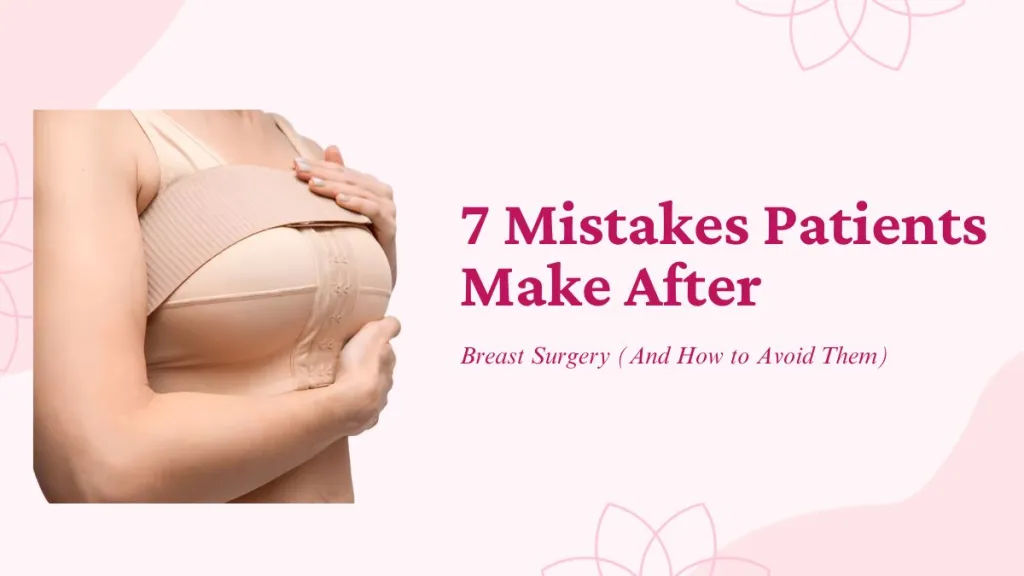
Breast augmentation is one of the most popular cosmetic processes among women in today’s time. It not only helps in enhancing beauty but also improves the symbolism and also enhances confidence. If you are looking for the best breast augmentation surgery hospital in Jaipur, then it is necessary that you choose a hospital that provides expertise, advanced technology, and patient-focused care.

Why choose breast augmentation?

Women conduct breast exams for various reasons. Some want to bring back the volume of the breasts after pregnancy or weight loss, while some want to improve or get a more balanced body silhouette. Modern breast augmentation techniques are safe and effective, including silicon or saline implants, fat transfer, and minimally invasive techniques.

Important aspects of choosing the right hospital

When you are looking for the best hospital for breast augmentation in Jaipur, the following things can help:

Experienced surgeons: Board-certified plastic surgeons that specialize in breast surgery.

Advanced technology: Modern imaging, ultrasound, and surgical equipment use increases safety and accuracy.

Extensive Care: Preoperative consultation, postoperative follow-up, and recovery support.

Real patient experience: Patients’ reviews and success stories show the credibility of the hospital.

Why Purple Heron Hospital is different

In Jaipur, Purple Heron Hospital is considered to be a leader in breast augmentation surgery. With specialist surgeons such as Dr. Nitesh Lamoria, this hospital offers a great mix of advanced technology and sympathetic care. Every surgery is planned keeping in mind the expectations, body structure, and safety of the patient.

This hospital emphasizes minimally invasive techniques, which reduces wounds and discomfort, and recovery is rapid. Natural and balanced results are ensured through state-of-the-art imaging and precise surgery.

Pre-operative consultation

Successful breast augmentation begins with a detailed consultation. During this time, surgeons evaluate your health status, understand your expectations, and clarify the available options.

Surgery and technology

Surgery in the top hospital is performed with modern anesthesia and sterile techniques. Advanced implants, ultrasound, and precise equipment help to give safe, accurate, and natural results to surgery.

Post-operative care and recovery

Post-surgery care is important for best results. Patients are given complete information about wound care, boundaries of activities, and follow-up appointments. Most of the patients return to normal activities in a few weeks with the right care.

Safety and satisfaction

It is very important to select a hospital emphasizing security and quality. Certification, infection control protocols, and experienced nursing staff reduce the risk of complications. High patient satisfaction rates and positive reviews are evidence of the hospital’s reliability.

Cost idea

Many people ask for prices, like what is the cost of breast augmentation in Jaipur?Although the cost is important, it should not be the primary factor. The best breast augmentation hospital in Jaipur offers a balanced price with quality and safety. Many hospitals also offer transparent values and easy payment plans.

Conclusion

Breast reorganization can be a life-changing process that increases confidence and improves overall goodness. You can ensure the best results by selecting a trusted hospital with expert surgeons, advanced technology, and patient-focused care.

If you are looking for the best breast augmentation surgery hospital in Jaipur, Purple Heron Hospital is the right choice for you. Here is a unique confluence of expertise, innovation, and sympathetic care, which begins your journey to your confidence and beautiful results.

Understanding the Difference between Cosmetic and Reconstructive Plastic Surgery

The word “plastic surgery” originated from the Greek word “plastikos,” which means “shape” or “mold.” This medical field is primarily divided into two major sub-grains—reconstructive surgery and cosmetic (aesthetic) surgery. Both are under plastic surgery, but their purpose and process vary.

Plastic surgery is often seen only as a beauty-enhancing process, but this notion is incomplete. In fact, plastic surgery is divided into two major branches—cosmetic (aesthetic) surgery and reconstructive surgery. Both have their own different purposes, techniques, and benefits.

Although both these processes fall under plastic surgery and sometimes use the same surgical techniques, their purpose, insurance coverage, and patient expectations are different.

In this blog, we will understand the main difference between these two types of surgery so that you can make an informed and intelligent decision.

What is plastic surgery?

Plastic surgery is a surgical expertise that is related to improving, reconstructing, or changing the body structure. It is mainly divided into two parts

Cosmetic surgery: It is done to improve the body’s texture or form.

Reconstructive surgery: it is done to compensate for damage caused by injury, illness, or congenital defects.

Let us now understand these two in detail.

What is cosmetic plastic surgery?

Cosmetic surgery is an alternative process that is performed to improve a person’s outline, give a new shape to body parts, or reduce age effects. It is not medical care but is based on the person’s own choice.

Common objectives of cosmetic surgery:

  • Facial structure (balance)
  • Body contouring
  • Enhance skin texture and tone
  • Reduce signs of aging

Major procedures of cosmetic surgery:

  • Facelift: Reducing facial wrinkles and skin looseness
  • Rhinoplasty (Nasal Surgery): Nasal Size
  • Liposuction: Removal of unwanted fat from the body
  • Breast Augmentation: Increase the size of the breasts
  • Botox and Fillers: Non-surgical measures to reduce wrinkles and give volume to the face

Who conducts cosmetic surgery?

People of all ages choose cosmetic surgery. Some people want to improve their looks, while some want to improve or improve special features. Mostly inspiration is related to self-confidence, body image, or age.

Important things

  • These procedures are usually not covered by insurance
  • It is necessary to be mentally prepared and to have realistic expectations
  • Certified specialists are the safest to do with surgeons

Reconstructive plastic surgery: re-establishment of work and form

The purpose of reconstructive surgery is to improve deformities caused by treatments such as injury, disease, congenital deformity, or cancer. This surgery is usually required from a medical point of view.

Objective

  • Restoring the body’s ability to function
  • Repairing deformities and injuries
  • Improving the quality of life

General reconstructive procedures

  • Cleft lip and palette surgery
  • Breast Reconstruction (after Mastectomy)
  • Scar revision and skin grafting
  • Hand surgery
  • Burn reconstruction
  • Facial Fracture and Trauma Surgery

Who needs reconstructive surgery?

Patients who have been born with defects, who are suffering from an accident, or who need surgery after diseases like cancer need this type of surgery. These processes are helpful in making life better and normal.

Important things

  • This surgery is often covered by insurance
  • Many times surgery has to be done in several stages
  • Along with functional improvement, beauty is also noted

What is the combination of plastic and cosmetic surgery

Although the purposes of these two are different, sometimes they meet each other. For example, in breast reconstruction, not only is the physical structure restored, but

It also connects emotionally to the patient. Similarly, cosmetic techniques in facial trauma surgery are used for better beauty results.

Many plastic surgeons are trained in both areas, which allows them to use cosmetic techniques even in reconstructive surgery.

How to choose the right plastic surgeon?

Whether you want a beauty growth or to repair a pathology, the choice of the right surgeon is very important. A qualified and experienced plastic surgeon not only ensures safety but also improves results.

Purple Heron Hospitals is India’s most advanced center for plastic and cosmetic surgery in Jaipur.

What to keep in mind:

  • Board certification in plastic surgery
  • Specialization and experience in that process
  • Successful examples of previous surgery (Portfolio)
  • Honest patient reviews and praise
  • Faith and spontaneity during counseling

Consulting and doing research are helpful in making better decisions.

Conclusion

Understanding the difference between cosmetic and reconstructive plastic surgery is necessary for all those who are considering any type of surgery. While cosmetic surgery focuses on enhancing beauty, reconstructive surgery works to restore the function and form of the body.

Both types of surgery deeply affect the lives of patients—helping to increase impression, improve physical health, and restore dignity. If you are considering surgery, please consult a reliable and experienced surgeon.

Plastic surgery is not just an external change—it is a combination of science, art, and sympathy that touches life deeply.

Everything You Need to Know About Eyelid (Blepharoplasty) Surgery

As our age increases, wrinkles, swelling, and looseness start appearing on the skin around our eyes. This not only affects our beauty, but sometimes it also affects our eyes. Fortunately, modern plastic surgery has an effective solution to it—eyelid surgery, called blepharoplasty in medical language.

Whether you are troubled by tired eyes or your eyes are getting affected due to loose skin, this surgery can give your eyes a young and fresh look again. In this blog, we will know what this surgery is, for which people, what its process is, how recovery is, and what you should take care of before getting it done.

What is the Blepharoplasty surgery

Blepharoplasty is a cosmetic eye surgery in which excess skin, fat, and muscles of the upper and lower eyelids are removed or repaired. This enhances the texture of the eyes, and the person’s age is less visible. This surgery is not only done to enhance beauty but also many times to fix the eye (such as if the eyelids are so difficult to see in front).

This surgery gives the face a fresh look, and the eyes look more open and energetic.

Why do people get blepharoplasty done?

There are two major reasons for this surgery—beauty and medical requirements. As we age, the skin around the eyes becomes loose, and fat accumulates in it, causing the eyes to look tired, puffed, and bent. This can make a person’s age more.

In some cases, the upper eyelids come down so much that it also affects the ability to see. In such a situation, functional blepharoplasty becomes necessary.

Nowadays, in the era of social media, video calls, and selfies, people have become more alert about their faces, so the demand for processes like I bag removal surgery and eye lift procedures is increasing rapidly.

Types of blepharoplasty: upper and lower eyelid surgery

Blepharoplasty is mainly divided into two parts:

1. Upper eyelid surgery

This surgery is for those whose upper eyelids are loose and drooping, which can affect the eye or make the face look heavy. In this, the surgeon removes excess skin and fat by applying a small incision in the natural crease of the eyelid.

2. Lower eyelid surgery

This process is for those who are disturbed by eye bags, swelling, or wrinkles. In this, surgeons remove fat or change its position by putting an incision inside the lower eyelid or near the lash line.

Who are suitable for this surgery?

Blepharoplasty surgery is suitable for those who:

1. Are over 35 years of age

2. Wrinkles around the eyes are disturbed by swelling or tired eyesight

3. Do not smoke

4. Are physically healthy

5. Have real expectations related to surgery

If the looseness of a person’s eyelids is affecting the eye, then this surgery also becomes medically necessary.

What is the process of surgery?

This surgery is usually performed under local anesthesia and light sedation and is completed in 1 to 2 hours. If both eyelids are undergoing surgery, the time may take a little longer.

The process is as follows:

The surgeon makes a fine incision on the natural line of the eyelid.

This is followed by additional fat, muscle, and skin being removed or set.

The incision is then closed with fine stitches.

The wound heals quickly, and the scar also becomes lighter in no time.

What is the process of surgery?

This surgery is usually performed under local anesthesia and light sedation and is completed in 1 to 2 hours. If both eyelids are undergoing surgery, the time may take a little longer.

The process is as follows:

1. The surgeon puts a fine incision on the natural line of the eyelid.

2. This is followed by additional fat, muscle, and skin being removed or set.

3. The incision is then closed with fine stitches.

4. The wound heals quickly, and the scar also becomes lighter in no time.

Recovery and care

After surgery, mild swelling, irritation, watering, or tightness in the eyes may be felt. These symptoms recover to a great extent in 5–7 days. Medications, cool compresses, and eye care should be taken as per the doctor’s advice.

Recovery Tips:

1. Sleep with the head high

2. Avoid heavy physical functions for 7–10 days

3. Wear black glasses to prevent sunlight

4. Avoid rubbing eyes or makeup

5. Use the eye drops and cream mentioned by the doctor

6. The entire result is usually visible in 4–6 weeks.

Risks and precautions

Like every surgery, it also has some possible risks, such as:

1. Eye dryness

2. Mild blurriness

3. Eyes not being completely closed (temporary)

4. Inflammation

5. Vision loss in very few cases

However, if you undergo surgery from an experienced and certified plastic surgeon, the chances of these risks are extremely reduced.

How long do the results of blepharoplasty last?

The results of the upper eyelid surgery usually last from 7 to 10 years, while the results of the lower eyelid surgery are several times permanent. The aging process is natural, so some people can get a touch-up after a few years.

What is the price of blepharoplasty in India?

The price of ₹ 40,000 to ₹ 100,000 in India can be priced in India. This price depends on the expertise of the surgeon, the location of the clinic, and what type of surgery is being done.

If surgery is being done only for beauty, it does not come under insurance. But if it is a functional blepharoplasty and is necessary to fix the eye, some insurance companies may cover its share.

Purple Heron Hospital is the best place for all types of eye surgery. best place for blepharoplasty in jaipur 

And it is also renowned worldwide, so you can just search on Google for “best eyelid surgery in India,” or you can also search for “best upper eye surgery in India” or “Jaipur.”

Why is the popularity of blepharoplasty increasing?

The presence and confidence of the face in today’s digital world matter a lot. Due to Zoom meetings, social media, and high-definition photos, people have become more aware of their eyes and face.

Also, new technical measures of surgery and low recovery time have made the eye lift a popular process. This is the reason why words like “blepharoplasty,” “eye bag removal surgery,” and “I Lift Procedure” are being searched fast on the Internet.

Conclusion

If your eyes look tired, bent, or swollen, and you want to make them young and energetic again, blepharoplasty surgery can be a great option. This surgery not only enhances beauty but can also improve eyesight.

Be sure to consult an experienced and reliable plastic surgeon before surgery and understand the entire process well. With the correct information and guidance of the expert, you can again get your confidence and face glow back.

Gynecomastia in 2026: Causes, Treatments, and Why More Men Are Speaking Up

The health of men in 2026 is no longer silent. With the help of body positivity, medical awareness, and social media, men are now talking openly about issues that were previously considered taboo—and at the top of them is gynecomastia.

Gynecomastia, which is called the growth of men’s chests in common language, affects millions of men worldwide. Earlier, it was considered a matter of shame, but now awareness about its identity and treatment is increasing rapidly. Whether it is the main reason for this, treatment without surgery, or an advanced surgical option, today’s men are openly looking for a solution.

What is Gynecomastia?

Gynecomastia is a medical condition in which excessive breast tissue develops in the chest of men. It can occur in one or both umbrellas, and it can cause confidence, shame, and mental stress.

It is normal in adolescence, but is also seen in adult men.

It may feel like a normal inflammation in a lump or chest under the nipple.

Note: This is not only due to obesity, but hormonal changes are also a major reason.

👉 The main thing: Gynecomastia is not a ‘fat chest,’ but a real medical condition.

2026 major reasons for Gynecomastia

In today’s modern lifestyle, cases of gynecomastia are increasing. There can be many reasons behind this:

1. Hormonal imbalance

The imbalance of testosterone and estrogen can increase the tissue of the chest.

2. Medicines and steroids

Steroids used in antidepressants, antibiotics, heartburn medicine, and bodybuilding can cause this.

3. Obesity and bad lifestyle

Excess fat increases the conversion of testosterone into estrogen, which can increase gynecomastia.

4. Consumption of alcohol and intoxication

Alcohol, cannabis, heroin, and some herbal products can cause disturbances in hormones.

👉 The main thing: hormonal disturbances, wrong medicines, and lifestyle are the most common causes.

Modern treatment of gynecomastia

In 2026, the treatment of gynecomastia has become more accurate, safe, and fast than ever.

1. Non-Surgical Options without surgery

In the initial stage, hormone therapy or lifestyle improvement can provide relief.

2. Minimally invasive surgery

In today’s time, gland and fat are removed by small incisions such as Vaser liposuction and high-definition body contouring. This surgery is safe, low pain, and rapid recovery.

3. Care after surgery

Light work can be started in 2–3 days and is completely recovered in 10–15 days. The results are permanent.

👉 Main thing: Today’s surgery is safe, effective, and relieving forever.

Why are men speaking openly in 2026 now?

Now there is no shame for men. It is behind this:

1. Awareness of social media and health blogs

2. Real Stories of Celebrity and Fitness Influencers

3. Modern treatment and early results

4. Easy access to online consultation and treatment

👉 Main thing: Men are now choosing a solution instead of hiding this problem.

Improve confidence after treatment

After treatment, men get not only physical but also mental relief:

1. A tremendous increase in confidence

2. Relaxation in social and professional life

3. Better Posture and Fitness Motivation

4. Relief from stress and anxiety

👉 The main thing: Treatment is not only for looks but also for self-esteem.

How to choose the right doctor in India?

Consult an experienced and certified cosmetic or plastic surgeon before surgery. Today, India has facilities for international quality in cities like Delhi, Mumbai, and Bengaluru.

1. Identify the correct clinic:

2. 3D Consultation and Imaging

3. Advanced Technology like Vaser and RF

4. Post-Surgery Follow-Up and Health Guide

5. EMI option and transparent fees

👉 Main thing: Experienced surgeons and modern technology are essential for good results.

Conclusions: Now is the time to take steps

Gynecomastia is a medical problem, not a weakness. In 2026, men are becoming aware, treatment is improved, and society is now supportive.

If you are struggling with it, do not be silent now. Get treatment, and start a new confident life.

Understanding Spine Pain: Causes, Symptoms, and When to Seek Treatment

Spine pain has become a very common but worrying problem in today’s high-speed and screen-dominated round. Sitting in the office for a long time, lack of physical activity, and wrong posture—all of them have a direct impact on the spine. Then, whether it is tightness in the neck or a rapid prick in the waist, this pain not only affects everyday activities but also reduces the quality of life.

Although this problem is becoming common, it is often ignored. People hope that the pain will be cured automatically, but the truth is that even if treatment is not taken, even minor pain can take serious form, which can cause nerve damage, difficulty in walking, or even permanent disability.

In this blog, we will know what can be the reasons for spine pains, what their common symptoms are, and, most importantly, when to take treatment. If you understand this pain correctly, then its solution is also possible.

Why is the problem of spine pain increasing?

Our spine is a complex structure made of 33 vertebrae, discs, ligaments, nerves, and muscles that support the body, help in movement, and protect the spinal cord. If any one part is affected in this entire system, the entire balance may deteriorate.

In recent years, cases of spine problems in India’s orthopedic and pain management clinics have increased very fast. Office workers, students, housewives, and even teenagers are struggling with neck tightness, back pain, and back tension. Excessive use of smartphones, poor seating methods, and physical inactivity are included in its main reasons.

In addition, stress, obesity, lack of sleep, and wrong techniques of weight lifting are further enhancing this problem.

The main cause of spine pain

There can be many reasons for spine pain—some are directly connected to the lifestyle, and some are caused by medical conditions. The most common reasons are:

Wrong posture (way of sitting and standing)—When we bend for hours and watch mobiles or laptops, the neck and back muscles are stressed. Gradually, these muscles get tired, and pain starts.

Muscle stretch or muscle strain—Suddenly lifting heavy cheese or movement can cause a stretch in muscles, causing intense pain.

Degenerative disc disease, herniated disc, spinal stenosis, or spondylosis—spinal changes begin with aging. The disk can come out and put pressure on the nerves, which may cause pain, numbness, or weakness.

Injuries due to accident or fall—sometimes mild-looking injuries can also affect you for a long time.

Mental stress—Due to persistent stress, the neck and back muscles become tight, which increases the pain.

Diseases such as osteoporosis, scoliosis, or spinal infection (such as tuberculosis) can also cause spine pain.

Symptoms: When spine pain spoke, listen carefully

Spine pain does not occur suddenly. It gradually grows—sometimes mild tightness, sometimes minor stretching—and then one day the pain becomes unbearable.

Common symptoms of spine pain include:

  • Constant pain in the neck, back, or waist
  • Persistent pain in the neck, upper back, or lower back
  • Sharp or shooting pain that radiates down the arms or legs
  • Numbness or tingling sensations, especially in the limbs
  • Muscle spasms or tightness
  • Reduced flexibility or limited range of motion
  • Pain that worsens with prolonged sitting, standing, or bending
  • Headaches, especially those that begin with the base of the skull (cervicogenic headache)

If this pain is happening again and again or affecting everyday tasks, then it is an indication that you now need treatment.

When should you seek treatment?

Spine pain is not something you should ignore or self-favor endlessly. While minor strains may heal with rest, stretching, and over-the-counter medication, some red flags MUST never be overlooked. These include:

  • Pain Lasting more than 2 weeks despite rest and home care
  • Radiating pain down your arms or legs (sciatica-like symptoms)
  • Weakness or numbness in the limbs
  • Sudden Bladder or Bowel Control Issues
  • Pain after Trauma, Like a Fall or Accident
  • Fever or Unexplained Weight Loss with Back Pain (Could Indicate Infection or Tumor)
  • Night-time pain that does not change in position

Ignoring these symptoms can lead to worsening of the condition, permanent nerve damage, or functional disability. Early diagnosis and treatment often lead to MUCH BETTER OUTCOMES and faster recovery.

Modern treatment: Now without surgery is also possible.

Long bed rest or surgery is no longer necessary for spinal pain. With today’s technology, more than 90% of spine pain cases are cured without surgery.

It is possible to treat pain up to the root of pain with the help of image-provided injections, nerve blocks, radiofrequency ablation, and PRP. These techniques are safe and give early recovery.

Physiotherapy and spine rehabilitation also benefit greatly. In this, the patient is exercised to sit, walk, get up, and strengthen the muscles.

Advanced testing like MRI, CT SCAN, and EMG reveals the exact cause of the disease so that doctors can make a personalized treatment plan.

Advanced centers like Purple Heron Hospitals jointly treat the patient together with pain physicians, physiotherapists, and spine experts—which includes not just pain relief but the recovery of the entire body.

Prevention: Pain prevention is the best treatment

If you take proper care of your spinal cord, spine pain can be avoided. Some easy remedies:

  • Maintain the right posture—whether working or running mobiles
  • Do a little physical activity daily—walking, yoga, or stretching.
  • Bend your knees while picking up heavy stuff, not your back
  • Use the right chair and desk—ergonomics is very important
  • Keep weight control—stomach fat puts pressure on the spine.
  • Use the right mattress and pillow

Conclusion

Spine pain is a problem that may affect the quality of life badly by being ignored. If you understand its reasons, identify the symptoms in time, and take the right treatment, then not only will you get relief from pain, but an active and healthy life is also possible.

Today, when modern technology and the help of experienced doctors are available, there is no need to bear pain. Purple Heron Hospital in Dr. Experts, like Nitesh Lamoria, provides a complete solution to your spine health.

Now do not ignore the pain. Book the consultation today and take the first step towards a pain-free life

Cosmetic vs Reconstructive Surgery: Key Differences

The word plastic surgery originated from the Greek word “plastikos,” which means “to shape” or “to mold.” This medical field is primarily divided into two major sub-branches—reconstructive surgery and cosmetic (aesthetic) surgery. While both fall under the umbrella of plastic surgery, their purpose and processes vary significantly.

Many people view plastic surgery solely as a beauty-enhancing procedure. However, this perception is incomplete. In reality, plastic surgery consists of two distinct branches, each serving a unique purpose, using specialized techniques, and offering different benefits.

Although both these types may use similar surgical tools or methods, their goals, insurance coverage, and patient expectations differ considerably.

In this blog, we will explore the key differences between cosmetic and reconstructive plastic surgery so that you can make an informed and confident decision.

Plastic & Cosmetic Surgery - CKS Hospitals

What is Plastic Surgery?

Plastic surgery is a specialized medical field focused on improving, reconstructing, or modifying body structures. Broadly, it is divided into two parts:

  • Cosmetic Surgery: Performed to enhance a person’s appearance.
  • Reconstructive Surgery: Carried out to correct damage caused by injury, illness, or congenital defects.

Let us now understand each of these branches in detail.

What is Cosmetic Plastic Surgery?

The Difference between Plastic Surgery and Cosmetic Surgery

Cosmetic surgery is an elective procedure that focuses on improving a person’s appearance. It aims to reshape body parts, refine facial features, or reduce the visible effects of aging. Unlike reconstructive surgery, cosmetic procedures are chosen voluntarily, not out of medical necessity.

Common Objectives of Cosmetic Surgery:

  • Improve facial symmetry
  • Reshape or contour the body
  • Enhance skin tone and texture
  • Minimize signs of aging

Popular Cosmetic Procedures:

  • Facelift: Reduces facial wrinkles and sagging skin.
  • Rhinoplasty (Nose Surgery): Adjusts the size or shape of the nose.
  • Liposuction: Removes unwanted fat from specific areas.
  • Breast Augmentation: Enhances breast size using implants.
  • Botox and Fillers: Non-surgical solutions to smoothen wrinkles and restore facial volume.

Who Chooses Cosmetic Surgery?

People of all age groups opt for cosmetic procedures. For instance, some wish to enhance their looks, while others aim to improve specific features for personal satisfaction. In most cases, the motivation is tied to self-confidence, body image, or aging concerns.

Important Considerations:

  • These procedures are usually not covered by insurance.
  • One must have realistic expectations and be mentally prepared.
  • It’s crucial to choose a certified, experienced surgeon for the safest results.

What is Reconstructive Plastic Surgery?

In contrast to cosmetic surgery, reconstructive surgery focuses on restoring function and form that have been compromised by trauma, disease, or congenital conditions. These surgeries are often medically necessary and aim to improve a patient’s quality of life.

Objectives of Reconstructive Surgery:

  • Restore bodily function
  • Repair deformities and injuries
  • Enhance overall well-being and quality of life

Common Reconstructive Procedures:

  • Cleft Lip and Palate Repair
  • Breast Reconstruction (post-mastectomy)
  • Scar Revision and Skin Grafting
  • Hand Surgery
  • Burn Reconstruction
  • Facial Fracture and Trauma Surgery

Who Needs Reconstructive Surgery?

Patients born with congenital abnormalities, those who have suffered severe injuries, or individuals recovering from major illnesses like cancer may require reconstructive surgery. Moreover, these procedures often restore not only physical function but also emotional and psychological well-being.

Important Considerations:

  • Reconstructive surgery is often covered by insurance.
  • Sometimes, multiple surgeries are needed in different stages.
  • Along with functional repair, aesthetic outcomes are also considered.

Where Cosmetic and Reconstructive Surgery Overlap

Although the goals differ, cosmetic and reconstructive surgery can sometimes intersect. For example, breast reconstruction after mastectomy restores physical form and also supports emotional recovery. Similarly, cosmetic techniques may be used in trauma surgeries to improve visual outcomes.

Many plastic surgeons are trained in both domains, enabling them to integrate cosmetic artistry into reconstructive procedures and vice versa. This holistic approach often provides better functional and aesthetic results.

How to Choose the Right Plastic Surgeon

Whether you are considering surgery for beauty enhancement or medical reasons, choosing the right surgeon is critical. An experienced plastic surgeon not only ensures safety but also maximizes your satisfaction with the final outcome.

At Purple Heron Hospitals, we offer India’s most advanced plastic and cosmetic surgery in Jaipur, performed by expert and board-certified surgeons.

What to Look For:

  • Board Certification in Plastic Surgery
  • Surgeon’s specialization and experience
  • Proven success in previous surgeries (portfolio)
  • Authentic patient reviews
  • A sense of trust and clarity during consultation

In addition, taking time to consult, research, and review options will help you make the most appropriate and confident decision.


Conclusion

Understanding the difference between cosmetic and reconstructive plastic surgery is vital for anyone considering surgical intervention. While cosmetic surgery aims to enhance beauty and self-image, reconstructive surgery focuses on restoring normal function and physical form.

Both types of surgery can have a profound impact—boosting confidence, restoring dignity, and improving physical and emotional health. Therefore, if you are thinking about undergoing surgery, consult a reliable and skilled plastic surgeon who understands both the science and the art of transformation.

Plastic surgery is more than just changing appearances—it’s about restoring hope, confidence, and quality of life.

What is the Cervical Pain: Causes, Symptoms, Treatment & Prevention-A Complete Guide

Cervical pain, also known as neck pain, is becoming increasingly common in today’s world, especially among people with sedentary jobs, poor posture, and high screen time. It affects the cervical spine, which includes the first seven vertebrae of the spinal column (C1 to C7). Cervical pain may be mild or severe, short-term or chronic, and can greatly affect your daily life and productivity.

Understanding its causes, symptoms, and treatment options is essential for effective relief and prevention.

What Is Cervical Pain?

Cervical pain refers to discomfort or stiffness in the neck area, primarily affecting the cervical vertebrae and the surrounding muscles and nerves. It can feel like a dull ache, sharp stabbing pain, or even a radiating sensation extending to the shoulders, arms, or upper back. In many cases, the pain results from stress on the neck muscles due to poor posture, injuries, or degenerative changes in the cervical spine.

Common Causes of Cervical Pain

There are several reasons why cervical pain may develop, ranging from lifestyle choices to underlying medical conditions. The most common cause is poor posture, especially from long hours of sitting, working on a computer, or looking down at mobile phones—often referred to as “tech neck.” Over time, this habit puts stress on the neck muscles and spine.

Cervical spondylosis, a condition associated with aging, causes wear and tear of the spinal discs and joints, leading to chronic neck pain and stiffness. Muscle strain from sudden movements, lifting heavy objects, or sleeping in the wrong position can also result in cervical pain. In some cases, disc problems like herniated or bulging discs press on nearby nerves and cause severe discomfort, numbness, or tingling in the arms.

Other causes include injuries such as whiplash from accidents, arthritis, and, though rare, infections or spinal tumors that affect the cervical region.

Symptoms of Cervical Pain

Cervical pain can present with a range of symptoms depending on the cause and severity. Common signs include

  • Neck stiffness and limited movement
  • A constant or intermittent dull ache
  • Sharp or stabbing pain when moving the head
  • Pain radiating to the shoulders, arms, or hands
  • Tingling, numbness, or weakness in the arms
  • Headaches that start at the base of the skull
  • Muscle spasms or tightness


In severe cases, individuals may also feel dizzy, fatigued, orhave  difficulty maintaining balance. These symptoms should not be ignored, especially if they persist for more than a few days.

When to See a Doctor

It is crucial to seek medical attention if the pain continues beyond a week, worsens with time, or starts affecting your daily activities. Red flag symptoms like numbness, weakness in the arms or legs, loss of bladder or bowel control, fever, or unexplained weight loss may indicate a more serious condition such as nerve damage, spinal infection, or tumor. A doctor may conduct a physical examination and recommend imaging tests like X-rays, MRIs, or CT scans to diagnose the issue accurately.

Treatment Options for Cervical Pain

The treatment for cervical pain depends on its underlying cause, severity, and duration. In most cases, conservative treatments are highly effective.

1. Medications

Painkillers like paracetamol and ibuprofen help relieve inflammation and discomfort. For muscle spasms, doctors may prescribe muscle relaxants. In cases involving nerve compression, medications like gabapentin or pregabalin may be recommended.

2. Physiotherapy

A certified physiotherapist can guide patients through neck strengthening and posture correction exercises. These exercises are crucial for long-term relief and preventing recurrence. Regular physiotherapy also improves flexibility and reduces stiffness.

3. Hot and Cold Therapy

Applying an ice pack in the initial stage helps reduce swelling, while a warm compress can ease muscle tightness and promote blood flow in the recovery phase.

4. Cervical Collar (Neck Brace)

In some cases, using a cervical collar for a short period can support the neck and reduce movement, giving the muscles and tissues time to heal. However, long-term use is discouraged as it can lead to muscle weakness.

5. Alternative Therapies

Chiropractic adjustments, acupuncture, and massage therapy can offer relief when done under expert guidance. These therapies focus on relaxing tight muscles and correcting spinal alignment.

6. Surgery (In Severe Cases)

Surgical intervention is usually the last resort, considered only when there is severe nerve compression, herniated discs, or structural deformities that don’t respond to non-invasive treatments. Common surgeries include cervical discectomy and spinal fusion.

Prevention of Cervical Pain

Preventing cervical pain largely involves correcting bad habits and incorporating healthy lifestyle changes. Posture correction is the most important step. Make sure your workstation is ergonomically set up. Your computer screen should be at eye level, and your chair should provide neck and back support. Avoid slouching or keeping your head tilted forward for long periods.

Use a cervical support pillow while sleeping, and try to sleep on your back or side instead of your stomach. Take frequent breaks during long sitting hours and perform simple neck stretches throughout the day. These may include neck tilts, chin tucks, shoulder rolls, and gentle rotations.

Regular physical activity such as yoga, walking, and light exercises can strengthen your neck and back muscles. Avoid lifting heavy objects without proper technique, and switch shoulders when carrying a bag to prevent muscle imbalance.

Simple Neck Exercises You Can Try

Here are a few exercises that can be done at home to keep the cervical spine healthy:

Neck Tilts: Slowly tilt your head toward each shoulder and hold for a few seconds.

Neck Rotations: Turn your head side to side in a slow, controlled motion.

Chin Tucks: Pull your chin in slightly to create a double chin and hold for 5 seconds.

Shoulder Rolls: Roll your shoulders forward and backward to reduce tension.

Always consult your doctor or physiotherapist before starting any exercise routine, especially if you are experiencing severe pain.

Conclusion

Cervical pain is a common yet manageable condition. With the growing dependency on technology and long working hours, neck pain is no longer limited to older individuals. The good news is that most cases can be treated effectively through posture correction, physiotherapy, and lifestyle changes. Early diagnosis and intervention play a key role in preventing long-term complications.

If you or someone you know is dealing with constant neck pain, don’t ignore the symptoms. Seek expert consultation from specialists like Dr. Aayushi Choudhary at Purple Heron Hospital, where advanced diagnosis and personalized care ensure faster recovery and a pain-free life.

Hair Transplant 101: Everything You Need to Know Before, During, and After the Procedure

Hair loss not only affects your look but can also hurt confidence deeply. Especially when it starts at an early age, the person may be mentally disturbed. But with the help of today’s advanced medical techniques, hair transplant has emerged as a permanent and natural solution. If you are also struggling with this problem of hair and thinking of getting surgery, then it is important that you understand this process well. In this blog, we will know in detail that before the hair transplant, during and after that you should know and do.

What is the Hair Transplant

Hair loss not only affects your look but can also hurt confidence deeply. Especially when it starts at an early age, the person may be mentally disturbed. But with the help of today’s advanced medical techniques, hair transplant has emerged as a permanent and natural solution. If you are also struggling with this problem of hair and thinking of getting surgery, then it is important that you understand this process well. In this blog, we will know in detail that before the hair transplant, during and after that you should know and do.

Hair Transplant Techniques: Fue vs Fut

There are two major methods of hair transplant: FUE (follicular unit extraction) and fut (follicular unit transplantation). Both have their own advantages, and doctors choose the appropriate method according to the patient’s condition.

In the FUE technique, hair roots are extracted one by one with the help of a micro punch tool. This makes very small marks that become invisible in no time. This method is less painful, and recovery is quick.

At the same time, a thin bandage of scalp is cut in Fut technology, which removes the roots of the hair. This is an old but effective method, especially when a large number of grafts are needed. Although it remains a thin, linear scar (scar), it also reduces with good care.

Who is the Right Candidate For a Hair Transplant?

Everyone who is troubled by hair loss is not suitable for a hair transplant. The success of this process depends on how much dense hair is present on the back of your head or on the edges (donor hair). Usually, people over 25 years of age whose hair loss has been stabilized are considered good candidates for this surgery.

If a person has a serious disease like diabetes or blood clotting or he consumes smoking/alcohol, then his eligibility is decided only after examination. Therefore, it is necessary to consult an experienced hair transplant specialist.

How to Prepare Before the Procedure

It is necessary to take care of some important things before a hair transplant. Doctors usually recommend stopping smoking and alcohol 1-2 weeks before surgery, as they affect recovery. Blood-thinning drugs (such as aspirin) may also have to be stopped for a few days.

Do not apply any oil, gel, or styling product to the hair a day before the surgery. Wash hair with light shampoo and wear loose clothes. Also be prepared mentally and arrive at the hospital with positive thinking.

What Happens During Surgery?

The hair transplant process usually takes 4 to 8 hours; it depends on how many grafts are to be planted. During surgery, the patient is given local anesthesia, which keeps it awake all the time but does not allow it to feel any pain.

The roots of hair are removed from the first donor area. Then very closely small holes are made in the recycle area, where hair roots are applied one by one. This time the patient is sitting comfortably or lying down all the time and can listen to music or watch a movie.

This process is even safer and more comfortable in modern, world-class operating theaters such as Purple Heron Hospitals. Here the patient feels completely safe in the hands of experienced experts.

Care and Recovery After Surgery

After a hair transplant, care is very important. Light swelling, itching, or scabs (crust) can form for the first few days, which is normal. Use the shampoo and medicines given by the doctor regularly, and protect the head from sunlight or dust.

You can start light work 2-3 days after surgery, but avoid heavy physical activities and sweating. Transplanted hair may fall out in the first few weeks, but do not panic – this is a normal part of the process. New hair starts growing in 3-4 months, and complete results are seen in about 9–12 months.

Common misunderstandings related to hair transplant

Many people are confused about hair transplants. A common myth is that it is only for men, while the reality is that women can also benefit from this process. Some people think that transplanted hair looks fake, while today’s advanced techniques are absolutely natural.

Some people also feel that surgery is very painful, while the truth is that local anesthesia does not cause pain during surgery. When surgeon Dr. Nitesh Lamoria and Dr. The results are more impressive and safe if they are done by experienced doctors like Aayushi Choudhary.

When will the Results Be Seen?

The results of the hair transplant are slowly visible. Transplanted hair may fall in the initial 2 to 4 weeks, called “shock loss.” After this, new hair starts growing in 3-4 months. In about 9 to 12 months, the hair grows completely and is deeply set. Once the hair grows, they live for a lifetime.

The Price of Hair Transplant in India and What things Affect it

The price of a hair transplant in India depends on many factors, such as how many grafts are to be installed, which technique is being adopted, the experience of the surgeon, and the quality of the hospital. On average, this price can start from ₹ 50,000 to ₹ 150,000 or more.

Conclusion

If you are struggling with the problem of baldness or thin hair, a hair transplant can be a permanent and reliable solution for you. But before getting it done, it is very important to take complete information and choose the right doctor and hospital. In trusted institutions like Purple Heron Hospital, you not only get the supervision of experts but also are provided modern facilities and personal care, which makes your journey easy and successful.

In Purple Heron Hospital, you get transparent pricing as well as experienced doctors and state-of-the-art technology, which not only makes the treatment safe but also gives impressive results.

What is Liposuction Surgery? Benefits, Procedure, And Choose Purple Heron Hospital

In today’s world, where confidence and personality are connected, many people are disturbed by stubborn fat, which is neither removed by diet nor exercise. In this case, liposuction surgery becomes an effective and permanent solution. If you are looking for the best liposuction surgery in Jaipur, this blog has provided you with complete information.

What is liposuction surgery?

Liposuction is a cosmetic surgery in which excess fat is removed from specific parts of the body. These parts are usually the stomach, thighs, hips, arms, neck, or back. This is not the process of weight loss but a technique to give an attractive shape to the body.

The main purpose of this surgery is to give a balanced and beautiful look to one or more parts of the body by giving the right shape.

Which people should have liposuction?

Liposuction is beneficial for those who:

1. Get close to your ideal body weight
2. Tight and elastic
3. Do not smoke
4. Be in good health
5. Whose expectations are practical

If you are looking for a top liposuction surgeon in Jaipur, choose a hospital that does your entire medical examination.

From which parts is fat removed?

Liposuction can be done in almost every part of the body where fat accumulates:

1. Stomach and waist
2. Thighs (inside and out)
3. Arm
4. Chin and neck
5. Back
6. Hip
7. Pellers and ankles

Whether you want to remove abdominal fat or reduce double chin, you can get safe and effective results with modern liposuction technology in Jaipur.

Different Types of Liposuction

Tumescent liposuction – The most common method in which the solution of the medicine is softened and then extracted.

Ultrasound-assisted liposuction (UAL)- Fat is melted and removed by sound waves. It is suitable for thick fat.

Laser-assisted liposuction (LAL)- Fat is removed from laser rays to liquid.

Power-Assisted Liposuction (PAL)– Fat is removed from a vibrating cannula.

Experienced surgeons in Purple Heron Hospital perform safe and accurate surgery by these modern methods.

Benefits of Liposuction

The benefits of liposuction are not only physical but also mental:

1. Improve body shape and appearance
2. Increase wealth and assets
3. Fix fat cells permanently
4. Product description
5. Inspire healthy thinking

If you are planning a fat removal surgery in Jaipur, then Purple Heron Hospital is a safe and excellent option.

How is liposuction surgery performed?

Surgery time is usually 1 to 3 hours. The process is as follows:

1. Consultation—First, doctors examine your situation.
2. Primary Investigation and Preparation – Blood Test, Medical History, and Anesthesia Scheme.
3. Giving anesthesia – the painless process by local or general anesthesia.
4. Fat removal – Fat is extracted by inserting a cannula through a small incision.
5. Strips and recovery – The wound is covered, and the patient is sent to the recovery room.

Recovery after liposuction

Light swelling, a bruise, and mild pain may occur after surgery. The patient is advised to wear compression garments for a few weeks.

1. Returning to general activities: 5–7 days
2. Full results in appearance: 1–3 months
3. Avoiding workouts: 2–4 weeks

Purple Heron Hospital also guides the Recovery for safe liposuction surgery in Jaipur.

Why choose Purple Heron Hospital?

Purple Heron Hospital is a leading hospital in Jaipur with experienced doctors and state-of-the-art technology. Here:

1. Experienced and board-certified plastic surgeon
2. Modern and Safe Liposuction Technology
3. Affordable Surgery Package
4. Personal care of patients
5. High success rate and rapid recovery

If you are looking for the best body-shaping surgery in Jaipur, then Purple Heron Hospital is a reliable name.

Conclusion

Liposuction is an effective and safe way to give beautiful shape to the body. It is not only to remove body fat but also to increase confidence.

If you also want to undergo the best liposuction surgery in Jaipur, then take an appointment at Purple Heron Hospital today and bring change to your life.

📞 Contact now – give your body a new shape and live with confidence!

Purple Heron Hospital – Your trusted beauty companion.

Frequently asked questions (FAQs)

Q. Is liposuction painful?
No, the process is painless due to anesthesia. A little swelling and pain is normal.

Q. Are its results permanent?
Yes, the fat cells that are removed do not come back. But you have to adopt a healthy lifestyle.

Q. Is it safe?
Yes, when it is done in a good hospital like Purple Heron Hospital, it is a safe process.

Q. What is its price?
The price of liposuction depends on your treatment area. Purple Heron has affordable and quality surgery packages available.

Orthopedic & Pain Management: Knee Pain, Back Pain, Spine Surgery, Sports Injury, Joint Replacement & Arthritis Care

A complete guide on orthopedic and pain management: effective treatment of knee, back and joint problems

The remedies for orthopedic and pain management have led to tremendous progress over the years, which has given relief from muscle and bone problems and relief and prolonged solutions. Whether it is chronic back pain, unbearable knee discomfort, sports injury, or complex spine problems, all these can severely affect the quality of life of the person. Fortunately, modern therapy now focuses on treating the problem with roots instead of suppressing symptoms.

In this blog, we will learn in detail about the most common orthopedic problems, such as knee pain, back pain, spine surgery, sports injury, joint replacement, musculoskeletal pain therapy, and arthritis and rheumatology. Understanding these problems and their treatment is the first step towards a pain-free life.

Understanding orthopedics and pain management

Orthopedics is the branch of therapy that focuses on the diagnosis, treatment, and prevention of diseases related to bones, joints, ligaments, tendons, and muscles. At the same time, pain management is a multidimensional approach in which chronic pain is reduced through drugs, physiotherapy, and interventional processes. Together, these two work to restore the dynamics, functionality, and quality of life.

1. Knee pain: Causes and Treatment

Knee pain is a common problem, which is seen from youth to older. The general causes of this include ligament injuries (e.g., ACL tear), meniscus tear, and osteoarthritis.

Treatment Options:

1. Preliminary care: Rest, ice, bandage, and elevate, as welll as anti-inflammatory drugs.

2. Physiotherapy: Strengthening the muscles around the knee and enhancing flexibility.

3. Injection therapy: Corticosteroids or hyaluronic acid.

4. Surgery: Arthroscopy or knee replacement in severe cases.

Treatment in time can reduce the need for future surgery.

2. Back Pain: A Multi -Operatory Problem

Back pain, especially in the waist, is the main cause of disability worldwide. This can occur from muscle stretch, slipped disc, spinal stenosis, or disc degeneration.

Treatment Options:

1. Medications and rest: Pain relievers, muscle relaxants, and physiotherapy.

2. Interventional Therapy: Blocks or injections in the veins.

3. Spine Surgery: When nerves are suppressed or there are structural problems.

4. Changes in lifestyle: Weight control, the right currency, and an efficient working system.

In the treatment of back pain, it is necessary to pay attention to both mental and physical aspects.

3. Spinal Surgery: When normal measures fail

Spine surgery becomes necessary when drugs and physiotherapy do not provide relief or when there is a risk of nerve damage.

Major Surgery:

1. Discectomy: Slip disk removal.

2. Laminectomy: Remove some part of the bone to reduce the spinal pressure.

3. Spinal fusion: adding two or more vertebrae.

Minimally invasive techniques lead to rapid recovery and reduce danger.

4. Sports injury: fast and effective recovery

Sports-related injuries are usually associated with ligaments, tendons, or bones. ACL tears, rotator cuff injuries, and fractures are common examples of this.

Treatment remedy:

1. Immediate care: RICE therapy and stabilizing the affected organ.

2. Investigation: Diagnosis by MRI and X-ray.

3. Rehabilitation: Return to activation by controlled physiotherapy.

4. Surgery: In severe cases.

Regular exercise and correct technology can avoid injuries.

5. Addition Replacement: Restoration of Mobility

When there is excessive pain and deformity in the joints, then the replacement of the joints becomes necessary – especially of the knees and hips.

Type:

1. Knee replacement: replaced by the artificial addition of curved bone and cartilage.

2. Hip replacement: replacing the hip joint with an artificial implant.

3. Other joints: shoulder, elbow, etc.

The rehabilitation process is very important after surgery.

6. Musculoskeletal Pain therapy: A Holiday View

This feature focuses on the treatment of muscle pain without surgery, which contains various techniques.

Major techniques:

1. Trigger point injection.

2. Platelet-Rich Plasma: to repair tissues.

3. Prolotherapy: to promote healing.

This method can provide prolonged relief, especially when patients do not want surgery.

7. Rheumatology and arthritis: Management of chronic diseases

Rheumatology treats diseases that are autoimmune or inflammatory-based. Arthritis, such as rheumatoid arthritis or osteoarthritis, causes pain, tightness, and deformity.

Management Strategies:

1. DMARDs (disease-modifying drugs): prevent the progression of the disease.

2. Biologics: Targets the immune system.

3. Physiotherapy and occupational therapy.

4. Timely diagnosis can prevent joint damage.

Conclusion:

Orthopedic and pain management is not just to reduce pain but to make life livable again. Whether it is knee or back pain, sports injuries, or chronic diseases such as arthritis, today’s medical techniques solve every problem. If you or your loved ones are struggling with any problem related to the muscles and bones, then consult a specialist doctor. A pain-free life is possible with proper treatment and dedication.

What is the Gender Affirmation Surgery-Procedure, Recovery, and What to Expect

Sexual confirmation surgery, also known as gender confirmation surgery or gender reassignment surgery, is an important step for many transgender individuals, which helps in creating their physical appearance to match their recognized gender identity. This includes medical procedures that change the primary or secondary sexual symptoms of a person according to their chosen gender. This entire guide can be expected before and after surgery – the types of available surgery and after surgery—covering all these aspects.

What is gender reassignment surgery?

Gender Arms Surgery is called a series of surgical processes that help transgender and non-binary individuals in transfers to their own identified gender identity. It is often part of a comprehensive transition process, including hormone therapy, name and gender marker, and psychological support.

Gender Arms Surgery is mainly divided into two categories:

Mail-to-Fmail (MTF): This includes surgery that helps a person to give a female form, such as

1. Vaginoplasty (vaginal manufacture)

2. Breast Augmentation (breast enlargement)

3. Facial Feminisation

Female-to-Male (FTM): This includes procedures that help in achieving male form, such as

1. Mastectomy (Top Surgery – Removal of Breasts)

2. Phalloplasty or metoidioplasty (gender construction)

3. Facial masculinization

Every person’s journey is different, and not all transgender people undergo surgery. This decision is completely personal and depends on physical, mental, and economic conditions.

What is gender affirmation surgery?

Gender affirmation surgery, also known as gender confirmation surgery, is a medical procedure that helps transgender or non-binary individuals to make physical changes according to their desired gender. This surgery is very important for those who feel uncomfortable with the gender assigned at their birth.

This process improves the mental, emotional, and physical condition of the person, which gives them a chance to live their identity with confidence in the society.

What to expect after gender surgery?

The experience after gender surgery is different for every person, but there are some common things that are seen in almost all:

Early pain and inflammation: Mild pain, inflammation, and discomfort may be controlled by medicines for a few days after surgery.

Living in the hospital: Usually one has to stay in the hospital for 5 to 7 days for lower limb surgery (such as vaginoplasty or phalloplasty). At the same time, 1-2 days are enough for top surgery.

Emotional change: Many patients feel relieved and happy after surgery, while some may also feel a little nervous or have mental fluctuations.

During this time, professional counseling, family support, and positive thinking prove to be helpful.

Gender Surgery Recovery Timeline for Gender Surgery

The recovery from each surgery is different; the deadline for some major procedures is given below:

Top Surgery (MTF/FTM): Recovery occurs in about 3 to 4 weeks. Light activities can be started 1 week later.

MTF Vaginoplasty: Complete recovery takes about 2 to 3 months. Regular dilation and cleanliness are necessary.

FTM Phalloplasty: Its recovery time is longer—about 3 to 6 months or more, especially if surgery is required again.

It is very important to comfort, cleanse, and follow the instructions of the doctor at this time.

MTF/FTM Surgery Process (MTF/FTM Surgery Process) MTF Surgery (Male to Female)

Hormone therapy: Estrogen and testosterone blockers are taken so that there are changes like women in the body.

Breast Augmentation: If hormone therapy does not cause enough breast growth, breasts are made through implants.

Vaginoplasty: The vagina is made from the skin of the penis, which makes it look natural in both beauty and functionality.

Facial Feminisation: Plastic surgery is performed to show soften the jaw, forehead, nose, etc.

FTM Surgery (Female to Male)

Hormone therapy: Testosterone makes the sound heavy, hair comes on the face, and the body looks masculine.

Top Surgery: A flat chest is made by removing the breasts.

Phalloplasty/metoidioplasty: The process of making a penis in which the skin is taken from other parts of the body.

Hysterectomy: Process of removing the uterus and ovaries.

Every person’s experience is different, so the advice and counseling of an experienced doctor is very important.

Conclusion

Gender-affirming surgery is not just a medical process but a life-changing decision. This gives a person self-respect, mental balance, and social identity. Whether you are MTF or FTM, if this journey is done with correct information, emotional support, and experienced doctors, then life can be more beautiful and stronger than ever.

What is the Penile Reconstruction Surgery, Process, Recovery, & Results Explained?

Penile implant surgery is an effective treatment that helps to cure the problem of erectile dysfunction (ED). When all other treatments, such as medicines, vacuum pumps, or counseling, do not affect it, this surgery is adopted as the last option.

In this process, doctors apply special types of rods (rods) inside the penis – they are either flexible or inflatable. During surgery, a device with these rods is also planted inside the body, which is filled with saline solution. This device is associated with a pump, which is safely hidden inside the male testicle.

When the person presses the pump, the saline water fills the rods, and the penis comes to resemble a natural erection. When there is no need, it can be defted again. This process is completely internal, and nothing is visible from outside.

Dr. Nitesh Lamoria – Expert Penile Reconstruction Surgeon in Jaipur

Dr. Nitesh Lamoria is one of the most trusted names in penile reconstruction surgery in Jaipur. A highly efficient plastic and reconstructive surgeon, they specialize in complex genital surgery, including penile implant surgery, trauma reconstruction, and microsurgical processes. Dr. Lamoria is deeply committed to restoring both functionality and confidence for patients dealing with sensitive urological and reconstructive concerns.

When it comes to intimate and life-changing processes, Dr. Nitesh Lamoria ensures excessive care, privacy, and accuracy. They currently practice at the Purple Heron Hospital in Jaipur, where they lead the Department of Beauty and Reconstruction Plastic Surgery.

Dr. Lamoria has received advanced training in plastic, cosmetic, and microsurgery and is known for his practical expertise in male genital reconstruction, burn reconstruction, and post-traumatic surgery. Their approach combines state-of-the-art techniques with a kind approach to help patients live a more satisfactory life.

He has worked with reputed medical institutions and is known for patient-focused care. Their educational background involves training from reputed institutions, and they continue to advance their skills with modern progress in the region.

Who needs this surgery?

To bring back sexual power to the body, penile implant surgery is a very suitable option. Although this is a very personal decision for every man, surgery is very effective. A person who has not achieved any success even after trying several treatments and processes can choose the option of penile implant surgery. He may have experienced severe erectile dysfunction for a long time. The prosthetic device will be selected best by your surgeon, which will also ensure that the implant is done correctly. People who have the following problems can be good candidates for penile implant surgery:

1. Men who have long been suffering from erectile dysfunction.

2. When other treatments do not work.

3. When other ED processes have shown negative effects on the person’s body.

4. When their sexual life has been affected by the remedies for prostate cancer.

5. Those men who want to return to their old sexual state.

Types of Penile Implant

Penile implants are mainly of two types:

1. Inflatable implants:

It is the most common and widely used penile implant. This type of implant can be obtained by inflating it as required, and at other times it is left empty.

Three-piece inflated implant:

It contains a liquid-filled reservoir implanted under the abdominal wall. A pump and release valve are transplanted into the testicle and two inflated cylinders inside the penis (Penis).
When an erection is required, the liquid is sent to cylinders through the pump, causing erections. Later, when the valve is opened, the liquid moves back into the reservoir.

Two-piece inflated implant:

It is similar to a three-piece model, but the reservoir is also associated with the same pump that is transplanted into the testicles. This process is relatively simple.

2. Semirigid Rods:

This implant is always in a harsh position. Posichable penile implants are a special type of semarized category, which consists of segments connected by springs. These implants are capable of maintaining a better position than the normal semi-charged rod.

Special information:

Inflatable implants used during penile implant surgery in Jaipur sometimes have an antibiotic coating, which reduces the risk of infection.

The patient’s personal priority, health status, and medical history are taken into account when selecting the implant.

In some cases, doctors may recommend one type of implant based on medical needs.

What is the recovery time after this surgery?

The recovery time after penile surgery depends on the health status of the person, the type of surgery, and the level of care. Generally, the patient can find a discharge from the hospital within a few hours of surgery, but it takes about 4 to 6 weeks to recover completely. During this period, mild inflammation, pain, or discomfort is normal, which can be controlled by drugs.

Doctors usually recommend having sex for the first 4 to 6 weeks, exercising heavily, or abstaining from heavy weight. In cases of inflammatory implants, the device is given a few weeks’ time before the first use so that the body can be completely cured. According to follow-up visits and doctor’s advice, taking proper care makes recovery fast and safe.

How much Affective this surgery?

Penile implant surgery is considered an extremely impressive and reliable option in the treatment of erectile dysfunction (ED), especially when drugs or other therapy do not work. According to research and medical data, more than 90% of men experience a satisfactory sex life after this surgery. This surgery not only makes the erection possible but also brings positive changes in the patient’s confidence and relationships. Modern techniques such as 3-piece inflatable implants also provide better control and a more natural experience to the patient. In addition, the satisfaction rate of most patients and their partners has also been found to be quite high. With the right surgeon and proper care, this surgery gives long-term, durable, and safe results.

Final point of view

Penile implant surgery is a life-changing option for men who have long been troubled by problems such as erectile dysfunction (ED) and for whom drugs or other treatments are not effective. This surgery is not only a physical solution but also an experience of confidence and satisfaction at the mental and emotional level. With the help of modern techniques and experienced surgeons, this process has now become extremely safe, effective, and permanent.

Whether you are considering this process due to trauma, surgical damage, or gender transition, penile implant surgery can help reactivate your sex life. If you are considering this surgery, then consult an experienced urologist or plastic surgeon. With correct information, trusted medical facilities, and expert care, this surgery can give a new direction to your life.