
Blogs

Everything You Need to Know About Erectile Dysfunction

Erectile dysfunction (ED) is one of the most common health conditions affecting men worldwide. While occasional difficulty in achieving or maintaining an erection is normal, persistent erectile dysfunction may indicate an underlying physical or psychological health issue that requires medical attention.

Many men hesitate to discuss ED due to embarrassment or social stigma, but early diagnosis and proper treatment can significantly improve both physical health and emotional well-being. Erectile dysfunction not only affects sexual performance but can also impact self-confidence, relationships, and overall quality of life.

In this guide, we will explain everything you need to know about erectile dysfunction, including its causes, symptoms, diagnosis, treatment options, and preventive measures.

What Is Erectile Dysfunction?

Erectile dysfunction is the inability to achieve or maintain an erection firm enough for satisfactory sexual activity. It can occur occasionally due to stress or fatigue, but frequent or long-term ED may require professional medical evaluation.

ED can affect men of all ages, although it becomes more common with increasing age. However, erectile dysfunction is not considered a normal part of aging and should not be ignored.

Common Symptoms of Erectile Dysfunction

The symptoms of erectile dysfunction may vary from person to person. Common signs include:

  • Difficulty getting an erection
  • Trouble maintaining an erection during intercourse
  • Reduced sexual desire
  • Low confidence related to sexual performance
  • Anxiety during intimacy

If these symptoms continue for several weeks or months, consulting a qualified doctor is recommended.

Major Causes of Erectile Dysfunction

Erectile dysfunction can result from physical, psychological, or lifestyle-related factors. In many cases, multiple factors contribute to the condition.

1. Physical Causes

Several medical conditions can affect blood flow, nerves, or hormone levels, leading to erectile dysfunction.

Common physical causes include:

  • Diabetes
  • High blood pressure
  • Heart disease
  • Obesity
  • Hormonal imbalance
  • High cholesterol
  • Neurological disorders
  • Side effects of medications

Poor blood circulation is one of the leading causes of ED because erections depend on healthy blood flow to the penis.

2. Psychological Causes

Mental health plays a major role in sexual performance. Psychological conditions can either cause or worsen erectile dysfunction.

These include:

  • Stress
  • Anxiety
  • Depression
  • Relationship problems
  • Performance anxiety
  • Emotional trauma

In some cases, psychological counselling may be recommended along with medical treatment.

3. Lifestyle Factors

Unhealthy habits can also contribute to erectile dysfunction over time.

Risk factors include:

  • Smoking
  • Excessive alcohol consumption
  • Lack of physical activity
  • Poor diet
  • Drug abuse
  • Chronic stress

Adopting healthier lifestyle habits can improve erectile function naturally in many patients.

How Erectile Dysfunction Is Diagnosed

Doctors usually diagnose erectile dysfunction through:

  • Physical examination
  • Medical history review
  • Blood tests
  • Hormone level testing
  • Psychological assessment
  • Ultrasound or blood flow evaluation

Identifying the root cause is important because ED can sometimes be an early warning sign of cardiovascular disease or diabetes.

Treatment Options for Erectile Dysfunction

The good news is that erectile dysfunction is treatable in most cases. Treatment depends on the underlying cause and severity of the condition.

1. Lifestyle Modifications

For mild cases, doctors often recommend improving lifestyle habits such as:

  • Regular exercise
  • Healthy diet
  • Weight management
  • Quitting smoking
  • Reducing alcohol intake
  • Stress management

These changes can improve overall health and blood circulation, leading to better sexual function.

2. Oral Medications

Several prescription medications help improve blood flow and support erections. These medicines should only be taken under medical supervision.

Doctors evaluate:

  • Overall health
  • Existing medical conditions
  • Medication interactions
  • Heart health before prescribing treatment

Self-medication should always be avoided.

3. Hormone Therapy

If erectile dysfunction is caused by low testosterone levels, hormone replacement therapy may help improve symptoms.

Hormone therapy should only be performed after proper laboratory testing and specialist evaluation.

4. Psychological Counselling

When emotional or psychological factors contribute to ED, counselling or therapy can be highly effective.

Therapy may help patients:

  • Reduce anxiety
  • Improve confidence
  • Manage relationship issues
  • Overcome stress-related performance problems

In many cases, combining counselling with medical treatment provides the best results.

5. Advanced Medical Treatments

For patients who do not respond to medications, advanced treatment options may be considered, including:

  • Penile injections
  • Vacuum erection devices
  • Shockwave therapy
  • Penile implants

The right treatment depends on individual health conditions and medical recommendations.

Can Erectile Dysfunction Be Prevented?

Although not all cases are preventable, maintaining a healthy lifestyle can significantly reduce the risk of erectile dysfunction.

Prevention Tips:

  • Exercise regularly
  • Maintain healthy blood pressure and sugar levels
  • Avoid smoking and excessive alcohol
  • Eat a balanced diet
  • Manage stress effectively
  • Get regular health check-ups

Early treatment of underlying medical conditions also helps prevent ED complications.

When Should You See a Doctor?

You should consult a doctor if:

  • Erectile problems occur frequently
  • Symptoms persist for several weeks
  • ED affects your relationship or confidence
  • You have diabetes, heart disease, or high blood pressure
  • You experience reduced sexual desire

Ignoring erectile dysfunction may delay diagnosis of serious health conditions.

Emotional Impact of Erectile Dysfunction

Many men underestimate the emotional effects of erectile dysfunction. ED can lead to:

  • Low self-esteem
  • Relationship stress
  • Anxiety and depression
  • Social withdrawal

Open communication with partners and healthcare professionals is important for emotional recovery and confidence building.

Myths About Erectile Dysfunction

Myth 1: ED Only Affects Older Men

Fact: Men of all age groups can experience erectile dysfunction.

Myth 2: ED Is Always Psychological

Fact: Physical health conditions are often major contributors.

Myth 3: ED Means Loss of Masculinity

Fact: Erectile dysfunction is a medical condition and can usually be treated successfully.

Myth 4: Supplements Are Always Safe

Fact: Many over-the-counter supplements are unregulated and may cause harmful side effects.

Final Thoughts

Erectile dysfunction is a common but treatable condition that affects millions of men worldwide. Understanding the causes, symptoms, and available treatment options is the first step toward improving sexual health and overall well-being.

Seeking professional medical advice early can help identify underlying health problems and provide effective treatment solutions. With proper diagnosis, lifestyle improvements, and personalised care, many men successfully regain confidence and improve their quality of life.

If you are experiencing symptoms of erectile dysfunction, consulting a qualified healthcare professional can help you receive safe, confidential, and effective treatment tailored to your needs.

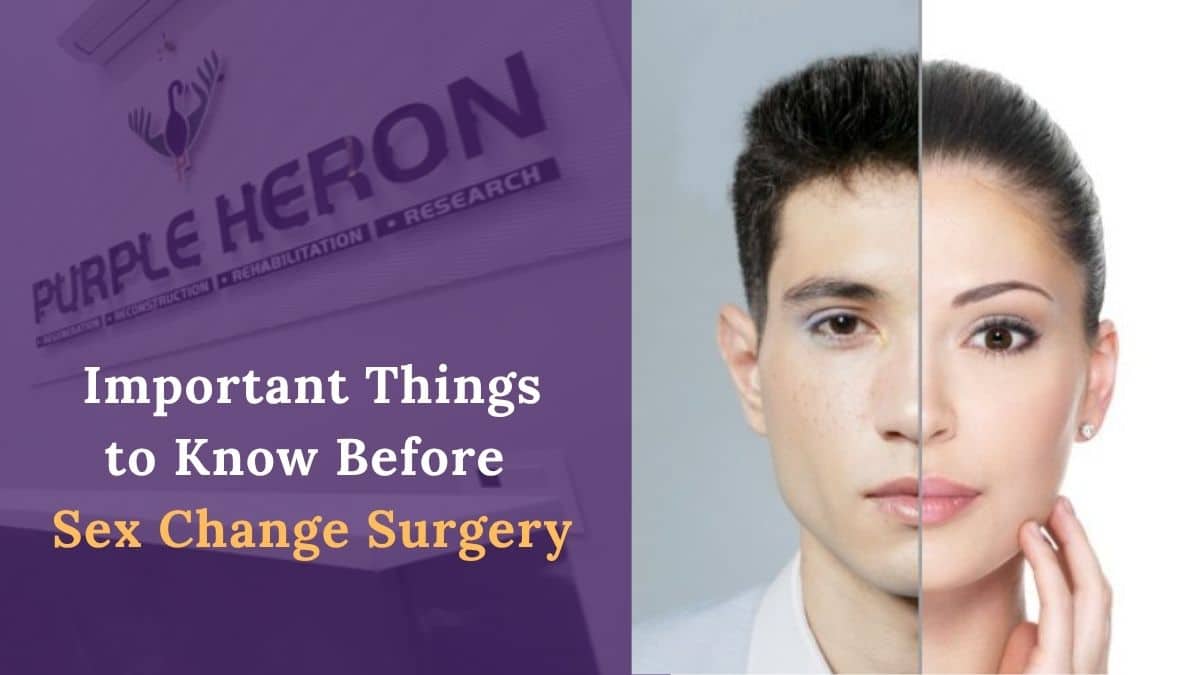
Important Things to Know Before Sex Change Surgery

Gender identity is deeply personal, and for many individuals, sex change surgery can be an important step toward living more comfortably and confidently in their true identity. Also known as gender reassignment surgery or gender affirmation surgery, these procedures are designed to help align a person’s physical appearance with their gender identity.

Before making such a life-changing decision, it is important to understand the medical, emotional, psychological, and social aspects involved in the process. Proper knowledge and preparation can help patients make informed decisions and achieve better outcomes.

In this guide, we will discuss the most important things to know before sex change surgery, including eligibility, preparation, risks, recovery, and choosing the right surgeon.

What Is Sex Change Surgery?

Sex change surgery refers to a group of surgical procedures that help transition an individual from one gender to another. These procedures may involve facial, chest, or genital reconstruction depending on the patient’s goals and medical recommendations.

The term commonly used in the medical field today is Gender Affirmation Surgery (GAS) or Gender Reassignment Surgery (GRS).

These surgeries may include:

  • Male-to-female (MTF) procedures
  • Female-to-male (FTM) procedures
  • Facial feminization or masculinization surgery
  • Breast augmentation or chest reconstruction
  • Genital reconstruction procedures

The purpose of these surgeries is not only cosmetic but also emotional and psychological, helping individuals improve self-confidence and quality of life.

Who Is a Suitable Candidate for Gender Reassignment Surgery?

Not everyone is immediately eligible for sex change surgery. Doctors typically evaluate several physical and psychological factors before recommending the procedure.

You may be considered a suitable candidate if:

  • You experience long-term gender dysphoria
  • You are mentally prepared for the transition
  • You understand the risks and benefits of surgery
  • You are in stable physical health
  • You have realistic expectations
  • You are committed to post-operative care and recovery

In many cases, psychological evaluation and hormone therapy are recommended before undergoing surgery.

Importance of Psychological Readiness

One of the most important considerations before sex change surgery is emotional and mental preparedness. Gender transition can be physically and emotionally demanding.

Patients should understand:

  • Surgery is a major life decision
  • Emotional adjustments may take time
  • Recovery can be physically challenging
  • Social and family support is important

Counselling sessions with qualified mental health professionals often help patients gain clarity and confidence before surgery.

Understanding Hormone Therapy Before Surgery

Hormone replacement therapy (HRT) is commonly recommended before gender reassignment surgery. Hormones play a crucial role in creating physical changes that align with a person’s gender identity.

For example:

Male-to-Female Transition

Hormone therapy may help:

  • Reduce body hair
  • Soften skin texture
  • Promote breast development
  • Redistribute body fat

Female-to-Male Transition

Hormones may:

  • Deepen the voice
  • Increase muscle mass
  • Promote facial hair growth
  • Stop menstruation

Hormone therapy should always be supervised by qualified medical professionals to ensure safety and proper monitoring.

Choosing the Right Surgeon Is Crucial

Selecting an experienced and qualified surgeon is one of the biggest factors affecting surgical success and patient satisfaction.

Patients should look for:

  • Board-certified or reconstructive plastic surgeons
  • Experience in gender affirmation procedures
  • Transparent consultation process
  • Good patient reviews and testimonials
  • Proper hospital facilities and post-operative care

In Jaipur, many patients trust Dr. Nitesh Lamoria, a highly experienced plastic and reconstructive surgeon known for his patient-focused approach and customised treatment planning.

About Dr. Nitesh Lamoria

MBBS, MS (Gen. Surgery), M.Ch. (Plastic, Reconstructive & Cosmetic Surgery)
Fellowship in Stem Cell & Regeneration Medicine

Dr. Nitesh Lamoria is a renowned gender reassignment and plastic surgeon in Jaipur with expertise in reconstructive and cosmetic procedures. He completed his advanced medical training from SMS Medical College Jaipur and is also associated with regenerative medicine and AI-driven surgical visualisation technologies.

His personalised consultation approach helps patients better understand their treatment journey, expected outcomes, and recovery process.

Risks and Complications You Should Know

Like any major surgical procedure, sex change surgery also carries certain risks. Understanding these risks beforehand helps patients make informed decisions.

Possible complications may include:

  • Infection
  • Bleeding
  • Scarring
  • Delayed healing
  • Loss of sensation
  • Anesthesia-related complications
  • Need for revision surgery

However, choosing an experienced surgeon and following proper post-operative care instructions can significantly reduce these risks.

Recovery After Gender Reassignment Surgery

Recovery time varies depending on the type of procedure performed. Some surgeries may require a few weeks of healing, while others may take several months for complete recovery.

During Recovery:

  • Rest is essential
  • Physical activities should be limited
  • Follow-up appointments are important
  • Proper hygiene must be maintained
  • Emotional support can help improve recovery

Patients should carefully follow all instructions provided by their surgeon to avoid complications and ensure optimal healing.

Setting Realistic Expectations

Another important aspect of sex change surgery is understanding that results may vary from person to person.

While surgery can significantly improve appearance and confidence, perfection is not always possible. Patients should maintain realistic expectations regarding:

  • Surgical outcomes
  • Recovery timeline
  • Scarring
  • Emotional adjustment

Clear communication with the surgeon during consultation helps patients better understand achievable results.

Financial Planning for Surgery

Gender reassignment surgery can involve multiple procedures, consultations, medications, and recovery expenses. Patients should understand the complete treatment cost before starting the process.

The overall cost may depend on:

  • Type of surgery
  • Hospital facilities
  • Surgeon’s expertise
  • Length of hospital stay
  • Post-operative care requirements

Some patients may also need to plan for time away from work during recovery.

Importance of Family and Social Support

Transitioning can be emotionally overwhelming without a support system. Family, friends, or support groups can play a major role in improving confidence and mental well-being during the transition process.

Having emotional support can help patients:

  • Manage stress and anxiety
  • Improve recovery
  • Build confidence
  • Handle social adjustments more comfortably

Support groups and counselling communities can also provide encouragement and practical guidance.

Lifestyle Changes Before Surgery

Doctors may recommend certain lifestyle modifications before surgery to improve safety and recovery outcomes.

These may include:

  • Stopping smoking
  • Limiting alcohol consumption
  • Maintaining a healthy weight
  • Following a nutritious diet
  • Managing existing medical conditions

Healthy habits can significantly reduce surgical risks and speed up healing.

Questions You Should Ask Your Surgeon

Before undergoing gender affirmation surgery, patients should ask important questions during consultation, such as:

  • What procedures are suitable for me?
  • What are the risks involved?
  • How long is the recovery period?
  • What results can I realistically expect?
  • Will I need additional surgeries?
  • What precautions should I follow after surgery?

Open discussions help patients feel more prepared and confident about the journey ahead.

Final Thoughts

Sex change surgery is a deeply personal and transformative journey that involves careful planning, emotional readiness, and expert medical guidance. Understanding the physical, emotional, and practical aspects of the process can help individuals make informed decisions and achieve better long-term satisfaction.

Choosing an experienced surgeon, maintaining realistic expectations, and prioritising mental and physical health are essential parts of a successful transition journey.

If you are considering gender reassignment surgery in Jaipur, consulting a qualified specialist like Dr. Nitesh Lamoria can help you better understand your options and receive personalised guidance tailored to your needs.
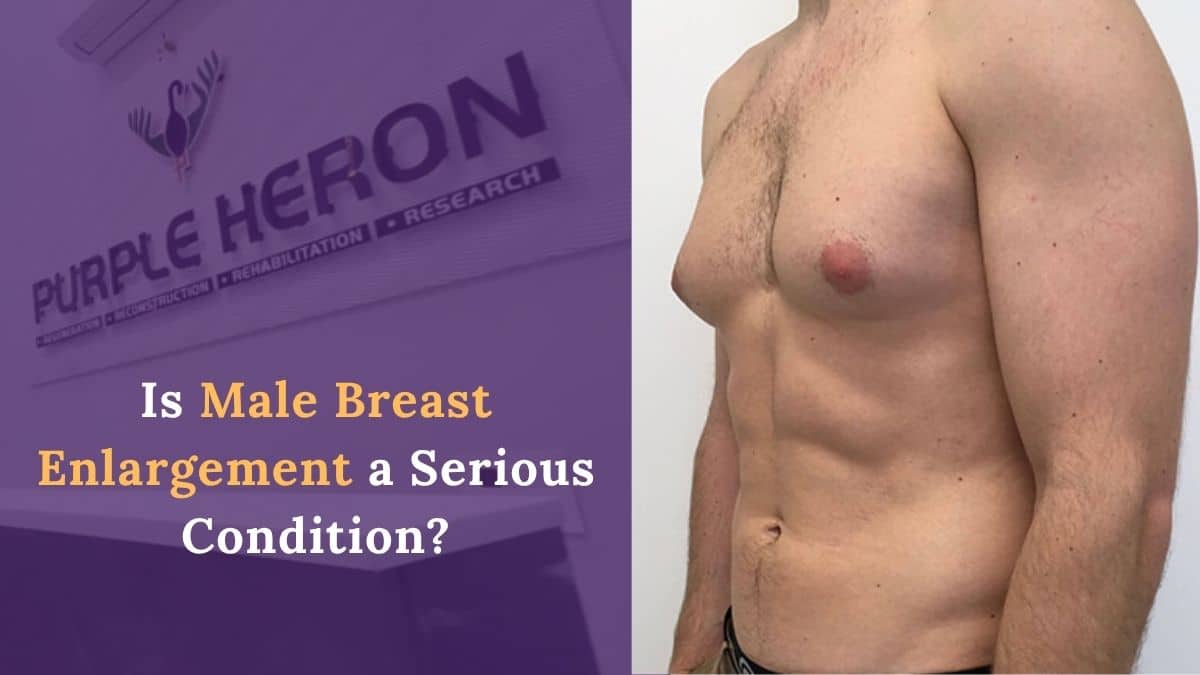
Is Male Breast Enlargement a Serious Condition?

Male breast enlargement, medically known as gynecomastia, is a common condition that affects men of different age groups. It occurs when breast tissue in males becomes enlarged due to hormonal imbalance, weight gain, certain medications, or underlying health conditions.

While many cases are harmless, some men may experience physical discomfort, emotional distress, and reduced self-confidence because of enlarged breasts. In rare situations, male breast enlargement may also indicate an underlying medical issue that requires attention.

Understanding the causes, symptoms, and treatment options can help determine whether gynecomastia is a serious condition and when medical evaluation is necessary.

What Is Male Breast Enlargement (Gynecomastia)?

Gynecomastia refers to the enlargement of glandular breast tissue in males. It may affect one or both breasts and can occur during:

  • Infancy
  • Puberty
  • Adulthood
  • Older age

The condition usually develops due to an imbalance between the hormones testosterone and estrogen.

It is important to understand that gynecomastia is different from chest fat caused by obesity. True gynecomastia involves growth of breast gland tissue, while excess chest fat is called pseudogynecomastia.

Is Male Breast Enlargement Dangerous?

In most cases, male breast enlargement is not dangerous or life-threatening. However, it should not always be ignored because it can sometimes be linked to:

  • Hormonal disorders
  • Liver disease
  • Kidney disease
  • Thyroid problems
  • Medication side effects
  • Obesity
  • Steroid use
  • Rare tumors

Although breast cancer in men is uncommon, any unusual lump, nipple discharge, or severe asymmetrical enlargement should be evaluated by a doctor.

Common Causes of Male Breast Enlargement

1. Hormonal Imbalance

The most common cause of gynecomastia is hormonal imbalance. When estrogen levels increase or testosterone levels decrease, breast tissue may enlarge.

Hormonal changes commonly occur during:

  • Puberty
  • Aging
  • Certain medical conditions

2. Obesity

Excess body fat increases estrogen production, which may contribute to breast enlargement in men.

Obesity can also cause fat accumulation in the chest area, making breasts appear larger.

3. Medications

Certain medicines may trigger gynecomastia, including:

  • Steroids
  • Anti-anxiety medications
  • Some antibiotics
  • Heart medications
  • Anti-ulcer drugs
  • Chemotherapy medicines

4. Steroid and Alcohol Use

Anabolic steroids, alcohol abuse, and recreational drugs may affect hormone levels and lead to breast enlargement.

5. Medical Conditions

Certain health problems can increase the risk of gynecomastia, such as:

  • Liver disease
  • Kidney failure
  • Thyroid disorders
  • Testicular disorders
  • Tumors affecting hormone production

Symptoms of Gynecomastia

Symptoms may vary depending on severity.

Common Signs Include:

  • Enlarged breast tissue
  • Swelling around nipples
  • Tenderness or pain
  • Soft or rubbery lump under the nipple
  • Uneven breast enlargement

In some men, the condition may only cause cosmetic concerns without pain.

When Should You Worry About Male Breast Enlargement?

You should consult a doctor if you notice:

  • Rapid breast enlargement
  • Painful swelling
  • Hard lump in the breast
  • Nipple discharge
  • Skin changes around the breast
  • Enlargement only on one side
  • Persistent symptoms lasting several months

These symptoms may require further medical evaluation.

Emotional and Psychological Impact

Although gynecomastia is usually not medically dangerous, it can significantly affect mental health and self-esteem.

Many men experience:

  • Embarrassment
  • Anxiety
  • Low confidence
  • Social withdrawal
  • Avoidance of gyms or swimming

Teenagers and young adults are particularly affected emotionally by visible chest enlargement.

How Is Male Breast Enlargement Diagnosed?

Diagnosis usually includes:

Medical History

Doctors ask about:

  • Symptoms
  • Medications
  • Weight changes
  • Lifestyle habits
  • Steroid or alcohol use

Physical Examination

The chest is examined to differentiate between fat accumulation and glandular tissue enlargement.

Blood Tests

Hormone tests may help identify underlying causes.

Imaging Tests

Sometimes ultrasound or mammography may be recommended.

Treatment Options for Male Breast Enlargement

Treatment depends on the cause and severity.

1. Lifestyle Changes

For mild cases related to obesity:

  • Weight loss
  • Regular exercise
  • Healthy diet

may help reduce chest fat.

2. Stopping Triggering Medications

If medications are responsible, doctors may adjust or change them.

3. Hormonal Treatment

In selected cases, medicines may help correct hormonal imbalance.

4. Gynecomastia Surgery

When enlargement does not improve naturally or causes emotional distress, surgery may be recommended.

Common Procedures Include:

  • Liposuction
  • Gland excision surgery
  • Combination procedures

Surgery helps create a flatter and more masculine chest contour.

Can Gynecomastia Go Away Naturally?

Yes, some cases—especially during puberty—may resolve on their own within months or years.

However, long-standing gynecomastia may not disappear naturally and may require treatment.

Can Exercise Cure Male Breast Enlargement?

Exercise helps reduce overall body fat, but it cannot completely remove glandular breast tissue caused by true gynecomastia.

Chest workouts may improve appearance, but persistent glandular enlargement often requires medical treatment.

Tips to Reduce the Risk of Gynecomastia

You can lower the risk by:

  • Maintaining healthy weight
  • Avoiding anabolic steroids
  • Limiting alcohol intake
  • Exercising regularly
  • Managing hormonal disorders
  • Following medical advice regarding medications

Conclusion

Male breast enlargement is usually not a dangerous condition, but it should not always be ignored. While many cases are caused by harmless hormonal changes or obesity, some may indicate underlying medical problems that require treatment.

Persistent enlargement, pain, lumps, or emotional distress should be evaluated by a qualified doctor. Early diagnosis helps identify the cause and provides appropriate treatment options, including lifestyle changes, medications, or gynecomastia surgery when needed.

If male breast enlargement is affecting your physical comfort or self-confidence, seeking professional medical guidance can help you regain both health and confidence.

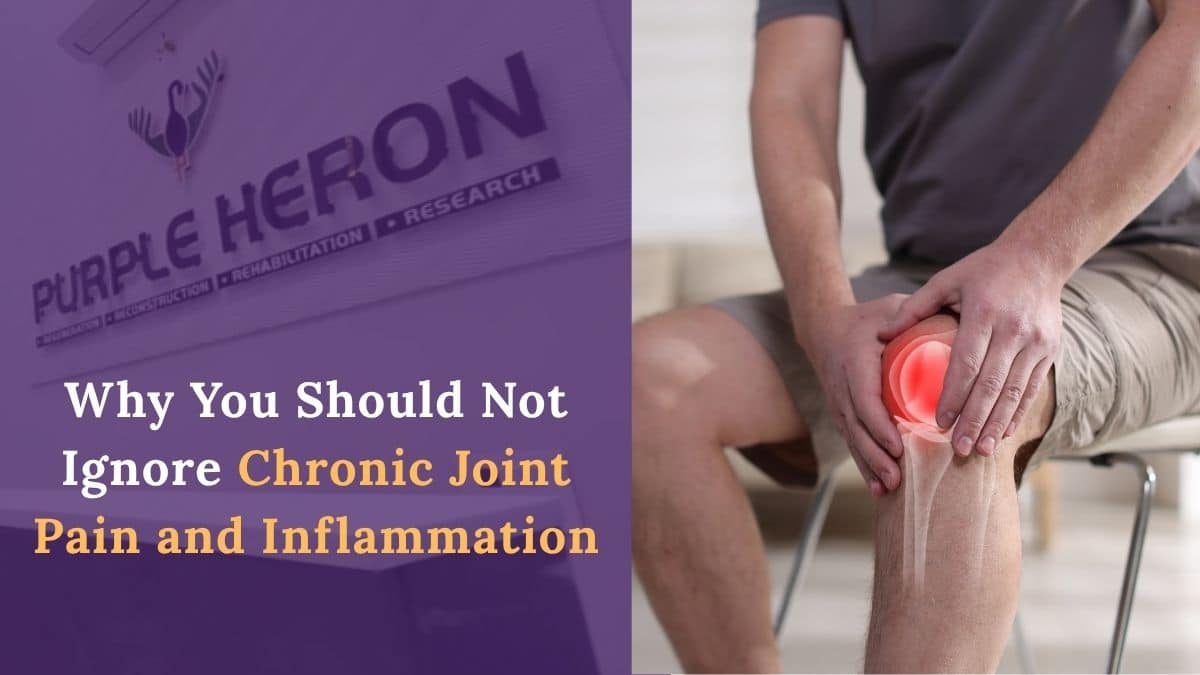
Why You Should Not Ignore Chronic Joint Pain and Inflammation

Chronic joint pain and inflammation are common health problems that affect millions of people worldwide. Many individuals ignore persistent joint discomfort, assuming it is simply due to aging, fatigue, physical activity, or temporary strain. However, ongoing joint pain and swelling can sometimes indicate serious underlying medical conditions that require timely diagnosis and treatment.

Ignoring chronic inflammation may lead to long-term joint damage, reduced mobility, and a significant decline in quality of life. In some cases, it may even be linked to autoimmune diseases that can affect multiple organs in the body.

In this blog, we will explore the causes, symptoms, risks, and treatment options for chronic joint pain and inflammation, along with understanding when you should consult a rheumatologist.

What Is Chronic Joint Pain?

Joint pain refers to discomfort, stiffness, soreness, or swelling in one or more joints of the body. It becomes “chronic” when symptoms persist for weeks, months, or even years.

Joints commonly affected include:

  • Knees
  • Shoulders
  • Hips
  • Ankles
  • Wrists
  • Fingers
  • Elbows

Chronic joint pain can vary from mild irritation to severe pain that interferes with daily activities.

What Causes Chronic Joint Pain and Inflammation?

There are several possible causes of persistent joint pain and inflammation. Some are related to wear and tear, while others result from autoimmune or inflammatory conditions.

1. Arthritis

Arthritis is one of the leading causes of chronic joint pain.

Osteoarthritis

This occurs due to the gradual wear and tear of cartilage in the joints. It is more common with aging.

Rheumatoid Arthritis

This is an autoimmune disease where the immune system attacks healthy joint tissues, causing inflammation and damage.

2. Autoimmune Diseases

Certain autoimmune conditions can cause widespread inflammation in joints and tissues.

Examples include:

  • Lupus
  • Psoriatic arthritis
  • Ankylosing spondylitis
  • Sjögren’s syndrome

These diseases often require specialized rheumatology treatment.

3. Gout

Gout occurs due to the accumulation of uric acid crystals in the joints, leading to sudden pain, swelling, and redness.

It commonly affects:

  • Big toe
  • Ankles
  • Knees

4. Injury or Joint Damage

Old injuries, ligament tears, fractures, or repetitive stress can lead to chronic joint pain over time.

5. Infections

Certain bacterial or viral infections can trigger joint inflammation and pain.

6. Obesity and Lifestyle Factors

Excess body weight puts additional pressure on joints, especially the knees and hips, increasing the risk of chronic pain and inflammation.

Poor lifestyle habits, lack of exercise, smoking, and an unhealthy diet can also worsen joint problems.

Common Symptoms You Should Not Ignore

Many people delay medical consultation until pain becomes severe. However, early symptoms should never be ignored.

Warning Signs Include:

  • Persistent joint pain
  • Morning stiffness lasting more than 30 minutes
  • Swollen joints
  • Redness or warmth around joints
  • Difficulty moving joints
  • Fatigue and weakness
  • Recurrent flare-ups
  • Joint tenderness
  • Pain affecting daily activities

If symptoms continue for several weeks, medical evaluation is important.

Why Ignoring Chronic Inflammation Is Dangerous

Chronic inflammation is not just temporary discomfort. Long-term untreated inflammation can seriously damage joints and surrounding tissues.

1. Permanent Joint Damage

Inflammatory diseases like rheumatoid arthritis can gradually destroy cartilage and bones inside the joints.

This may lead to:

  • Joint deformity
  • Reduced mobility
  • Permanent stiffness

2. Loss of Physical Function

Severe joint pain can affect your ability to:

  • Walk
  • Climb stairs
  • Work
  • Exercise
  • Perform daily activities

Over time, this can reduce independence and overall quality of life.

3. Increased Risk of Disability

Untreated inflammatory joint diseases may eventually cause long-term disability.

Early treatment significantly lowers this risk.

4. Autoimmune Complications

Some rheumatic diseases affect more than just joints. They may also damage:

  • Heart
  • Lungs
  • Kidneys
  • Eyes
  • Skin

Timely diagnosis helps prevent serious complications.

5. Mental and Emotional Impact

Chronic pain often affects mental well-being.

People with persistent pain may experience:

  • Stress
  • Anxiety
  • Depression
  • Sleep disturbances

Managing the underlying condition can improve emotional health as well.

When Should You See a Rheumatologist?

A rheumatologist is a specialist who diagnoses and treats arthritis, autoimmune diseases, and inflammatory joint disorders.

You should consult a rheumatologist if you experience:

  • Joint pain lasting more than 6 weeks
  • Unexplained swelling
  • Morning stiffness
  • Multiple painful joints
  • Recurrent inflammation
  • Fatigue associated with joint pain
  • Family history of autoimmune disease

Early consultation can prevent complications and improve long-term outcomes.

How Chronic Joint Conditions Are Diagnosed

Diagnosis usually involves a combination of:

Medical History

The doctor evaluates symptoms, duration, family history, and lifestyle factors.

Physical Examination

Joints are examined for swelling, tenderness, warmth, and mobility.

Blood Tests

These may include:

  • Rheumatoid factor (RF)
  • ESR and CRP
  • ANA tests
  • Uric acid levels

Imaging Tests

  • X-rays
  • MRI scans
  • Ultrasound
  • CT scans

Accurate diagnosis helps determine the most effective treatment plan.

Treatment Options for Chronic Joint Pain and Inflammation

Treatment depends on the underlying cause and severity of the condition.

1. Medications

Doctors may prescribe:

  • Anti-inflammatory medicines
  • Pain relievers
  • Disease-modifying drugs
  • Steroids
  • Biologic therapies

These medications help reduce inflammation and slow disease progression.

2. Physical Therapy

Physiotherapy improves:

  • Joint flexibility
  • Muscle strength
  • Mobility
  • Balance

Regular guided exercises can reduce stiffness and pain.

3. Lifestyle Modifications

Healthy habits play a major role in managing joint conditions.

Recommended Changes:

  • Maintain healthy weight
  • Follow anti-inflammatory diet
  • Exercise regularly
  • Avoid smoking
  • Reduce stress

4. Advanced Rheumatology Treatments

Modern rheumatology offers advanced therapies for autoimmune and inflammatory diseases.

These include:

  • Biologic injections
  • Targeted immune therapies
  • Joint preservation techniques

5. Surgery (When Needed)

In severe cases, surgery may be required for:

However, early treatment often helps avoid surgery.

Tips to Protect Your Joint Health

You can reduce the risk of chronic joint problems by following healthy habits.

Helpful Tips:

  • Stay physically active
  • Avoid prolonged inactivity
  • Stretch regularly
  • Eat calcium and vitamin-rich foods
  • Maintain proper posture
  • Stay hydrated
  • Avoid excess weight gain

Small lifestyle changes can make a significant difference in long-term joint health.

Importance of Early Diagnosis and Treatment

One of the biggest mistakes people make is waiting too long before seeking medical help.

Early diagnosis helps:

  • Control inflammation
  • Prevent permanent damage
  • Improve treatment success
  • Maintain mobility
  • Reduce pain
  • Improve quality of life

The earlier treatment begins, the better the long-term outcome.

Conclusion

Chronic joint pain and inflammation should never be ignored. While occasional discomfort may be harmless, persistent symptoms can indicate serious inflammatory or autoimmune conditions that require professional care.

Ignoring ongoing joint pain may lead to permanent joint damage, reduced mobility, disability, and complications affecting other organs. Seeking timely medical attention from a rheumatologist can help identify the underlying cause and provide effective treatment before the condition worsens.

If you are experiencing persistent joint pain, swelling, stiffness, or inflammation, consult a specialist early to protect your joints and maintain a healthier, more active life.

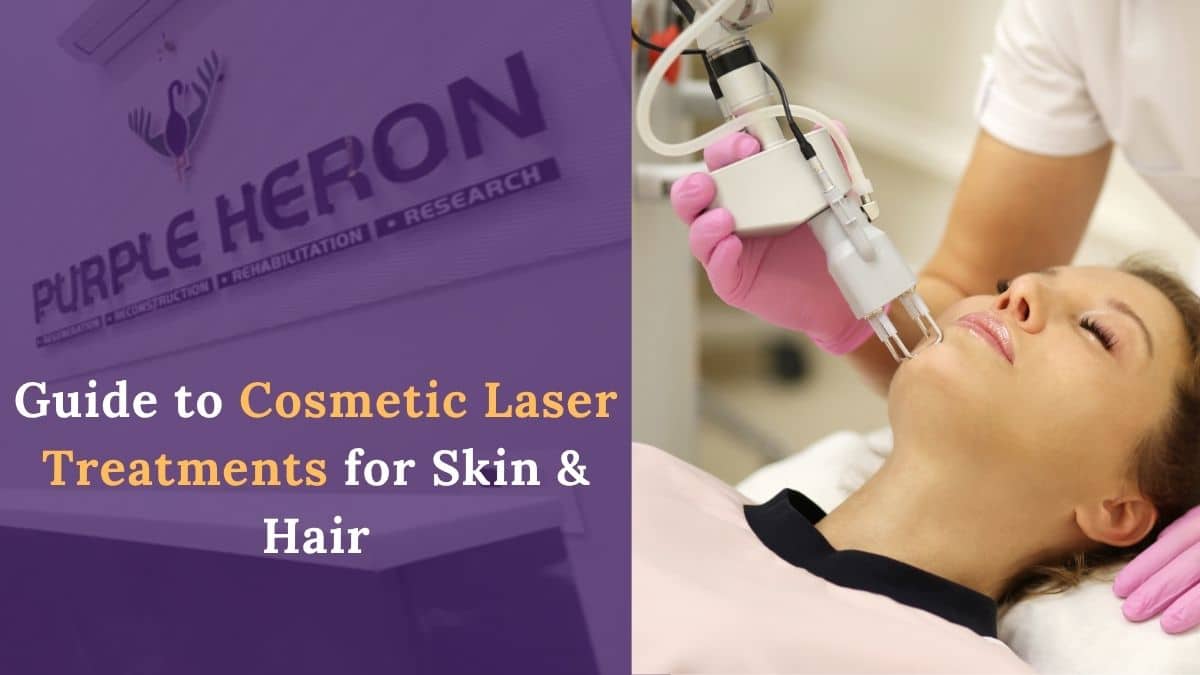
A Complete Guide to Cosmetic Laser Treatments for Skin & Hair

Cosmetic laser treatments have transformed modern dermatology and aesthetic medicine. From reducing unwanted hair to improving acne scars, pigmentation, wrinkles, and skin texture, laser technology offers safe, effective, and minimally invasive solutions for a wide range of skin and hair concerns.

Today, cosmetic laser procedures are among the most popular aesthetic treatments because they provide noticeable results with less downtime compared to traditional surgical methods. Whether you want smoother skin, youthful appearance, scar reduction, or long-term hair removal, understanding different laser treatments can help you choose the right option for your needs.

In this complete guide, we will explore different types of cosmetic laser treatments, their benefits, uses, procedure details, recovery, and precautions.

What Are Cosmetic Laser Treatments?

Cosmetic laser treatments use focused beams of light energy to target specific skin or hair concerns. Different laser wavelengths penetrate the skin at different depths to treat pigmentation, scars, hair follicles, wrinkles, blood vessels, or damaged skin cells.

These treatments are commonly performed by dermatologists or aesthetic specialists using advanced medical-grade laser devices.

Laser treatments can help with:

  • Unwanted hair removal
  • Acne scars
  • Pigmentation and dark spots
  • Fine lines and wrinkles
  • Skin tightening
  • Tattoo removal
  • Stretch marks
  • Uneven skin tone
  • Sun damage
  • Rosacea and redness

How Do Cosmetic Lasers Work?

Lasers work by delivering concentrated light energy into targeted tissues without damaging surrounding skin. The laser energy is absorbed by specific pigments, hair follicles, or water molecules in the skin.

Depending on the treatment type, lasers may:

  • Destroy hair follicles
  • Stimulate collagen production
  • Remove damaged skin layers
  • Break down pigmentation
  • Tighten skin tissues
  • Reduce vascular lesions

The choice of laser depends on your skin type, concern, and treatment goals.

Types of Cosmetic Laser Treatments

1. Laser Hair Removal

Laser hair removal is one of the most commonly performed cosmetic procedures worldwide. It targets hair follicles using laser energy to reduce unwanted hair growth.

Common Treatment Areas

  • Face
  • Upper lip
  • Chin
  • Underarms
  • Arms and legs
  • Bikini area
  • Chest and back

Benefits

  • Long-term hair reduction
  • Smoother skin
  • Reduced ingrown hairs
  • Fast and minimally painful procedure

Sessions Required

Most people require 6–8 sessions for optimal results because hair grows in different cycles.

Best Suitable For

People with dark hair and lighter skin generally respond best, although newer lasers can safely treat darker skin tones as well.

2. Laser Skin Rejuvenation

Laser skin rejuvenation improves overall skin quality by stimulating collagen production and removing damaged skin cells.

It Helps Treat

  • Dull skin
  • Uneven skin tone
  • Fine lines
  • Mild pigmentation
  • Enlarged pores

Popular Technologies

  • Fractional CO2 Laser
  • Erbium Laser
  • Non-ablative lasers

Benefits

  • Improved skin texture
  • Youthful glow
  • Better elasticity
  • Reduced signs of aging

3. Laser Treatment for Acne Scars

Acne scars can affect confidence and skin appearance. Laser treatments help resurface the skin and stimulate collagen remodeling.

Types of Acne Scars Treated

  • Boxcar scars
  • Rolling scars
  • Ice-pick scars
  • Post-acne pigmentation

Common Lasers Used

  • Fractional CO2 Laser
  • RF Microneedling with laser technology
  • Erbium lasers

Benefits

  • Smoother skin texture
  • Reduced scar depth
  • Improved skin tone
  • Long-lasting results

Several sessions may be required depending on scar severity.

4. Pigmentation and Dark Spot Removal

Laser treatments are highly effective for reducing excess pigmentation caused by sun damage, melasma, aging, or acne marks.

Conditions Treated

  • Sunspots
  • Age spots
  • Freckles
  • Melasma
  • Post-inflammatory pigmentation

Common Laser Technologies

  • Q-switched Nd:YAG Laser
  • Pico Laser
  • Fractional lasers

Benefits

  • Brighter complexion
  • Even skin tone
  • Reduction in stubborn pigmentation

Sun protection is essential after pigmentation laser procedures.

5. Anti-Aging Laser Treatments

Laser therapy is widely used for reducing visible signs of aging without surgery.

Concerns Addressed

  • Fine lines
  • Wrinkles
  • Loose skin
  • Crow’s feet
  • Sagging

Popular Treatments

  • Fractional lasers
  • Skin tightening lasers
  • CO2 resurfacing lasers

Benefits

  • Collagen stimulation
  • Firmer skin
  • Younger-looking appearance
  • Improved skin texture

Results gradually improve over several weeks as collagen production increases.

6. Laser Skin Tightening

Laser skin tightening is a non-surgical procedure that heats deeper skin layers to stimulate collagen and elastin production.

Common Areas Treated

  • Face
  • Neck
  • Jawline
  • Abdomen
  • Arms

Benefits

  • Tighter skin
  • Reduced sagging
  • Better facial contour
  • Minimal downtime

This treatment is ideal for mild to moderate skin laxity.

7. Tattoo Removal Laser Treatment

Laser tattoo removal breaks down tattoo ink particles, which are gradually cleared by the body.

Factors Affecting Results

  • Tattoo size
  • Ink color
  • Depth of ink
  • Age of tattoo

Common Laser Used

  • Q-switched Laser
  • Pico Laser

Sessions Required

Multiple sessions are needed depending on tattoo complexity.

8. Laser Treatment for Stretch Marks

Certain laser technologies help reduce the appearance of stretch marks by promoting collagen remodeling.

Benefits

  • Improved skin texture
  • Reduced discoloration
  • Smoother appearance

Early stretch marks generally respond better to treatment.

Benefits of Cosmetic Laser Treatments

Cosmetic laser procedures offer several advantages:

  • Non-surgical treatment options
  • Minimal downtime
  • Improved skin appearance
  • Long-lasting results
  • Precision targeting
  • Stimulates natural collagen production
  • Suitable for multiple skin concerns

Modern laser devices are safer and more effective than earlier technologies.

Are Cosmetic Laser Treatments Safe?

When performed by qualified dermatologists or trained professionals, cosmetic laser treatments are generally safe.

However, side effects may include:

  • Redness
  • Mild swelling
  • Temporary sensitivity
  • Peeling
  • Hyperpigmentation in some cases

Choosing the right laser for your skin type is essential to minimize risks.

Who Is an Ideal Candidate?

You may be a suitable candidate if you:

  • Have realistic expectations
  • Are in good overall health
  • Want non-surgical cosmetic improvement
  • Have acne scars, pigmentation, wrinkles, or unwanted hair

A professional consultation helps determine the best treatment plan.

Pre-Treatment Care Tips

Before undergoing laser treatment:

  • Avoid excessive sun exposure
  • Stop tanning
  • Avoid harsh skincare products
  • Inform your doctor about medications
  • Follow all pre-procedure instructions carefully

Post-Treatment Care

After laser procedures:

  • Use sunscreen regularly
  • Avoid direct sun exposure
  • Keep skin moisturized
  • Avoid scratching or picking treated skin
  • Follow prescribed skincare routines

Proper aftercare significantly improves results and recovery.

How Many Sessions Are Needed?

The number of sessions depends on:

  • Treatment type
  • Skin condition
  • Severity of concern
  • Skin response

Some procedures show improvement after one session, while others require multiple sittings for optimal outcomes.

Choosing the Right Cosmetic Laser Treatment

Selecting the right treatment depends on:

  • Your skin type
  • Cosmetic concern
  • Desired results
  • Downtime tolerance
  • Budget

Consulting an experienced dermatologist ensures safe and personalized treatment recommendations.

Conclusion

Cosmetic laser treatments have revolutionized skin and hair care by offering effective, minimally invasive solutions for a variety of aesthetic concerns. Whether you want laser hair removal, acne scar reduction, pigmentation correction, anti-aging benefits, or skin rejuvenation, modern laser technologies provide customized options for different skin needs.

With proper consultation, advanced equipment, and expert care, laser treatments can help you achieve healthier, smoother, and more youthful-looking skin with long-lasting results.

If you are considering cosmetic laser procedures, always choose a qualified and experienced dermatologist to ensure safety and optimal outcomes.

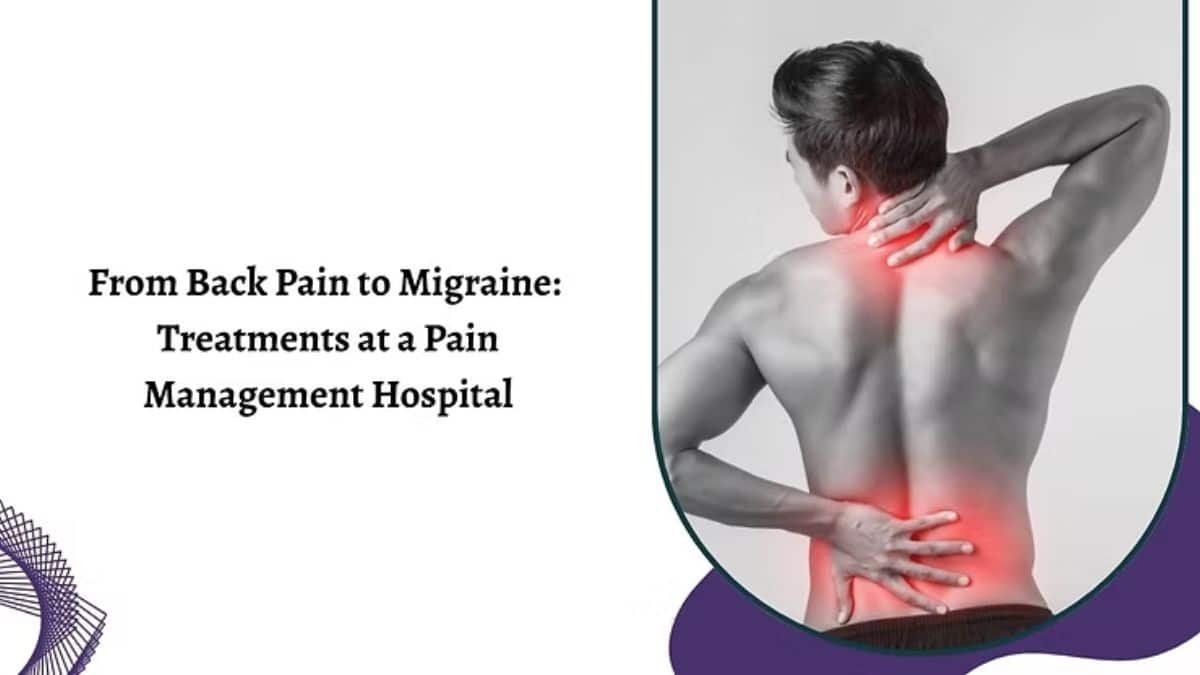
From Back Pain to Migraine: Treatments at a Pain Management

Pain is one of the most common health concerns affecting millions of people worldwide. From persistent back pain to recurring migraines, chronic discomfort can significantly impact daily life, work productivity, and emotional well-being. Fortunately, specialized medical facilities such as the Best Pain Management Hospital in India provide comprehensive diagnosis and advanced treatment options for a wide range of pain-related conditions.

A modern pain management hospital focuses on identifying the root cause of pain and creating personalized treatment plans to help patients achieve long-term relief and improved quality of life.

Understanding Chronic Pain

Chronic pain is defined as pain that lasts for more than three months. Unlike acute pain caused by injury or temporary illness, chronic pain may persist even after the initial problem has healed. Conditions such as back pain, neck pain, joint pain, nerve pain, and migraines often require specialized care.

Hospitals that specialize in pain management combine medical expertise, advanced technology, and multidisciplinary approaches to provide effective treatments.

Common Conditions Treated at Pain Management Hospitals

1. Back and Spine Pain

Back pain is one of the leading reasons people seek medical help. It can occur due to poor posture, spinal injuries, herniated discs, or degenerative conditions.

Patients seeking the Best Back Pain Treatment in Jaipur often benefit from comprehensive evaluation by spine and pain specialists who design treatment plans based on the severity and cause of pain.

Common treatments include:

  • Physiotherapy and rehabilitation programs
  • Non-surgical spinal decompression
  • Pain-relief injections
  • Medication and lifestyle guidance

2. Neck and Shoulder Pain

Neck stiffness and shoulder pain often occur due to long hours of desk work, muscle strain, or nerve compression. Pain management hospitals provide therapies that target both the symptoms and the underlying causes.

Treatment approaches may include:

  • Trigger point injections
  • Physical therapy
  • Posture correction programs
  • Minimally invasive procedures

3. Joint and Musculoskeletal Pain

Joint pain in the knees, hips, and shoulders is often caused by arthritis, inflammation, or injury. A Best Musculoskeletal Specialist in Jaipur focuses on diagnosing problems affecting muscles, bones, ligaments, and joints.

Common treatments for musculoskeletal pain include:

  • Regenerative therapies
  • Joint injections
  • Strengthening and mobility exercises
  • Pain-modulating medications

These treatments aim to restore mobility and reduce inflammation while improving overall physical function.

4. Nerve Pain and Sciatica

Nerve-related pain can cause sharp, burning, or shooting sensations that travel through the body. Sciatica, for example, occurs when the sciatic nerve becomes compressed or irritated.

Pain specialists often use advanced diagnostic tools to determine the source of nerve pain and recommend treatments such as:

  • Nerve block injections
  • Radiofrequency ablation
  • Targeted physiotherapy
  • Minimally invasive procedures

5. Migraine and Chronic Headaches

Migraines and chronic headaches can disrupt daily life and may be triggered by stress, hormonal changes, neurological issues, or environmental factors.

Pain management hospitals offer specialized treatments including:

  • Preventive medications
  • Botox therapy for chronic migraine
  • Lifestyle and stress management counseling
  • Nerve block treatments

With proper diagnosis and treatment, patients can significantly reduce the frequency and intensity of migraine attacks.

Advanced Treatments Used in Pain Management Hospitals

Modern pain management centers use a combination of medical, interventional, and rehabilitative treatments.

Some of the most effective options include:

Interventional Pain Procedures – These minimally invasive treatments target specific nerves or pain sources to provide long-lasting relief.

Physiotherapy and Rehabilitation – Physical therapy improves flexibility, strength, and posture, which helps prevent recurring pain.

Regenerative Medicine – Techniques such as platelet-rich plasma (PRP) therapy promote natural healing in damaged tissues.

Lifestyle and Ergonomic Guidance- Doctors also educate patients about posture correction, weight management, and daily habits that contribute to long-term pain control.

Why Choose a Specialized Pain Management Hospital?

A dedicated pain management hospital offers several advantages compared to general healthcare facilities:

  • Comprehensive diagnosis using advanced imaging and evaluation methods
  • Multidisciplinary care from specialists in pain medicine, orthopedics, and rehabilitation
  • Access to minimally invasive treatments
  • Personalized care plans based on individual patient needs

Choosing the Best Pain Management Hospital in India ensures that patients receive expert guidance and advanced treatment options designed to address both the symptoms and root causes of pain.

When Should You Visit a Pain Specialist?

You should consider visiting a pain management hospital if you experience:

  • Persistent back or neck pain lasting more than a few weeks
  • Frequent migraines or severe headaches
  • Nerve pain, numbness, or tingling sensations
  • Joint pain affecting daily movement
  • Pain that does not improve with basic treatment

Early diagnosis and treatment can prevent chronic pain from worsening and help patients return to normal activities faster.

Conclusion

From back pain and joint discomfort to migraines and nerve-related issues, chronic pain can significantly affect everyday life. However, with the help of experienced specialists and modern medical techniques, effective relief is possible.

Consulting the Musculoskeletal Specialist at a reputed Pain Management Hospital  can help identify the underlying cause of pain and provide advanced solutions such as the Back Pain. With the right care, patients can regain mobility, comfort, and a better quality of life.

Does Penis Enlargement Increase Confidence? Here’s the Reality

Confidence plays a major role in a man’s personal relationships, mental well-being, and self-image. For many men, concerns about body appearance are not limited to fitness or facial features — intimate appearance can also affect self-esteem. This is one of the reasons why interest in penis enlargement surgery and other male enhancement procedures has increased significantly in recent years.

But does penis enlargement actually increase confidence? The answer is more complex than a simple yes or no.

Some men report feeling more confident and satisfied after undergoing penile enhancement procedures, while others realize that surgery alone cannot solve deeper insecurities or unrealistic expectations. Understanding the reality behind penis enlargement surgery, penile implants in India, recovery, risks, and psychological impact is essential before making any decision.

In this blog, we’ll explore how penis enlargement procedures work, whether they truly improve confidence, and what men should realistically expect before considering cosmetic surgery.

Understanding Penis Enlargement Surgery

Penis enlargement surgery refers to medical procedures designed to increase penile length, girth, or improve sexual function. These procedures may be cosmetic, functional, or both.

Today, several advanced male enhancement procedures are available, including:

  • Penile lengthening surgery
  • Penile girth enhancement
  • Fat transfer procedures
  • Dermal fillers
  • Penile implants
  • Suspensory ligament release surgery

In India, awareness around men’s cosmetic surgery and sexual wellness treatments has grown rapidly. Many men now openly explore options like penile implants in India for both medical and aesthetic reasons.

However, it is important to understand that results vary depending on body type, surgical method, and overall health condition.

Why Men Consider Penis Enlargement Surgery

Men choose penis enlargement surgery for different personal reasons. While some seek physical enhancement, others are more concerned about confidence and emotional well-being.

Common reasons include:

1. Low Self-Confidence

Some men feel insecure about penis size despite being within the medically normal range. This insecurity can affect:

  • Self-esteem
  • Dating confidence
  • Intimate relationships
  • Mental health

For such individuals, cosmetic enhancement may seem like a confidence-boosting solution.

2. Erectile Dysfunction or Medical Conditions

In certain cases, penile implants in India are used medically to treat erectile dysfunction when medications or non-surgical treatments fail.

Penile implant surgery can help restore sexual function and improve quality of life for patients with:

  • Diabetes-related ED
  • Nerve damage
  • Peyronie’s disease
  • Post-prostate surgery complications

For these patients, the confidence boost often comes from restored functionality rather than cosmetic appearance.

3. Psychological Satisfaction

Some men simply want to feel more comfortable with their body image. Similar to other cosmetic surgery procedures, penis enlargement surgery may provide emotional satisfaction when expectations are realistic.

Does Penis Enlargement Really Increase Confidence?

The reality is that confidence improvement depends on multiple factors.

For many men, yes — penis enlargement surgery can improve confidence. But the improvement is usually psychological rather than life-changing.

Here’s what many patients experience after surgery:

  • Increased comfort during intimacy
  • Better body image perception
  • Reduced anxiety about appearance
  • Improved sexual confidence
  • Greater self-esteem in relationships

However, surgery is not a guaranteed solution for emotional insecurity.

Men with unrealistic expectations may still feel dissatisfied even after technically successful results. This is why experienced surgeons often evaluate both physical and psychological readiness before recommending surgery.

Understanding Realistic Expectations

One of the biggest mistakes patients make is expecting dramatic transformation.

Many advertisements online create unrealistic expectations regarding penis enlargement surgery results. In reality:

  • Length increase is often moderate
  • Recovery takes time
  • Results vary by individual
  • Some swelling and discomfort are normal
  • Multiple procedures may sometimes be required

A qualified surgeon will explain what is medically achievable and what is not.

Understanding realistic outcomes is extremely important for long-term satisfaction and confidence improvement.

Types of Penis Enlargement Procedures

There are different surgical and non-surgical options available today.

1. Penile Lengthening Surgery

This procedure involves releasing the suspensory ligament that connects the penis to the pubic bone. It may create the appearance of increased length, especially in the flaccid state.

Benefits:

  • Improved visible length
  • Permanent structural change

Limitations:

  • Erect length improvement may be limited
  • Requires recovery and post-operative stretching

2. Penile Girth Enhancement

This treatment focuses on increasing penile thickness using:

  • Fat transfer
  • Dermal grafts
  • Fillers

Many men prioritize girth enhancement because it may improve visual appearance and personal satisfaction.

3. Penile Implants in India

Penile implants in India are commonly used for men with severe erectile dysfunction.

There are two main types:

  • Inflatable penile implants
  • Semi-rigid implants

These implants are surgically inserted inside the penis to help achieve erections.

Advantages:

  • High success rates
  • Long-term solution for ED
  • Improved sexual confidence

Important Note:

Penile implants are primarily functional procedures rather than cosmetic enlargement surgeries.

Why Penile Implants in India Are Becoming More Popular

India has become a growing destination for advanced cosmetic and reconstructive procedures due to:

  • Experienced urologists and cosmetic surgeons
  • Modern medical facilities
  • Affordable treatment costs
  • Advanced surgical technology

Many patients choose penile implants in India because treatment costs are often lower compared to Western countries, while maintaining international medical standards.

Additionally, increased awareness about men’s sexual health has encouraged more people to seek professional consultation rather than relying on unsafe products or misleading online treatments.

The Psychological Side of Confidence

Confidence is influenced by much more than physical appearance alone.

Men who undergo penis enlargement surgery often feel better when:

  • Their expectations are realistic
  • The procedure addresses a genuine concern
  • Emotional insecurities are manageable
  • They receive proper counseling

However, men struggling with severe anxiety, body dysmorphic disorder, or unrealistic expectations may not experience lasting psychological benefits from surgery alone.

This is why many experts recommend:

  • Honest self-assessment
  • Psychological counseling if needed
  • Detailed medical consultation before surgery

Risks and Complications You Should Know

Like any surgical procedure, penis enlargement surgery carries potential risks.

Possible complications include:

  • Infection
  • Scarring
  • Swelling
  • Reduced sensitivity
  • Uneven appearance
  • Erectile complications
  • Implant-related issues

With penile implants in India, risks may also include:

  • Mechanical failure
  • Implant infection
  • Device malfunction

Choosing a qualified and experienced surgeon significantly reduces these risks.

Never choose low-cost procedures from unverified clinics.

Recovery After Penis Enlargement Surgery

Recovery varies depending on the type of procedure performed.

General Recovery Timeline:

  • Mild discomfort for a few days
  • Swelling and bruising during early healing
  • Return to work within 1–2 weeks in many cases
  • Avoid sexual activity for several weeks

For penile implant surgery, recovery may take longer and requires careful post-operative monitoring.

Following all recovery instructions is essential for:

  • Better healing
  • Reduced complications
  • Improved surgical results

Non-Surgical Alternatives

Not everyone requires surgery.

Some non-surgical options may include:

  • Counseling and therapy
  • Lifestyle improvements
  • Weight loss
  • Erectile dysfunction treatment
  • Vacuum devices
  • Temporary fillers

It’s important to understand that many over-the-counter “male enlargement” pills and products lack scientific evidence.

Always consult a qualified medical professional before trying any enhancement treatment.

Choosing the Right Surgeon Matters

This is one of the most important decisions in your journey.

Before selecting a clinic or surgeon:

  • Verify qualifications
  • Check patient reviews
  • Review before-and-after cases
  • Discuss risks honestly
  • Understand the expected outcomes

An experienced cosmetic surgeon or urologist will focus on patient safety, realistic expectations, and proper treatment planning.

Final Thoughts: Here’s the Reality

So, does penis enlargement increase confidence?

For many men, the answer is yes — but only when expectations are realistic and the procedure is done for the right reasons.

Penis enlargement surgery and penile implants in India can improve:

  • Self-confidence
  • Sexual confidence
  • Body image
  • Relationship comfort
  • Functional sexual health

However, surgery is not a magical solution for deeper emotional insecurities or unrealistic body expectations.

The best results happen when:

  • Patients are emotionally prepared
  • They fully understand the procedure
  • They choose qualified surgeons
  • Their goals are realistic

Before making any decision, consult an experienced specialist who can guide you honestly about the risks, benefits, and expected outcomes of penis enlargement surgery.

FAQs About Penis Enlargement Surgery

Is penis enlargement surgery safe?

When performed by a qualified and experienced surgeon, penis enlargement surgery is generally considered safe, but like all surgeries, it carries risks.

Do penile implants increase size?

Penile implants primarily help restore erectile function. While some men may perceive improved fullness, implants are not mainly designed for cosmetic enlargement.

How much does penis enlargement surgery cost in India?

The cost depends on the procedure type, surgeon expertise, hospital facilities, and location.

Are penis enlargement results permanent?

Some procedures offer long-term results, while others may require maintenance or revision treatment.

How long is the recovery after penile implant surgery?

Most patients recover within several weeks, but complete healing and adjustment may take longer depending on the individual case.

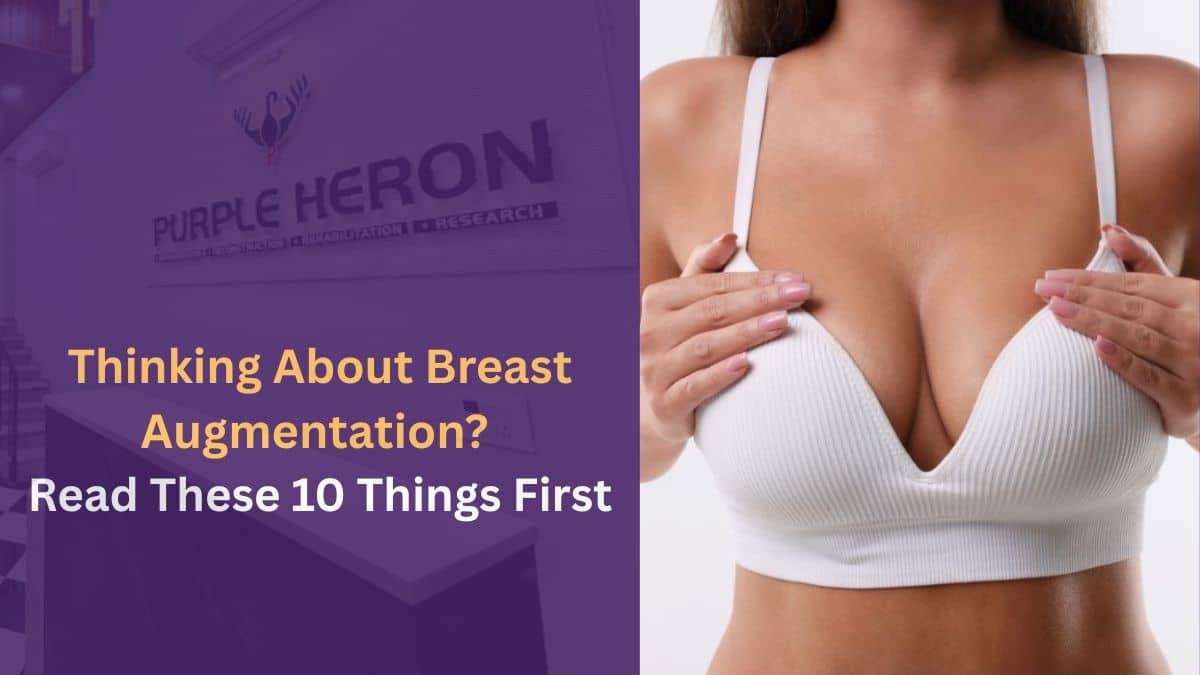
Thinking About Breast Augmentation? Read These 10 Things First

Breast augmentation is one of the most popular cosmetic surgery procedures worldwide. Whether you want to enhance breast size, restore lost volume after pregnancy, improve symmetry, or boost self-confidence, breast augmentation can help you achieve your aesthetic goals.

However, before undergoing breast augmentation surgery, it is important to understand the procedure, recovery process, implant choices, risks, costs, and expected results. Making an informed decision can help you feel more confident and prepared throughout your cosmetic surgery journey.

In this guide, we cover 10 essential things you should know before getting breast augmentation.

1. Understand What Breast Augmentation Really Is

Breast augmentation is a cosmetic surgery procedure designed to enhance the size, shape, and fullness of the breasts using implants or fat transfer techniques.

The most common options include:

  • Silicone breast implants
  • Saline breast implants
  • Fat transfer breast augmentation

Many women choose breast augmentation for:

  • Naturally small breasts
  • Breast asymmetry
  • Volume loss after pregnancy or weight loss
  • Reconstruction after mastectomy
  • Improved body proportions

Before moving forward, make sure your expectations are realistic and aligned with what the procedure can achieve.

2. Choosing the Right Surgeon Is Extremely Important

Your results largely depend on the experience and expertise of your cosmetic surgeon.

When selecting a breast augmentation surgeon, look for:

  • Board certification
  • Experience in cosmetic breast surgery
  • Before-and-after patient results
  • Positive patient reviews
  • Accreditation of the surgical facility

A qualified cosmetic surgery specialist will help you choose the right implant size, shape, and surgical approach based on your body type and goals.

Never choose a surgeon based only on low pricing.

3. There Are Different Types of Breast Implants

Not all breast implants are the same. Understanding the differences can help you make the right choice.

Silicone Implants

Silicone implants are filled with silicone gel and are known for their natural feel and appearance.

Saline Implants

Saline implants contain sterile saltwater. They are usually inserted empty and filled during surgery.

Round vs. Teardrop Implants

  • Round implants provide more upper fullness.
  • Teardrop implants create a more natural breast contour.

Your cosmetic surgeon will recommend the best option depending on your anatomy and desired look.

4. Implant Size Matters More Than You Think

Many patients initially focus only on cup size, but breast implant sizing involves much more.

Factors that affect the ideal implant size include:

  • Chest width
  • Existing breast tissue
  • Skin elasticity
  • Lifestyle and activity level
  • Desired appearance

Choosing implants that are too large can lead to discomfort, unnatural results, or long-term complications.

A personalized consultation and implant trial process can help determine the most suitable size for your body.

5. Breast Augmentation Recovery Takes Time

Although breast augmentation surgery is relatively common, recovery still requires patience and proper care.

During Recovery You May Experience:

  • Swelling
  • Tightness
  • Mild discomfort
  • Temporary soreness
  • Limited upper-body movement

Recovery Timeline

  • Most patients return to light activities within a few days.
  • Normal work can often resume within 1 week.
  • Exercise and heavy lifting may need to wait 4–6 weeks.

Following post-operative instructions carefully can improve healing and help achieve better cosmetic surgery results.

6. Scars Are Part of the Procedure

Breast augmentation surgery involves incisions, which means some scarring is unavoidable.

Common incision locations include:

  • Under the breast fold
  • Around the areola
  • In the armpit

An experienced cosmetic surgeon typically places incisions strategically to minimize visible scarring.

Over time, most scars fade significantly with proper scar care and healing.

7. Breast Implants May Not Last Forever

A common misconception is that breast implants are lifetime devices.

In reality, implants may eventually require:

  • Replacement
  • Removal
  • Revision surgery

Some implants last 10–20 years or longer, but factors like aging, pregnancy, weight changes, or implant complications can affect longevity.

Routine follow-ups with your cosmetic surgery specialist are important for monitoring implant health.

8. There Are Risks and Possible Complications

Like any cosmetic surgery procedure, breast augmentation carries certain risks.

Possible complications may include:

  • Infection
  • Capsular contracture
  • Implant rupture
  • Changes in nipple sensation
  • Implant shifting
  • Asymmetry

Choosing an experienced breast augmentation surgeon and following aftercare instructions can significantly reduce these risks.

Always discuss potential complications openly during your consultation.

9. Breast Augmentation Can Improve Confidence — But It’s a Personal Decision

Many women report improved body image and self-confidence after breast augmentation surgery. However, cosmetic surgery should always be a personal choice rather than something influenced by social pressure or unrealistic beauty standards.

The goal should be enhancement, not perfection.

A successful breast augmentation procedure should help you feel more comfortable and confident in your own body.

10. Cost Should Never Be the Only Deciding Factor

The cost of breast augmentation varies depending on:

  • Surgeon expertise
  • Implant type
  • Hospital facilities
  • Geographic location
  • Anesthesia fees

While affordable options may seem attractive, prioritizing safety and surgical quality is essential.

Low-cost cosmetic surgery procedures may compromise:

  • Implant quality
  • Sterility standards
  • Surgical expertise
  • Post-operative care

Always focus on value, safety, and long-term satisfaction rather than price alone.

Final Thoughts

Breast augmentation is a major cosmetic surgery decision that requires careful planning, research, and realistic expectations. Understanding implant options, recovery, risks, and long-term maintenance can help you make a confident and informed choice.

The key to successful breast augmentation results lies in:

  • Choosing an experienced cosmetic surgeon
  • Having realistic goals
  • Following proper aftercare
  • Prioritizing safety over cost

If you are considering breast augmentation surgery, schedule a detailed consultation with a qualified cosmetic surgery specialist to discuss the best treatment plan for your body and aesthetic goals.

FAQs About Breast Augmentation

Is breast augmentation painful?

Most patients experience mild to moderate discomfort after surgery, which is manageable with medication and proper rest.

How long does breast augmentation surgery take?

The procedure typically takes 1–2 hours, depending on the surgical technique used.

Can I breastfeed after breast augmentation?

Many women can still breastfeed after breast augmentation surgery, although it depends on the incision type and surgical approach.

When will I see the final breast augmentation results?

Initial swelling usually subsides within a few weeks, but final results may take several months to fully settle.

Is breast augmentation safe?

Breast augmentation is generally considered safe when performed by a qualified and experienced cosmetic surgery specialist.

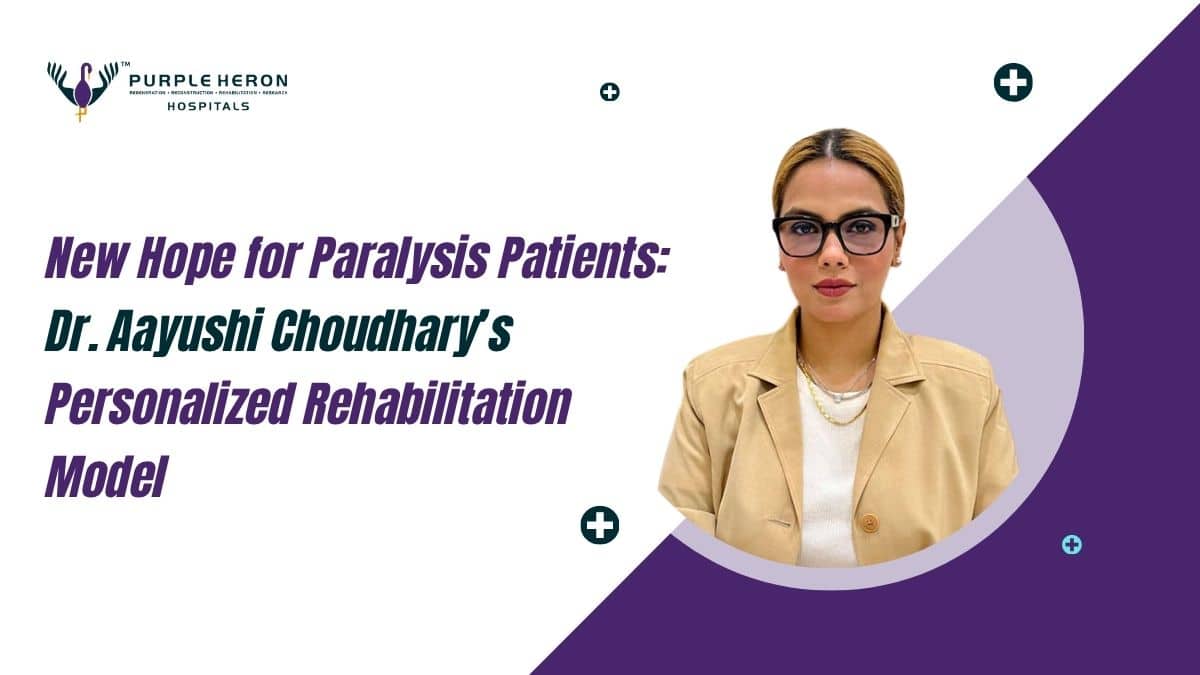
New Hope for Paralysis Patients: Dr. Aayushi Choudhary’s Personalized Rehabilitation Model

Paralysis is often perceived as a life-altering condition with limited recovery possibilities. For many patients and families, it brings uncertainty, dependency, and emotional distress. However, with advancements in paralysis treatment and rehabilitation sciences, recovery is no longer just a distant hope—it is an achievable goal when approached with the right expertise and structured care.

At the forefront of this transformation is Dr. Aayushi Choudhary, a leading Pain Musculoskeletal Medicine & Rehabilitation Specialist, who is redefining how paralysis recovery is approached in India through a personalized, patient-centric rehabilitation model.

Understanding Paralysis: Beyond the Condition

Paralysis refers to the loss of muscle function in part of the body, often caused by neurological damage such as:

  • Stroke
  • Spinal cord injury
  • Traumatic brain injury
  • Nerve disorders

Depending on severity, it can manifest as hemiplegia (one side of the body), paraplegia (lower body), or quadriplegia (full-body involvement).

Traditionally, treatment has focused on immediate stabilization and survival. However, modern medicine emphasizes functional recovery, independence, and quality of life—an area where neuro rehabilitation plays a critical role.

The Shift Toward Rehabilitation-Based Recovery

In recent years, India has seen a growing awareness of structured rehabilitation. The concept of rehabilitation as the “fourth pillar of medical science” is gaining recognition, particularly in managing long-term disabilities like paralysis. This shift reflects a deeper understanding: recovery from paralysis is not a one-time treatment but a continuous, process-driven journey.Introducing Dr. Aayushi Choudhary: A Visionary in Rehabilitation Medicine

Dr. Aayushi Choudhary, Director & Founder, is an MD in Physical Medicine and Rehabilitation (MDPMR) with over a decade of experience in medicine. She is a specialist in Pain, Musculoskeletal Medicine, and Rehabilitation.

Her credentials include:

  • MBBS, MDPMR (Pain, Musculoskeletal Medicine & Rehabilitation Specialist)
  • Inventor & Certified Researcher
  • Recipient of the President’s Award 2022 (Lisbon, Portugal)

However, beyond qualifications, what truly distinguishes Dr. Aayushi is her forward-thinking approach to healthcare.

She strongly advocates that rehabilitation should not be an afterthought but an integrated, central component of treatment, focusing not just on survival but on helping patients achieve their highest functional potential.

The Problem with the Traditional Medical Approach

One of the biggest challenges in paralysis treatment in India is the fragmented healthcare system.

Patients often move between multiple departments:

This lack of integration leads to:

  • Delayed recovery
  • Inconsistent treatment plans
  • Suboptimal outcomes

Dr. Aayushi highlights that this “referral-based system” creates gaps in care, preventing patients from receiving holistic and continuous rehabilitation.

The Personalized Rehabilitation Model: A Game Changer

Dr. Aayushi Choudhary’s approach is built on a structured, protocol-driven rehabilitation model that addresses the root cause of disability while focusing on long-term functional recovery.

1. Comprehensive Patient Assessment

Every patient undergoes a detailed evaluation that includes:

  • Medical history
  • Neurological assessment
  • Functional limitations
  • Lifestyle factors

This ensures that treatment is tailored, not generalized.

2. Customized Treatment Planning

Unlike conventional approaches, Dr. Aayushi Choudhary designs individualized rehabilitation plans based on:

  • Type and severity of paralysis
  • Patient’s age and health condition
  • Recovery goals

This personalized strategy significantly improves outcomes and recovery speed.

3. Multidisciplinary Rehabilitation Approach

Her model integrates multiple therapies, including:

  • Physiotherapy
  • Occupational therapy
  • Pain management
  • Neuro-rehabilitation techniques

This ensures a comprehensive recovery pathway rather than isolated treatment methods.

4. Focus on Root Cause Treatment

Instead of addressing symptoms alone, the treatment targets:

  • Neurological recovery
  • Muscle reactivation
  • Functional independence

This approach enhances the long-term sustainability of results.

5. Continuous Monitoring & Feedback

Recovery from paralysis is dynamic. Dr. Aayushi incorporates:

  • Regular progress tracking
  • Feedback-based adjustments
  • Long-term rehabilitation planning

This ensures that patients remain on the optimal recovery trajectory.

Purple Heron Hospital: A New Era in Rehabilitation Healthcare

To bring her vision to life, Dr. Aayushi Choudhary co-founded Purple Heron Hospital along with Dr. Nitesh Lamoria.

This institution represents a first-of-its-kind integrated rehabilitation model in India, offering:

  • Structured treatment protocols
  • Holistic patient care
  • Lifestyle-integrated recovery plans

At Purple Heron Hospital, the focus is not just on treating disability but on enabling individuals to thrive beyond limitations.

Why Patients Are Choosing This Approach

  • Holistic Care: Treatment is aligned with the patient’s physical, emotional, and lifestyle needs.
  • Structured Protocols: A systematic approach ensures consistency and measurable outcomes.
  • Patient-Centric Philosophy: Every decision revolves around improving the patient’s quality of life.
  • Focus on Independence: The ultimate goal is to help patients regain mobility, confidence, and autonomy.

The Importance of Early Rehabilitation

One of the most critical factors in paralysis recovery is timely intervention.

Starting rehabilitation early can:

  • Prevent muscle atrophy
  • Improve neural recovery
  • Enhance mobility outcomes

Dr. Aayushi emphasizes that “the best time to start rehabilitation is always NOW.”

This proactive approach significantly increases the chances of functional recovery.

Redefining Recovery: From Survival to Thriving

The traditional goal of treatment was to help patients “manage” their condition. However, Dr. Aayushi’s philosophy goes beyond that.

Her approach aims to:

  • Restore functional independence
  • Improve overall quality of life
  • Help patients reintegrate into society

This shift from survival to optimal functionality is what makes her model truly transformative.

Who Can Benefit from This Model?

The personalized rehabilitation approach is suitable for:

  • Stroke patients
  • Spinal cord injury cases
  • Post-surgical recovery patients
  • Individuals with neurological disorders
  • Elderly patients with mobility challenges

It is designed for people across all age groups—from infants to senior citizens—making it a comprehensive solution for rehabilitation care.

The Future of Paralysis Treatment in India

India is at a crucial stage in the evolution of rehabilitation medicine. With increasing awareness and advancements, the focus is shifting toward:

  • Integrated healthcare systems
  • Evidence-based rehabilitation protocols
  • Patient-centric treatment models

Experts like Dr. Aayushi Choudhary are leading this transformation, setting new benchmarks in paralysis treatment and recovery.

Final Thoughts: A New Beginning for Patients

Paralysis is no longer the end of independence—it is the beginning of a structured recovery journey.

With the right guidance, advanced rehabilitation, and a personalized approach, patients can regain mobility, confidence, and control over their lives.

If you are searching for the best paralysis treatment in India, consult a paralysis specialist who prioritizes holistic, patient-focused recovery can make all the difference.

Is Rhinoplasty Right for You? Easy Answers to Common Questions

Rhinoplasty, commonly known as a “nose job,” is one of the most popular cosmetic and reconstructive procedures today. Whether you’re considering it for aesthetic reasons or to improve breathing, it’s natural to have questions. This guide will help you understand rhinoplasty in a simple, clear way so you can decide if it’s the right choice for you.

What is Rhinoplasty?

Rhinoplasty is a surgical procedure that reshapes or reconstructs the nose. It can:

  • Improve the appearance of your nose
  • Correct structural issues
  • Fix breathing problems
  • Restore shape after injury or birth defects

People often look for the best cosmetic surgery hospital in India or the best reconstructive surgery hospital in India to ensure safe and effective results.

Why Do People Choose Rhinoplasty?

There are two main reasons people consider rhinoplasty:

1. Cosmetic Reasons

  • Reduce or increase nose size
  • Reshape the tip or bridge
  • Correct asymmetry
  • Improve overall facial balance

2. Medical Reasons

  • Fix a deviated septum
  • Improve breathing difficulties
  • Repair damage from accidents
  • Correct congenital defects

Many patients choose the best plastic surgery hospital in India to achieve both functional and aesthetic improvements in one procedure.

Am I a Good Candidate for Rhinoplasty?

You may be a good candidate if:

  • You are physically healthy
  • Your facial growth is complete (usually 18+)
  • You have realistic expectations
  • You are unhappy with your nose shape or function

Rhinoplasty is not about perfection—it’s about improvement and harmony with your facial features.

What Results Can I Expect?

Rhinoplasty can create subtle yet impactful changes. The goal is to enhance your natural look, not drastically change your identity.

You can expect:

  • Improved facial symmetry
  • Better breathing (if medically required)
  • Boost in self-confidence

Choosing the best rhinoplasty center in India plays a crucial role in achieving natural-looking results.

Is Rhinoplasty Painful?

Most patients are surprised to learn that rhinoplasty is not very painful. You may experience:

  • Mild discomfort
  • Swelling and bruising around the eyes
  • Nasal congestion for a few days

Pain is usually manageable with prescribed medication, and most discomfort subsides within a week.

How Long is the Recovery Time?

Recovery varies from person to person, but generally:

  • 1 week: Splint removal, visible swelling reduces
  • 2–3 weeks: Most bruising disappears
  • 1–3 months: Noticeable improvement in shape
  • 6–12 months: Final results fully visible

Following your surgeon’s instructions is key for a smooth recovery.

Are There Any Risks?

Like any surgery, rhinoplasty carries some risks, though they are rare when performed by experienced surgeons:

  • Infection
  • Bleeding
  • Breathing issues
  • Unsatisfactory results

That’s why it’s important to choose the best cosmetic surgery hospital in India with skilled professionals and modern facilities.

How Do I Choose the Right Hospital or Surgeon?

Selecting the right place is one of the most important decisions. Look for:

  • Board-certified plastic surgeons
  • Proven experience in rhinoplasty procedures
  • Before-and-after patient results
  • Advanced medical infrastructure
  • Positive patient reviews

Many patients trust the Best Reconstructive Surgery Hospital in India for complex cases and reliable outcomes.

Will My Nose Look Natural?

Yes—when done correctly, rhinoplasty enhances your natural features. A good surgeon focuses on:

  • Facial balance
  • Proportion
  • Subtle refinement

The aim is for people to notice that you look better—not that you had surgery.

How Much Does Rhinoplasty Cost in India?

The cost depends on several factors:

  • Surgeon’s experience
  • Complexity of the procedure
  • Hospital facilities
  • City and location

India is known for offering high-quality treatment at affordable costs, which is why many people search for the Best Rhinoplasty Center in India for value and expertise.

Final Thoughts: Is Rhinoplasty Right for You?

Rhinoplasty can be life-changing—but it’s a personal decision. If you feel self-conscious about your nose or have breathing issues, it may be worth considering.

Before making a decision:

  • Do thorough research
  • Consult a qualified surgeon
  • Understand both benefits and limitations

Choosing the best plastic surgery hospital in India ensures you receive expert care, safe procedures, and satisfying results.

How Pain Management Improves Quality of Life

Pain is more than just a physical sensation—it affects how we move, think, sleep, and even how we connect with others. Whether it’s short-term discomfort or long-term chronic pain, effective pain management plays a crucial role in restoring balance and improving overall quality of life.

In this blog, we’ll explore how proper pain management strategies can transform daily living and why seeking expert care—such as consulting or visiting the best pain management hospital in India—can make a lasting difference.

Understanding Pain and Its Impact

Pain is typically categorized into two main types:

  • Acute Pain: Short-term pain caused by injury, surgery, or illness
  • Chronic Pain: Long-lasting pain that persists for weeks, months, or even years

If left untreated, chronic pain can lead to:

  • Reduced mobility
  • Sleep disturbances
  • Anxiety and depression
  • Decreased productivity
  • Poor overall health

This is where pain management becomes essential.

What is Pain Management?

Pain management is a multidisciplinary approach that focuses on reducing pain and improving function. It combines medical treatments, physical therapies, psychological support, and lifestyle changes.

Common pain management techniques include:

  • Medications
  • Physical therapy
  • Interventional procedures (like injections)
  • Exercise and rehabilitation
  • Mind-body techniques (meditation, relaxation)

Seeking care from the Best Pain Management Hospital in India ensures access to advanced treatments and experienced specialists who can tailor therapies to individual needs.

Key Ways Pain Management Improves Quality of Life

1. Restores Physical Function

Effective pain management helps individuals regain mobility and strength. With reduced pain, everyday tasks like walking, working, or exercising become easier and more enjoyable.

Consulting the best musculoskeletal specialist in Jaipur can provide targeted treatments for joint, muscle, and spine-related issues.

2. Enhances Mental Well-being

Chronic pain often leads to stress, anxiety, and depression. Proper pain control reduces emotional strain and improves mood, helping individuals feel more in control of their lives.

3. Improves Sleep Quality

Pain can significantly disrupt sleep patterns. By managing pain effectively, patients can enjoy deeper, more restful sleep—leading to better energy levels and overall health.

4. Boosts Productivity and Daily Performance

When pain is reduced, focus and efficiency improve. Whether at work or home, individuals can perform tasks more effectively without constant discomfort.

5. Encourages Active Lifestyle

Pain often discourages movement, leading to a sedentary lifestyle. Pain management enables people to stay active, which is essential for maintaining long-term health.

6. Reduces Dependency on Medications

Advanced pain management techniques focus on long-term solutions rather than just temporary relief. This reduces reliance on painkillers and minimizes side effects.

Importance of Expert Care

Choosing the right specialist and healthcare facility is critical for effective pain management. The Best Pain Management Hospital in India offers:

  • Advanced diagnostic tools
  • Minimally invasive procedures
  • Personalized treatment plans
  • Multidisciplinary care teams

Similarly, consulting the Best Musculoskeletal Specialist in Jaipur ensures accurate diagnosis and targeted treatment for musculoskeletal conditions.

Lifestyle Tips to Support Pain Management

In addition to medical care, adopting healthy habits can enhance pain relief:

  • Maintain a balanced diet
  • Practice regular exercise or yoga
  • Manage stress through mindfulness
  • Follow proper posture and ergonomics
  • Get adequate sleep

Conclusion

Pain doesn’t have to control your life. With the right pain management strategies, it’s possible to regain comfort, mobility, and emotional well-being. From improving physical function to enhancing mental health, effective pain management significantly elevates quality of life.

If you or a loved one is struggling with persistent pain, consider consulting the Best Musculoskeletal Specialist in Jaipur or visiting the best pain management hospital in India for expert guidance and advanced care.

Taking the first step toward pain relief can lead to a healthier, happier, and more active life.

Brachial Plexus Injury: Early Signs You Should Never Ignore

A Brachial Plexus Injury affects the network of nerves that control movement and sensation in your shoulder, arm, and hand. While severe injuries are easier to recognize, the early signs of brachial plexus injury are often subtle and easily ignored. These early symptoms can gradually worsen if left untreated, leading to long-term complications.

Understanding and identifying these warning signs at an early stage is critical. In this article, we will focus only on the early signs of brachial plexus injury so you can take timely action and protect your nerve health.

Why Early Signs Matter

The nerves in the brachial plexus are delicate and highly sensitive. Even mild stretching or compression can disrupt normal function. Early symptoms may seem minor, but they are often the body’s way of signaling nerve damage.

Ignoring these early warning signs can result in:

  • Progressive weakness
  • Chronic pain
  • Reduced mobility
  • Permanent nerve damage

Recognizing these signs early gives you the best chance of recovery.

1. Weakness in the Arm or Hand

One of the most common early signs of brachial plexus injury is weakness in the affected arm or hand.

What You May Notice:

  • Difficulty lifting objects
  • Reduced grip strength
  • Trouble holding everyday items like a phone or cup
  • Fatigue in the arm after minimal activity

This weakness may not appear suddenly. Instead, it often develops gradually and becomes more noticeable over time. You may initially ignore it, thinking it’s due to overuse or muscle strain.

Why It Happens:

When the nerves responsible for muscle control are affected, they cannot send proper signals to the muscles. This results in reduced strength and control.

2. Burning or Sharp Pain

Pain is often one of the earliest and most noticeable brachial plexus symptoms.

Characteristics of Pain:

  • Burning sensation
  • Sharp or stabbing pain
  • Electric shock-like feeling
  • Pain radiating from the shoulder down the arm

This type of pain is different from regular muscle soreness. It may come suddenly and feel intense, especially after an injury or sudden movement.

What Makes It Unique:

Unlike muscle pain, nerve pain tends to follow a specific path along the arm. It may worsen with certain movements or even occur at rest.

3. Numbness or Tingling Sensation

Another early sign of brachial plexus injury is a tingling or numb feeling in the arm or hand.

Common Experiences:

  • “Pins and needles” sensation
  • Partial or complete numbness in fingers
  • Reduced sensitivity to touch, heat, or cold

You might feel like your hand has “fallen asleep,” but the sensation doesn’t go away quickly.

Why This Happens:

The brachial plexus nerves carry sensory signals from the arm to the brain. When these nerves are affected, the signals are disrupted, leading to abnormal sensations.

4. Loss of Coordination

Loss of coordination is a subtle but important early symptom of a nerve injury in shoulder.

Signs to Watch:

  • Difficulty performing precise movements
  • Trouble buttoning a shirt or typing
  • Clumsiness in hand movements
  • Dropping objects frequently

This can be frustrating, especially when performing routine tasks that were previously easy.

Underlying Cause:

Coordination depends on smooth communication between nerves and muscles. When nerve signals are disrupted, movements become less controlled and accurate.

5. Difficulty Moving the Arm

Restricted movement is another key early warning sign.

What You May Experience:

  • Stiffness in the shoulder
  • Difficulty raising your arm
  • Limited range of motion
  • Feeling like your arm is “heavy”

In some cases, movement may be possible but painful or uncomfortable.

Why It Occurs:

When nerves are injured, muscles do not receive proper instructions. This leads to reduced mobility and stiffness.

6. Drooping Shoulder

A drooping or sagging shoulder is a visible sign that should never be ignored.

How It Appears:

  • One shoulder looks lower than the other
  • Difficulty maintaining normal posture
  • Weakness when trying to lift the shoulder

This symptom often indicates muscle weakness caused by nerve damage.

What It Indicates:

The nerves controlling shoulder muscles are not functioning properly, leading to poor muscle support and alignment.

7. Muscle Shrinking (Early Muscle Atrophy)

Although muscle wasting is usually seen in later stages, mild muscle shrinkage can begin early in some cases.

Early Indicators:

  • Slight reduction in muscle size
  • Loss of muscle tone
  • Weak appearance of the arm

This change may be subtle at first but becomes more noticeable over time.

Why It Happens:

When muscles are not receiving proper nerve signals, they are not used effectively, leading to gradual shrinking.

8. Increased Sensitivity or Unusual Sensations

Some individuals may experience unusual sensory changes instead of numbness.

Possible Symptoms:

  • Heightened sensitivity to touch
  • Pain from light contact (like clothing brushing the skin)
  • Strange sensations such as crawling or itching

These symptoms may seem unusual but are common in nerve-related conditions.

Explanation:

Damaged nerves can send incorrect or exaggerated signals to the brain, causing abnormal sensations.

9. Weak Reflexes

Reflexes are automatic responses controlled by nerves. A decrease in reflex activity can be an early sign of a Brachial Plexus Injury.

What to Look For:

  • Slower reaction to stimuli
  • Reduced response when the arm is tapped or stimulated
  • Feeling of delayed movement

This symptom is usually identified during a medical examination but may also be noticed in daily activities.

10. Pain That Worsens with Movement

Another important early sign is pain that increases with certain movements.

Typical Patterns:

  • Pain when lifting the arm
  • Discomfort while turning the neck
  • Increased pain during physical activity

This type of pain often discourages movement, which can further worsen stiffness and weakness.

11. Feeling of Arm Instability

Some people describe a sensation that their arm is not stable or reliable.

Common Descriptions:

  • Arm feels loose or unsupported
  • Lack of confidence in using the arm
  • Fear of dropping objects

This feeling is often linked to reduced muscle control and nerve dysfunction.

12. Gradual Progression of Symptoms

One of the most important characteristics of the early signs of brachial plexus injury is that they often worsen gradually.

What This Means:

  • Symptoms start mild and become more noticeable over time
  • New symptoms may develop if untreated
  • Daily activities become increasingly difficult

Because the progression is slow, many people delay seeking help, which can lead to complications.

Final Thoughts

The early signs of brachial plexus injury are often subtle but should never be ignored. Symptoms like weakness, burning pain, numbness, and loss of coordination may seem minor at first, but they are important warning signals of nerve damage.

Recognizing these brachial plexus symptoms early can help prevent long-term complications and improve recovery outcomes. If you notice any of these changes—especially after an injury or strain—it’s important to take them seriously.

Being aware of your body and acting on early symptoms is the key to protecting your nerve health and maintaining full function of your arm and shoulder.